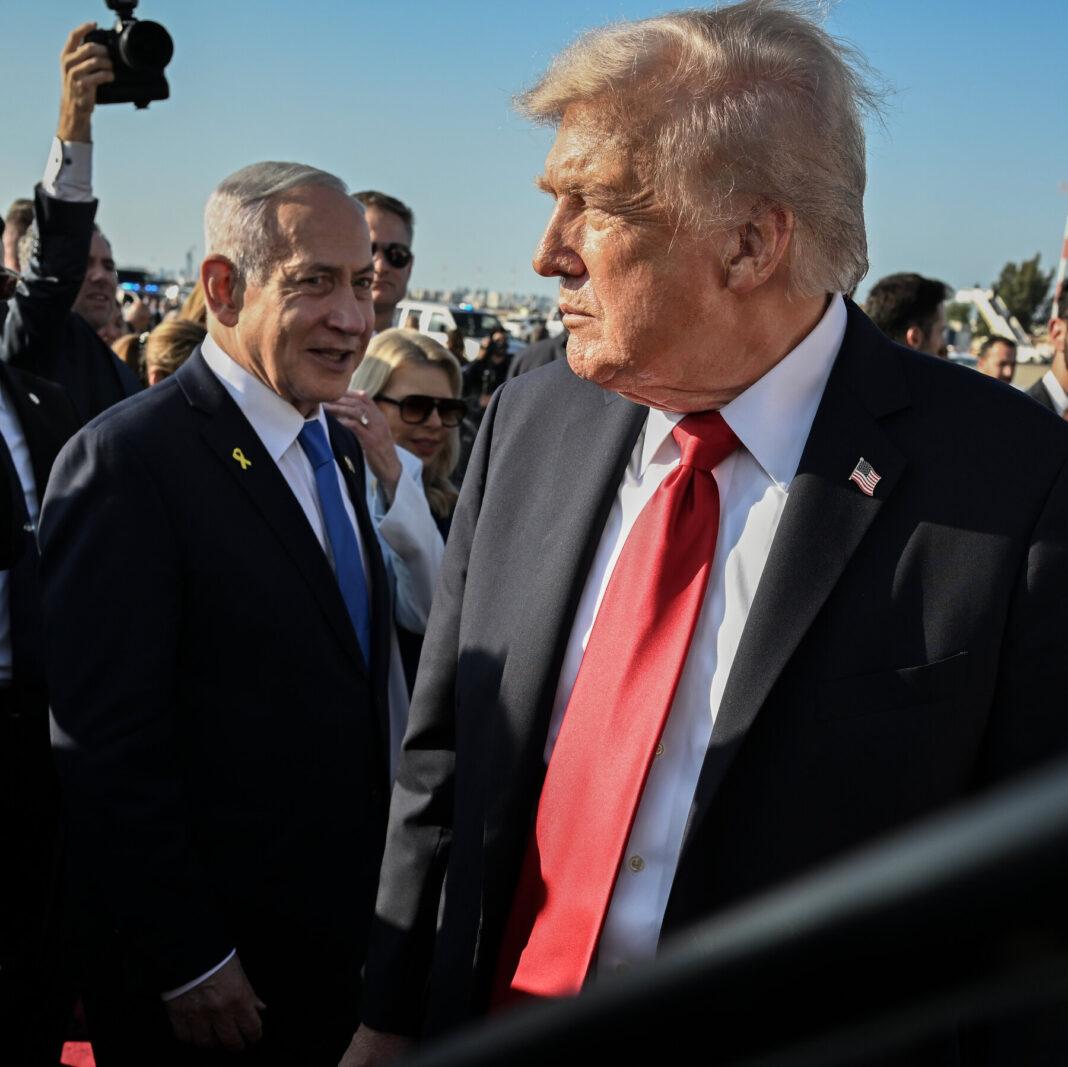
President Trump has requested a reduction in Israeli military operations in Lebanon. This move directly complicates ongoing efforts to broker a truce with Iran. The request was made to Israeli Prime Minister Benjamin Netanyahu.
It signals a potential shift in U.S. diplomatic strategy. The administration appears to be prioritizing de-escalation in one conflict zone. This could create a more stable environment for broader negotiations.
The timing is critical as indirect talks with Iran continue. Any regional flare-up threatens to derail fragile diplomatic progress. Curbing hostilities in Lebanon is seen as a necessary precondition.
Israel’s campaign has been a major point of regional tension. Its scale has drawn international concern and complicated U.S. foreign policy objectives. A pullback would represent a significant concession.
The directive places Netanyahu in a difficult domestic position. His government faces pressure to respond forcefully to security threats. Acceding to the U.S. request may provoke political backlash.
For the proposed Iran truce, a calmer regional landscape is essential. Reducing confrontations with Iranian proxies like Hezbollah is a key step. This aims to build minimal trust for wider agreements.
The success of this peace push now hinges on coordinated restraint. All parties must navigate a complex web of alliances and hostilities. The coming days will test the durability of this diplomatic maneuver.