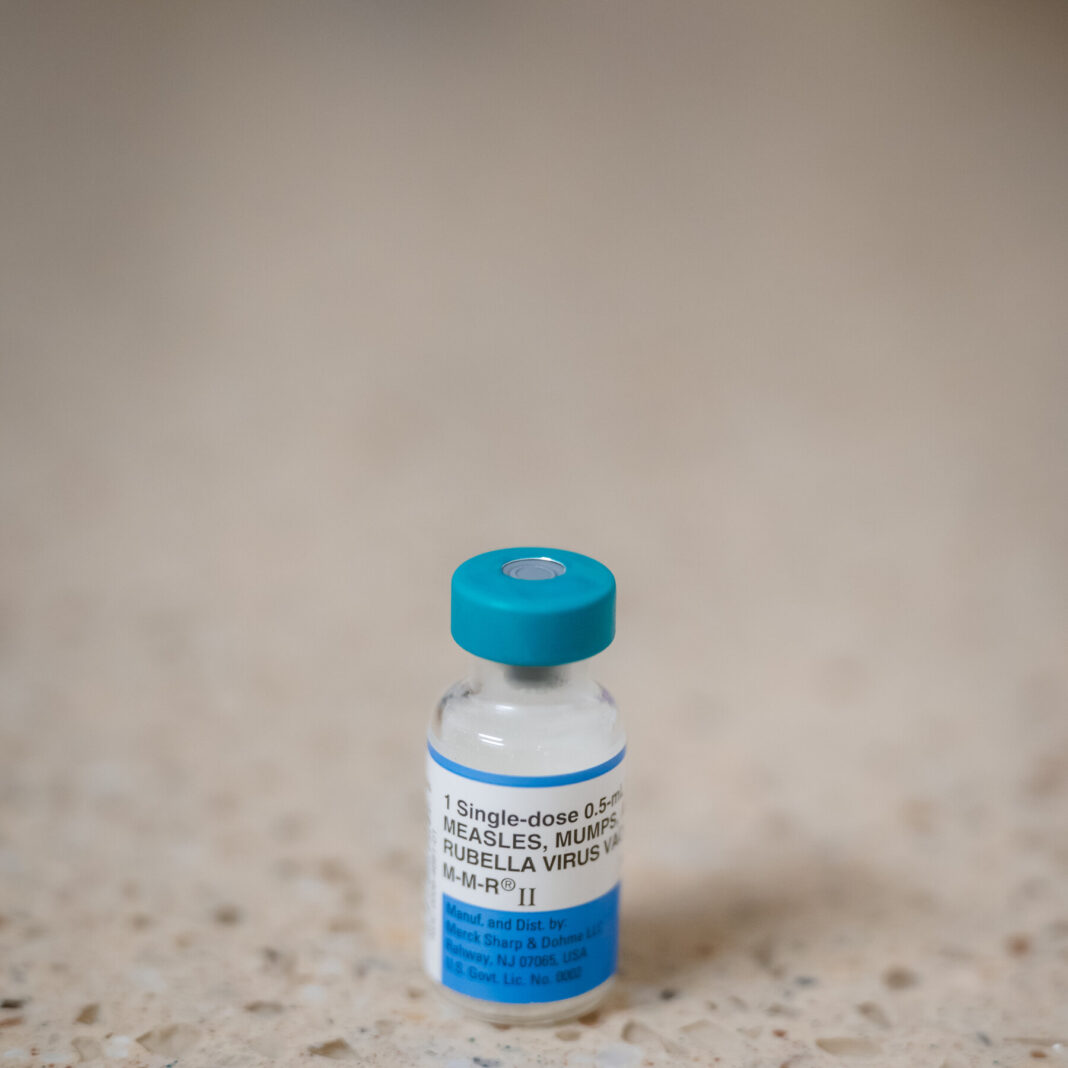
The Trump administration is proposing that measles, mumps, and rubella vaccines be administered as three separate injections during different visits, abandoning the standard combined M.M.R. shot. The proposal has drawn swift criticism from pediatricians and public health officials, who warn the change would complicate scheduling and reduce vaccination rates.
Doctors argue the combined vaccine is safe, effective, and proven over decades of use. Splitting the shots would require three appointments instead of one, creating logistical hurdles for families and increasing the risk that children miss a dose. The M.M.R. vaccine currently provides all three protections in a single visit, which experts say is essential for maintaining herd immunity.
Public health data shows that requiring multiple visits for vaccines often leads to lower completion rates. Patients may skip follow-up appointments due to cost, transportation, or forgetfulness, leaving them partially protected. The measles virus is highly contagious, and even small drops in vaccination coverage can trigger outbreaks in schools and communities.
The administration has not provided clinical evidence to support the split, which has raised concerns among medical professionals. The combined vaccine has been widely studied and is recommended by the Centers for Disease Control and Prevention and the American Academy of Pediatrics. No major health organization supports separating the components.
Supporters of the change claim individual shots may offer more flexibility or address concerns about combination vaccines, but those assertions lack rigorous scientific backing. Pediatricians emphasize that no data indicates separate injections improve immune response or reduce side effects. The proposed shift appears to be policy-driven rather than health-driven.
If implemented, the change would also increase healthcare costs, as each visit requires a separate administration fee and physician consultation. Parents would face repeated time off from work and additional discomfort for their children. The burden would fall hardest on low-income families, who already face barriers to routine care.
Health experts urge the administration to reconsider and follow the guidance of medical authorities. Maintaining the combined M.M.R. shot remains the most efficient and reliable strategy to protect the public against these three preventable diseases. Until evidence proves otherwise, doctors say the current approach should stay in place.