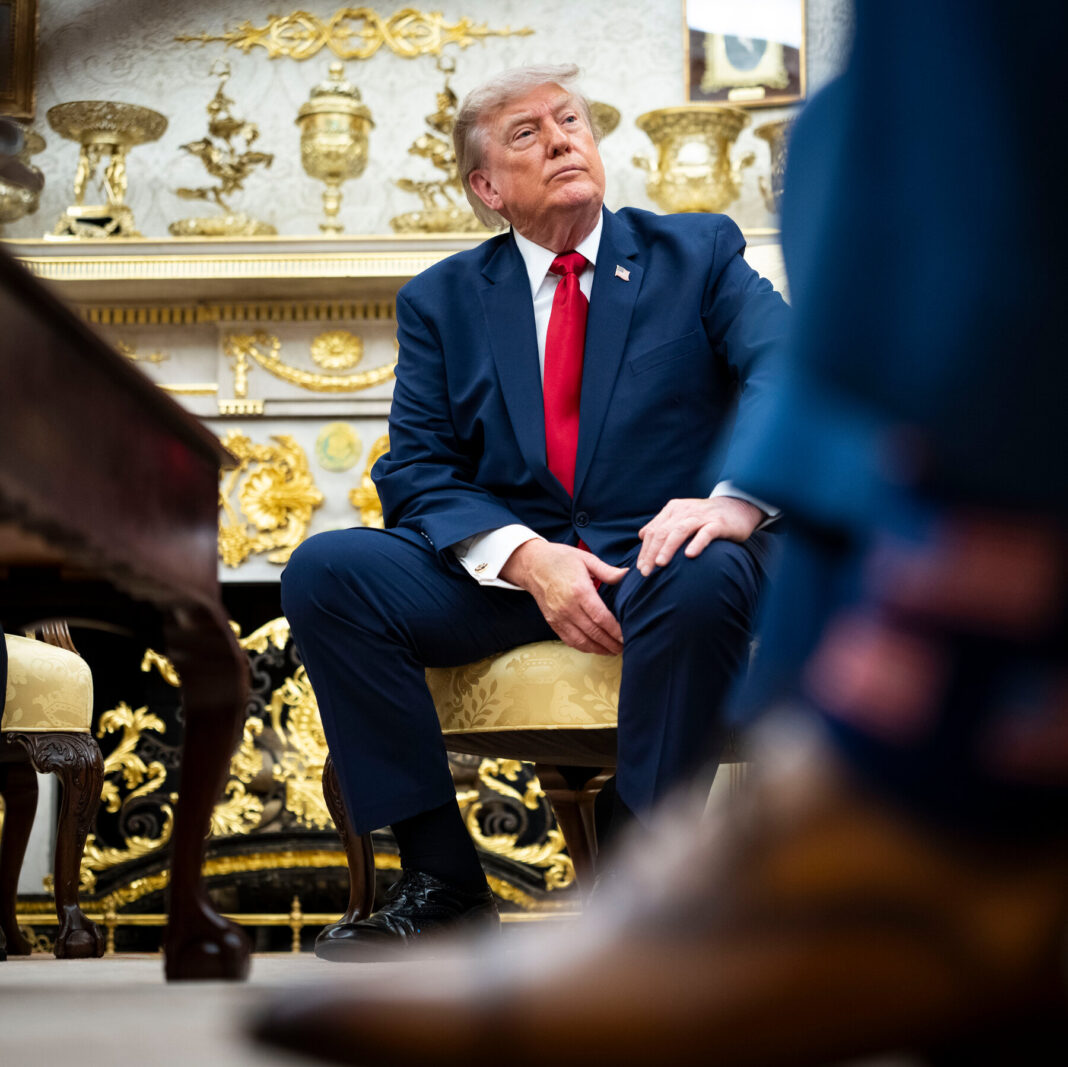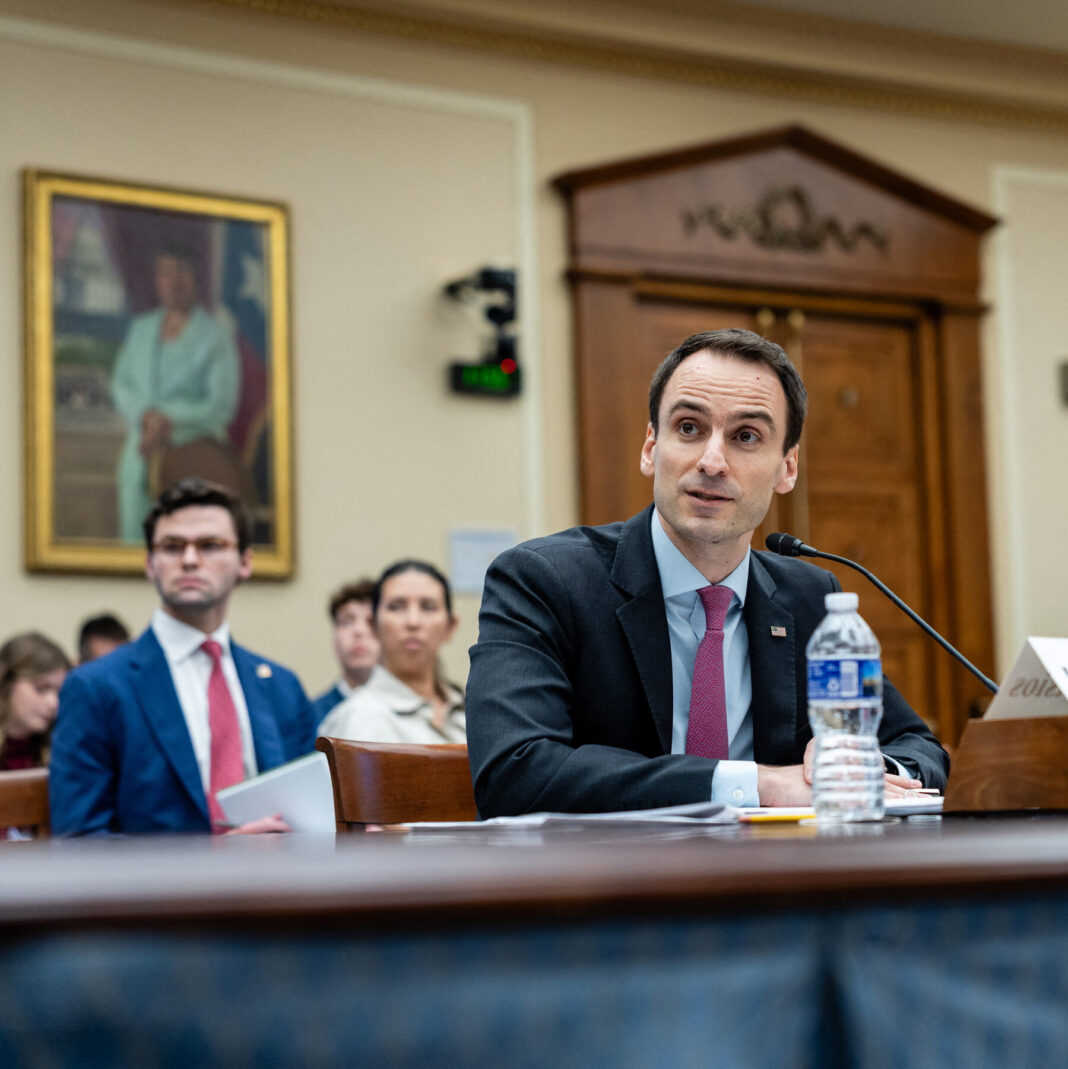
President Trump’s administration is proposing a major shift in federal research funding, with new investments in artificial intelligence and cuts to university-based science. The plan was outlined by Michael Kratsios, the president’s science adviser, who called for an overhaul of how the government allocates research dollars.
Kratsios argued that the current system is inefficient and fails to prioritize technologies critical to national security and economic competitiveness. Under the proposal, more funding would flow directly to private companies and government agencies focused on A.I. development.
The White House wants to redirect resources away from traditional university research programs. This includes potential reductions in grants for basic science, climate studies, and health research conducted at academic institutions.
Democrats in Congress have criticized the plan sharply. They argue the administration has systematically weakened scientific integrity and sidelined experts from federal advisory roles.
Critics contend that cutting university funding will harm long-term innovation and the training of future scientists. They also question the effectiveness of funneling more money into A.I. without broader academic input.
Supporters of the proposal say it will speed up the deployment of advanced technology and ensure the U.S. leads in cutting-edge fields like A.I. The administration has stressed the need to move beyond what it sees as bureaucratic university research.
The plan is part of a broader pattern during Trump’s tenure that has reshaped the relationship between science and government. The full impact of these changes remains uncertain as debates continue in Washington.