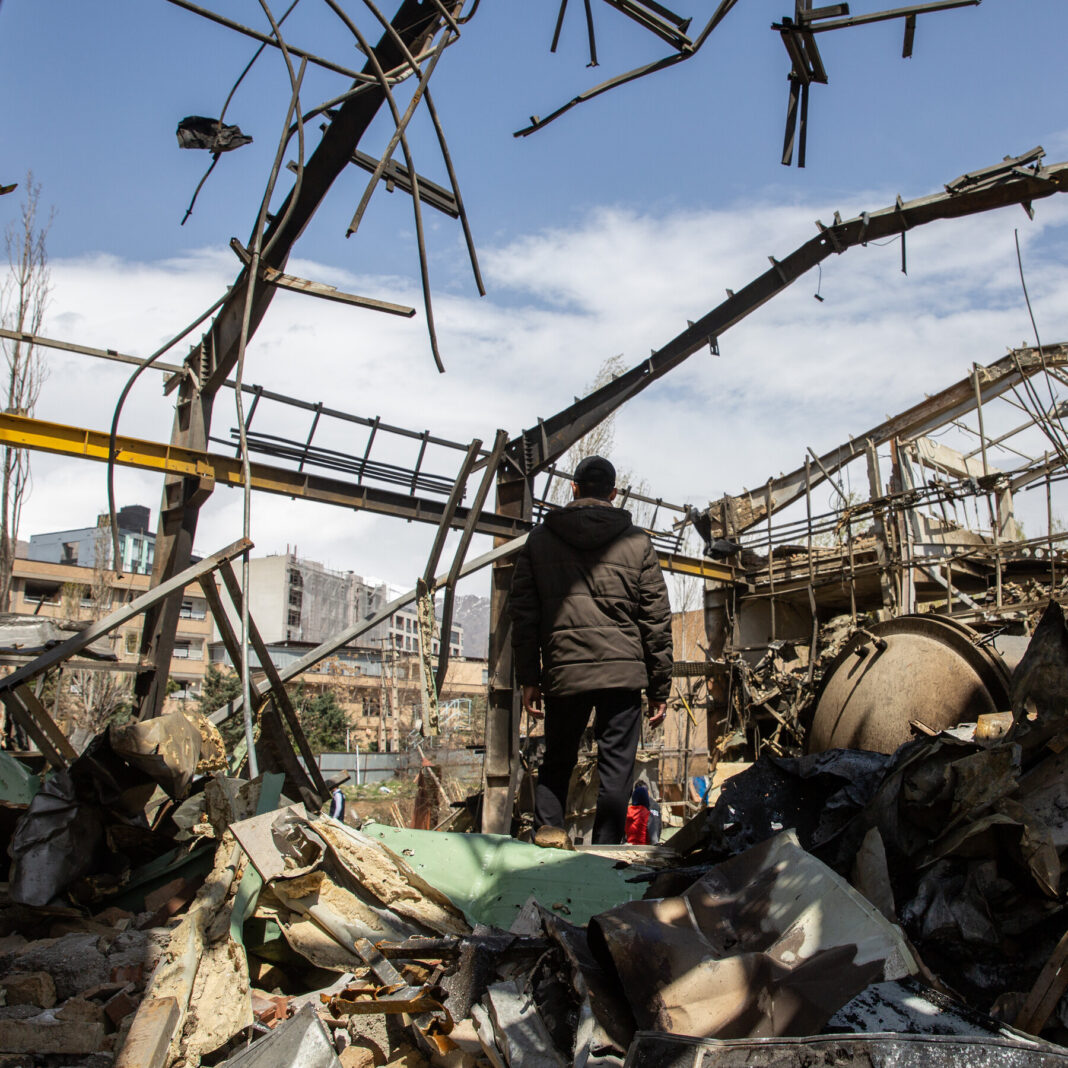
The U.S. military consumed a significant portion of its most advanced and expensive weaponry during its campaign against Iran, according to Pentagon assessments.
Commanders are now concerned about the Pentagon’s decision to shift long-range precision weapons from the Asia-Pacific region to the Middle East, congressional officials say.
The relocation of these munitions has left the U.S. position in the Asia-Pacific strategically weaker. Military planners are weighing the risks of a reduced deterrent presence there.
The costly weapons used included cruise missiles and smart bombs, which are critical for modern warfare. Their rapid depletion has raised alarms about future readiness.
The conflict drove a sharp spike in defense spending, straining an already tight Pentagon budget. Officials are now reviewing inventory levels to prevent similar shortfalls.
The shift of resources highlights a strategic dilemma for the Pentagon. It must balance commitments across two major global theaters simultaneously.
Lawmakers are pressing the Defense Department for a detailed accounting of the weapons used. They want assurances that stockpiles can be replenished quickly.
The situation underscores the high material cost of the intervention. Military experts warn that sustained operations without proper resupply could erode combat effectiveness.