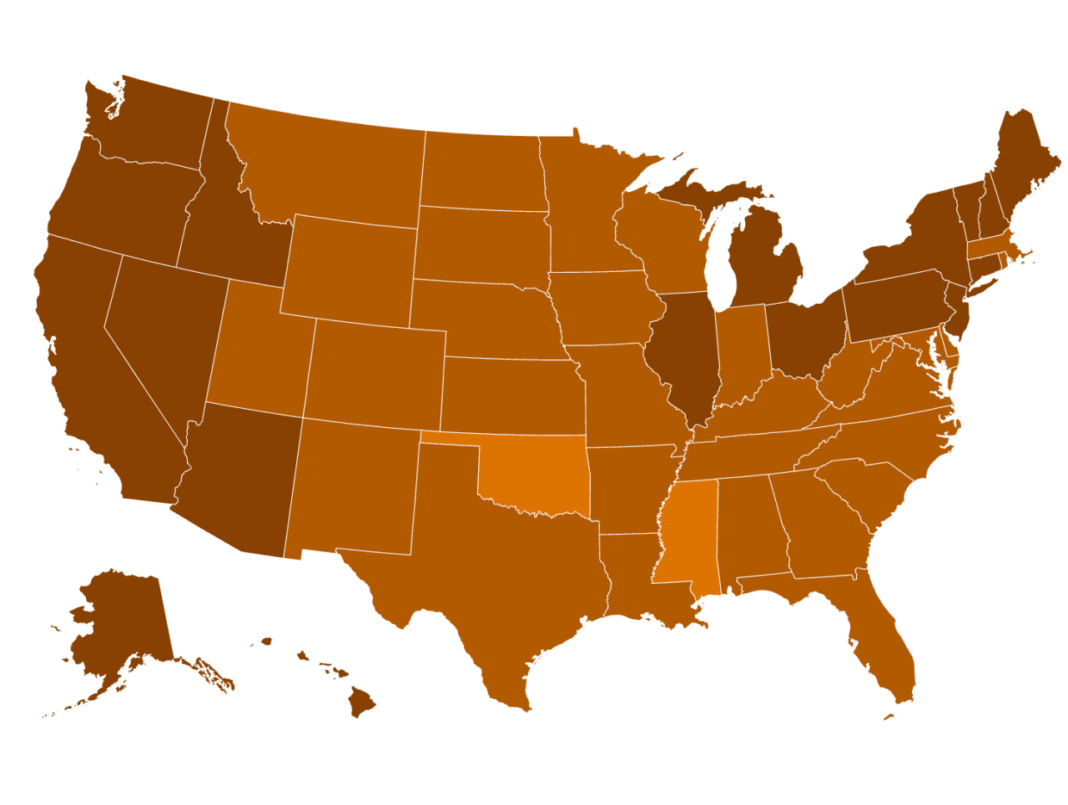
The national average price for a gallon of regular gas has climbed above $4.50, marking a sharp and rapid increase in fuel costs across the United States. This surge comes as global supply constraints and high demand continue to pressure the energy market.
Data shows the pace of this rise is unusually fast, with prices jumping significantly in just the past few weeks. The current average is a record high for this time of year, surpassing previous seasonal benchmarks.
A state-by-state breakdown reveals wide variation in how quickly prices are climbing. Some states have seen increases of more than 50 cents per gallon in a single month, while others have experienced slower but steady gains.
The West Coast currently has the highest prices, with California averaging over $5.70 per gallon. Conversely, states in the Gulf Coast region, such as Texas and Louisiana, report lower averages near $3.80, though they are still rising.
Several factors are driving this trend, including refinery outages and rising crude oil costs. The federal government has taken steps to boost supply, but analysts suggest prices may remain elevated in the near term.
For motorists, the financial strain is immediate, with households spending more on fuel for daily commutes and travel. The increase also impacts the broader economy by raising costs for goods transported by truck.
The price surge highlights the vulnerability of the U.S. energy market to geopolitical events and production decisions. Many experts predict volatility will continue as summer driving season approaches.
Monitoring state-level data offers a clearer picture of regional disparities in fuel costs. Drivers in the highest-priced states may need to budget significantly more for gasoline in the coming months.