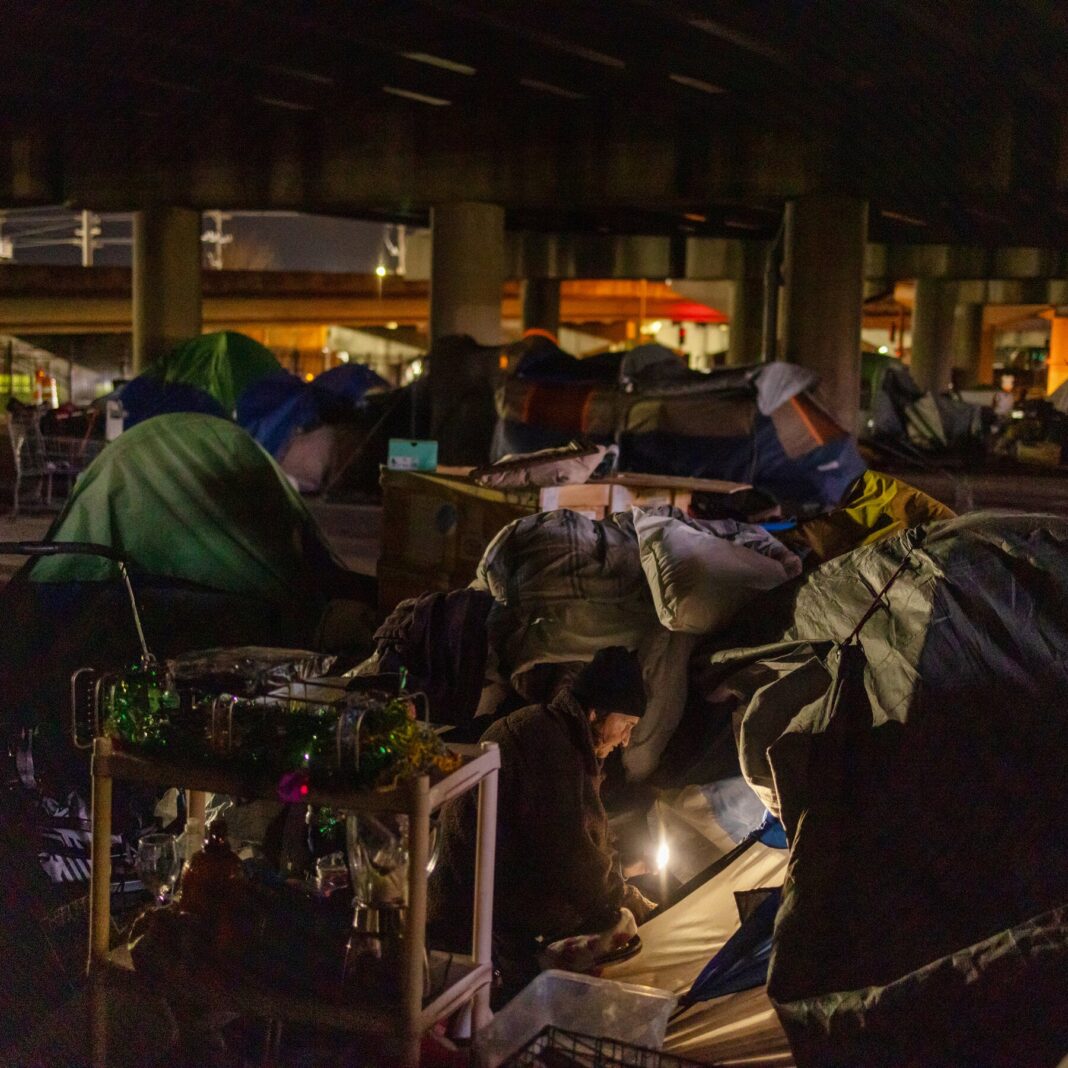
The U.S. homeless population fell sharply in 2025, according to new federal data. The Department of Housing and Urban Development reported the largest single-year decline on record. HUD attributed the drop to policies advanced by President Trump.
Homeless advocacy groups offered a different view of the numbers. Several organizations said the decline also reflects years of prior federal investment. They pointed to Housing First programs expanded under earlier administrations. Those programs prioritize placing people in permanent housing without preconditions.
The dispute centers on how credit is assigned for a complex trend. HUD framed the decline as validation of the current administration’s approach. Advocacy groups argued that durable progress depends on sustained funding. Both sides agree the overall count moved in a positive direction.
The reported drop marks a reversal from recent years. Homelessness had climbed in many communities amid rising rents and limited housing supply. Federal counts are conducted annually and vary by methodology. Local conditions can shift results from one year to the next.
Housing First remains central to the debate over federal strategy. The model combines rental assistance with voluntary support services. Studies have linked it to reduced chronic homelessness in some regions. Critics say it requires strong local implementation to succeed.
The 2025 figures arrive as cities face mounting pressure on shelter capacity. Many local governments report strained budgets and rising demand for services. Federal funding levels will shape how those programs expand or contract. Mayors have called for clearer guidance on future allocations.
Analysts caution against reading one year as a lasting trend. Housing markets, eviction rates, and migration patterns all influence the count. Data collection methods also differ across regions. A single decline does not settle questions about long-term policy.
HUD has not released a detailed breakdown of the 2025 results. Further state and local data are expected in the coming months. Advocacy groups plan to review the methodology behind the count. The findings will likely inform debate over housing policy in the next budget cycle.