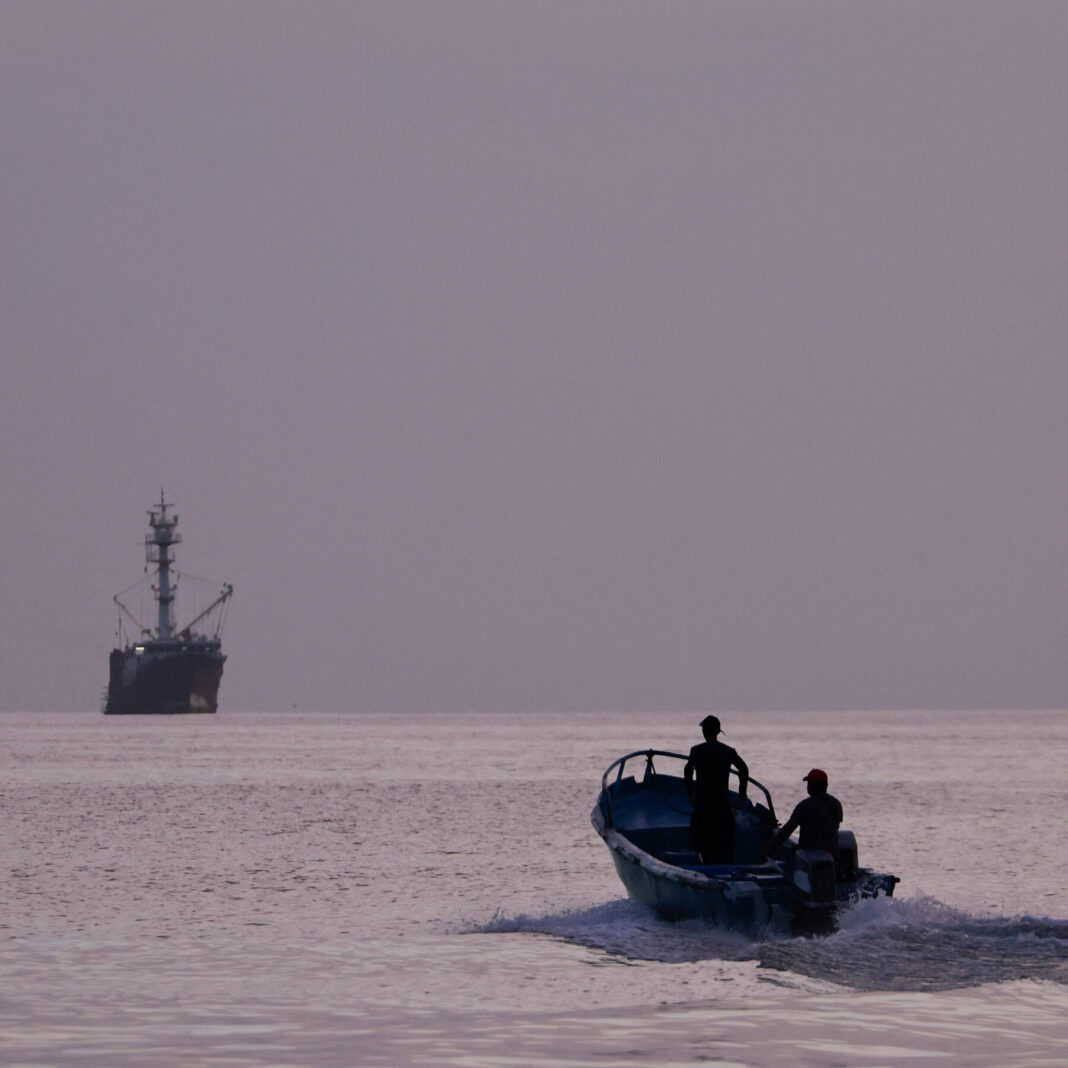
The U.S. military sank multiple vessels suspected of supporting drug smuggling operations off the coast of Ecuador, according to officials. The operation differed from dozens of similar strikes in that no one was killed. Personnel suspected of narcotics trafficking were removed from the boats before they were destroyed.
The military described the primary target as a floating refueling station used by smuggling networks. Such vessels typically supply fuel and provisions to high-speed boats moving drugs northward. Removing the suspects first allowed the strike to proceed without casualties.
Official statements confirm the boats were deemed a direct threat to regional security. The action aligns with ongoing counter-narcotics efforts in the Eastern Pacific. U.S. forces have conducted numerous similar interdictions in recent years.
The region has become a focal point for drug routes heading toward Central America and Mexico. Smugglers often use makeshift refueling points to extend the range of their vessels. These floating stations allow transit across long distances without returning to port.
The latest mission marks a continued shift toward disabling smuggling infrastructure. By capturing suspects rather than engaging in lethal strikes, the military gathers intelligence. The operation also aims to disrupt logistical networks that support trafficking.
Pentagon officials did not disclose the number of individuals detained or the exact location of the incursion. The operation was conducted in international waters, which permits military action under existing agreements. Ecuadorian authorities have not issued a public statement regarding the incident.
The military’s decision to avoid fatalities signals a tactical adjustment in maritime enforcement. Previous strikes in the region sometimes resulted in deaths when suspects remained onboard. This operation demonstrates a preference for capture and evidence collection.
Experts note that dismantling refueling stations can force smugglers to change routes and methods. This could push trafficking operations into less monitored areas. The long-term impact remains uncertain as networks adapt quickly.
The mission continues a broader pattern of U.S. naval presence in Latin American waters. Officials emphasize that such operations are routine and legally grounded. Further details are expected as the military releases operational summaries.