The United States military is facing a persistent shortage of key weapons, with few signs of immediate relief. President Trump and senior Pentagon officials recently met with defense manufacturers to address the issue. The administration is now seeking additional funding from Congress to bolster supply chains.
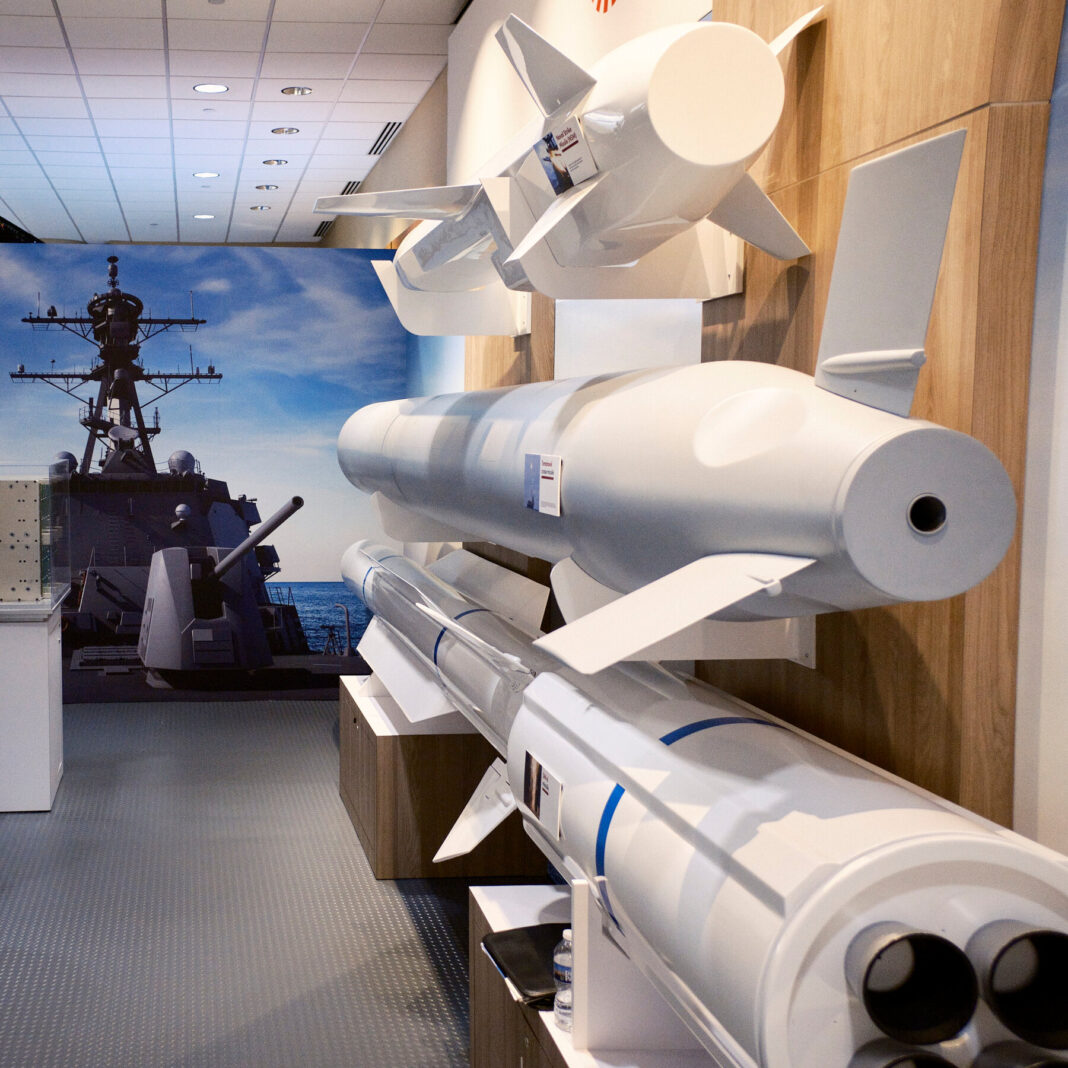
Shortages affect munitions, missile systems, and spare parts for critical platforms. Production rates have struggled to keep pace with demand from ongoing operations and foreign commitments. Officials have acknowledged that the gap between needs and stockpiles remains wide.
The meetings aimed to reassure manufacturers about long-term government contracts. Without stable funding, companies are hesitant to increase production lines. Pentagon leaders emphasized the need for sustained investment to rebuild depleted inventories.
Delays in funding approval have compounded the problem. Some lawmakers have raised concerns about spending priorities and oversight. The administration argues that the current shortfall poses a risk to national security.
Military leaders have warned that the shortage could affect readiness and deterrence. Training and operational tempo may face constraints if supplies are not restored. The Pentagon has prioritized certain programs but faces tough trade-offs.
Industry executives pointed to supply chain disruptions and labor shortages as ongoing challenges. They urged the government to provide clearer demand signals to encourage private investment. The military’s needs span multiple platforms, from artillery shells to precision-guided bombs.
Analysts predict the shortage may persist into the next fiscal year. Even with new funding, scaling up production will take time. The Pentagon is exploring options like stockpile management and allied cooperation to ease immediate pressure.
Congress is expected to debate the funding request in the coming weeks. The outcome will shape the military’s ability to replenish its arsenal. The situation remains fluid, with no quick fix in sight.