A federal judge has struck down key provisions of a Trump administration executive order that sought to restrict mail-in voting. The ruling, issued on June 25, 2026, blocks major parts of the directive aimed at changing federal election procedures.
The court found the executive order overstepped executive authority. The judge determined that altering voting rules required legislative action, not a presidential directive. The decision marks a significant legal setback for the administration’s efforts to tighten voting access.
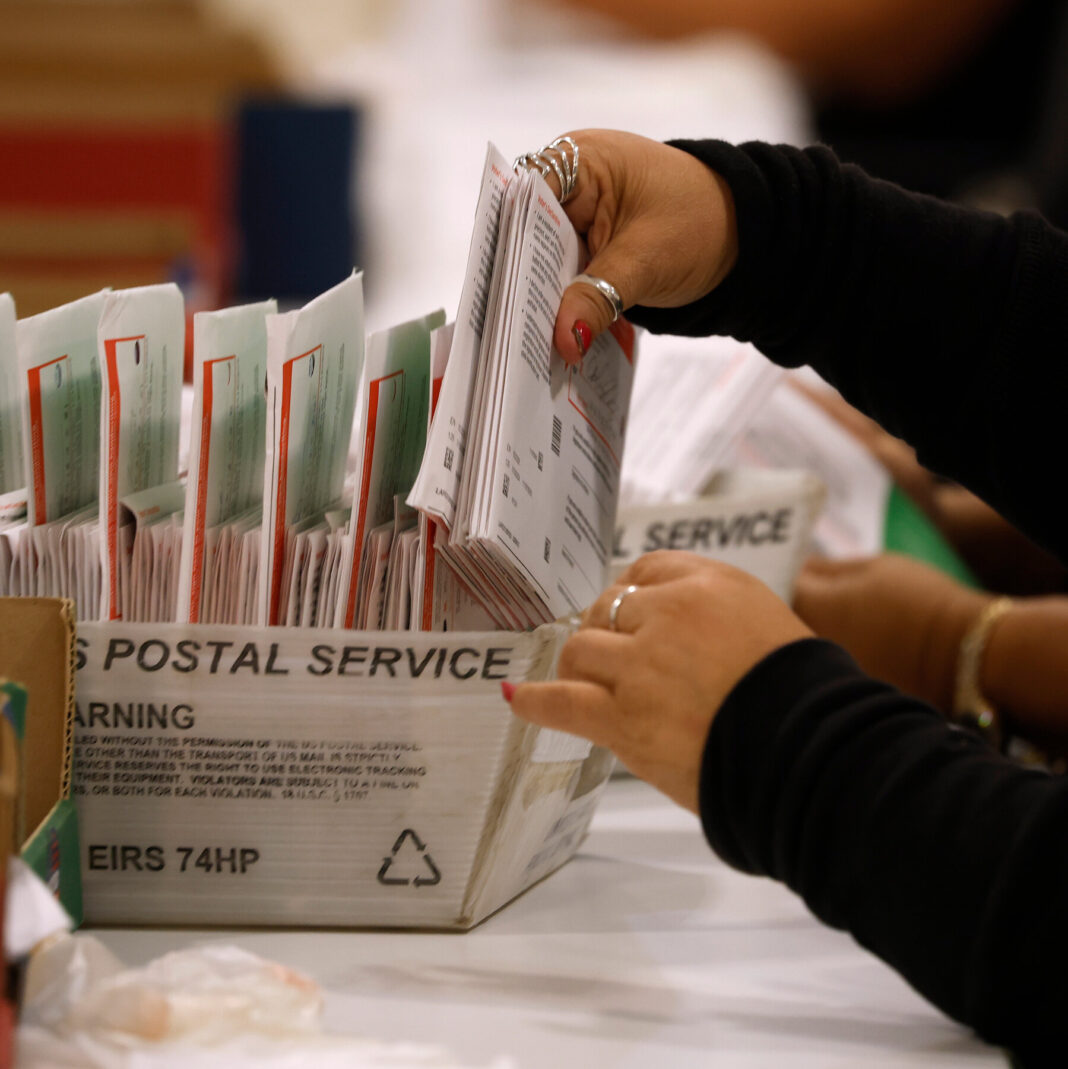
The challenged order had imposed new identification requirements for mail ballots. It also sought to limit the use of drop boxes and shorten the deadline for receiving absentee votes. Critics argued the measures disproportionately affected certain voters.
The ruling emphasized that states, not the federal government, hold primary authority over election administration. The judge cited constitutional principles of federalism in the decision. This legal framework has long guided election oversight in the United States.
The administration expressed disappointment with the ruling and indicated plans to appeal. Legal experts expect the case to move to a higher court for further review. The timeline for a final resolution remains uncertain.
Supporters of the executive order argued it was necessary to combat potential voter fraud. However, multiple studies have found mail-in voter fraud to be exceptionally rare. The judge noted a lack of evidence supporting the need for the restrictions.
Election officials across several states welcomed the ruling. They emphasized the importance of stable voting procedures before the upcoming midterm elections. The decision provides clarity for officials preparing for the next voting cycle.
Voting rights groups praised the court for protecting access to the ballot. They argued the executive order would have created unnecessary barriers for elderly and disabled voters. Advocates continue to monitor similar legal challenges nationwide.
The ruling does not fully eliminate the executive order but renders key provisions unenforceable. Remaining sections, focused on general election security measures, remain in effect. The case highlights ongoing legal battles over voting access in the United States.