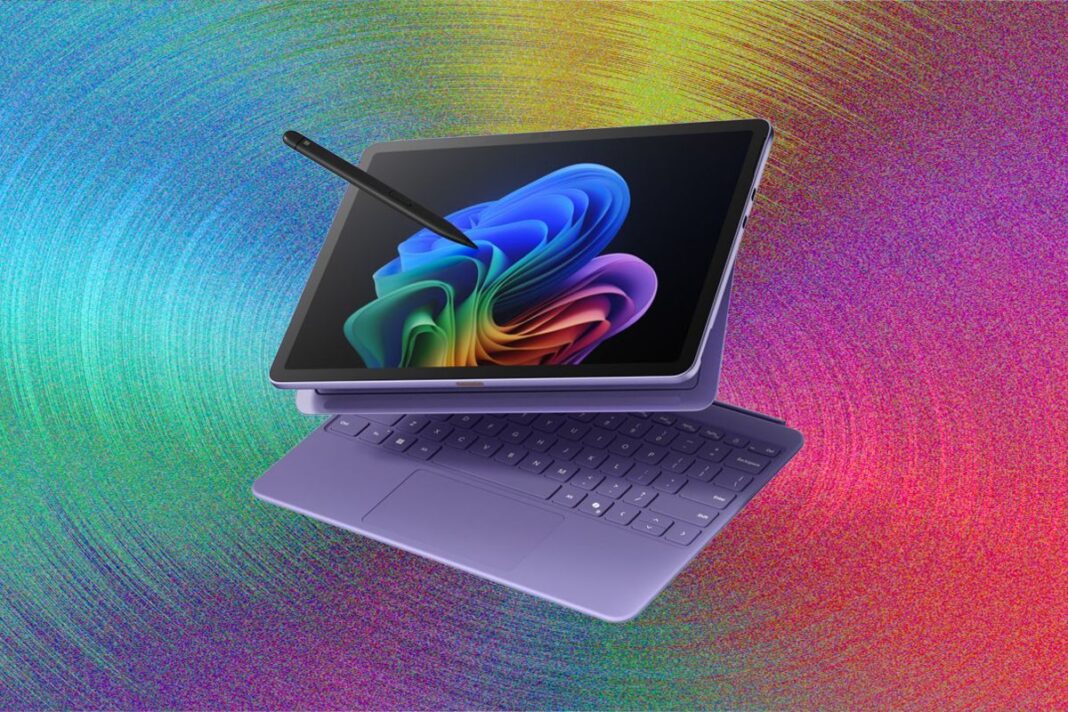
The 2-in-1 laptop market continues to evolve, offering versatile devices that function as both a tablet and a traditional notebook. These hybrid machines provide flexibility for users who need a single device for multiple tasks. Choosing the right model depends on specific needs and preferred form factors.
Microsoft’s Surface Pro line remains a benchmark for detachable tablets. Its powerful processors and excellent PixelSense display make it a strong contender for professionals. The integrated kickstand and optional keyboard cover enhance its laptop functionality.
Lenovo’s Yoga series exemplifies the convertible laptop design with its 360-degree hinge. This allows the screen to fold back completely into a tablet mode. Known for robust build quality and innovative features, these devices cater to both creative work and everyday computing.
Apple’s iPad Pro, when paired with the Magic Keyboard, enters the 2-in-1 conversation. Its exceptional display and powerful M-series chips deliver impressive performance for tablet-centric workflows. The ecosystem integration is a significant advantage for users invested in Apple’s services.
Key considerations when selecting a device include processing power, battery life, and display quality. The intended use—whether for note-taking, content creation, or general productivity—heavily influences the best choice. Portability and accessory compatibility are also crucial factors.
The choice between a detachable like the Surface Pro and a convertible like the Yoga often comes down to usage patterns. Detachables prioritize tablet use, while convertibles often feel more like traditional laptops. Each design has distinct advantages for different users.
Future advancements will likely focus on improved battery efficiency and even thinner form factors. As operating systems better unify tablet and desktop experiences, these hybrid devices will become even more capable. The market promises continued innovation from all major manufacturers.