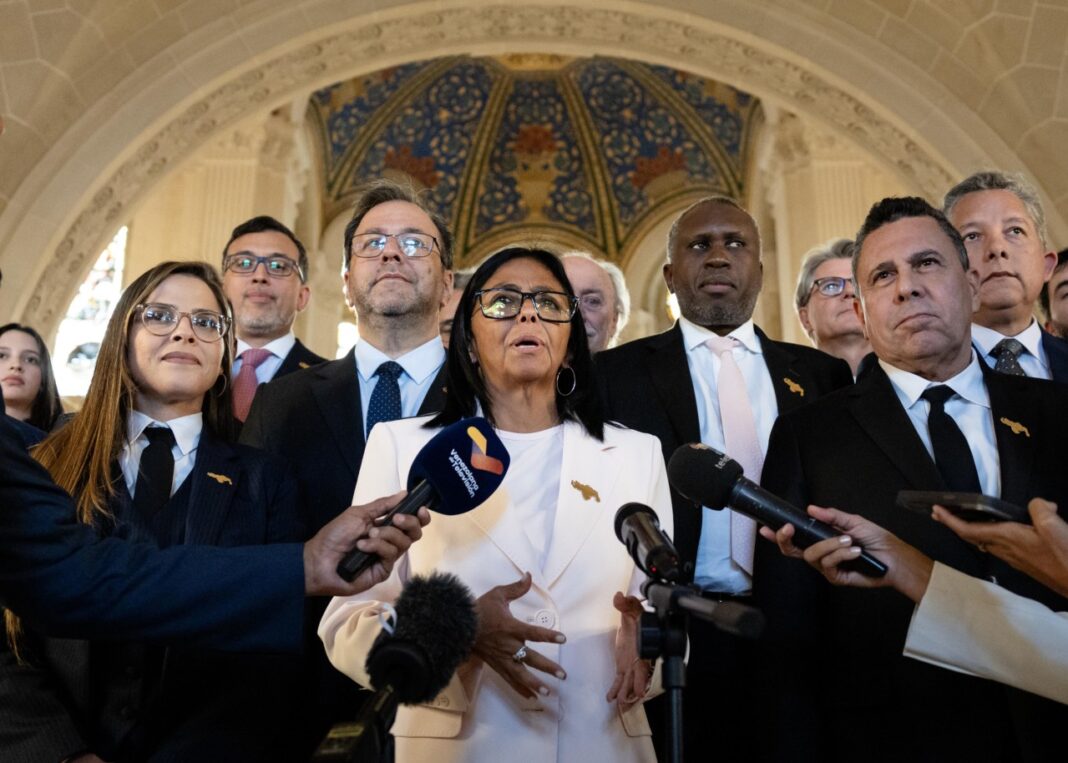
Venezuela has launched a formal effort to restructure its $170 billion debt burden. The country has been locked out of global capital markets since 2017. This move comes as diplomatic relations with the United States begin to thaw.
The South American nation defaulted on its debt during a severe economic crisis. Years of hyperinflation, political turmoil, and collapsing oil production followed. International investors have been unable to recover funds from the defaulted bonds.
The restructuring process aims to reach agreements with creditors. These creditors include holders of both sovereign bonds and bonds issued by the state oil company, PDVSA. Negotiations are expected to be complex and lengthy due to the size of the debt.
Venezuela’s economy has struggled under strict sanctions imposed by the U.S. The easing of these sanctions is a key factor enabling the debt renegotiation. The move signals a potential shift in the country’s financial isolation.
A successful restructuring would allow Venezuela to eventually re-enter international credit markets. It could also provide the government with much-needed fiscal breathing room. However, the path to a deal remains uncertain.
The bond market has responded with cautious optimism to the announcement. Some investors see an opportunity to recover a portion of their holdings. Others remain skeptical given the country’s history of non-payment.
The restructuring effort marks a significant step for Venezuela’s financial recovery. It will require cooperation from multiple stakeholders, including foreign governments and institutional investors. The outcome will shape the country’s economic future for years to come.