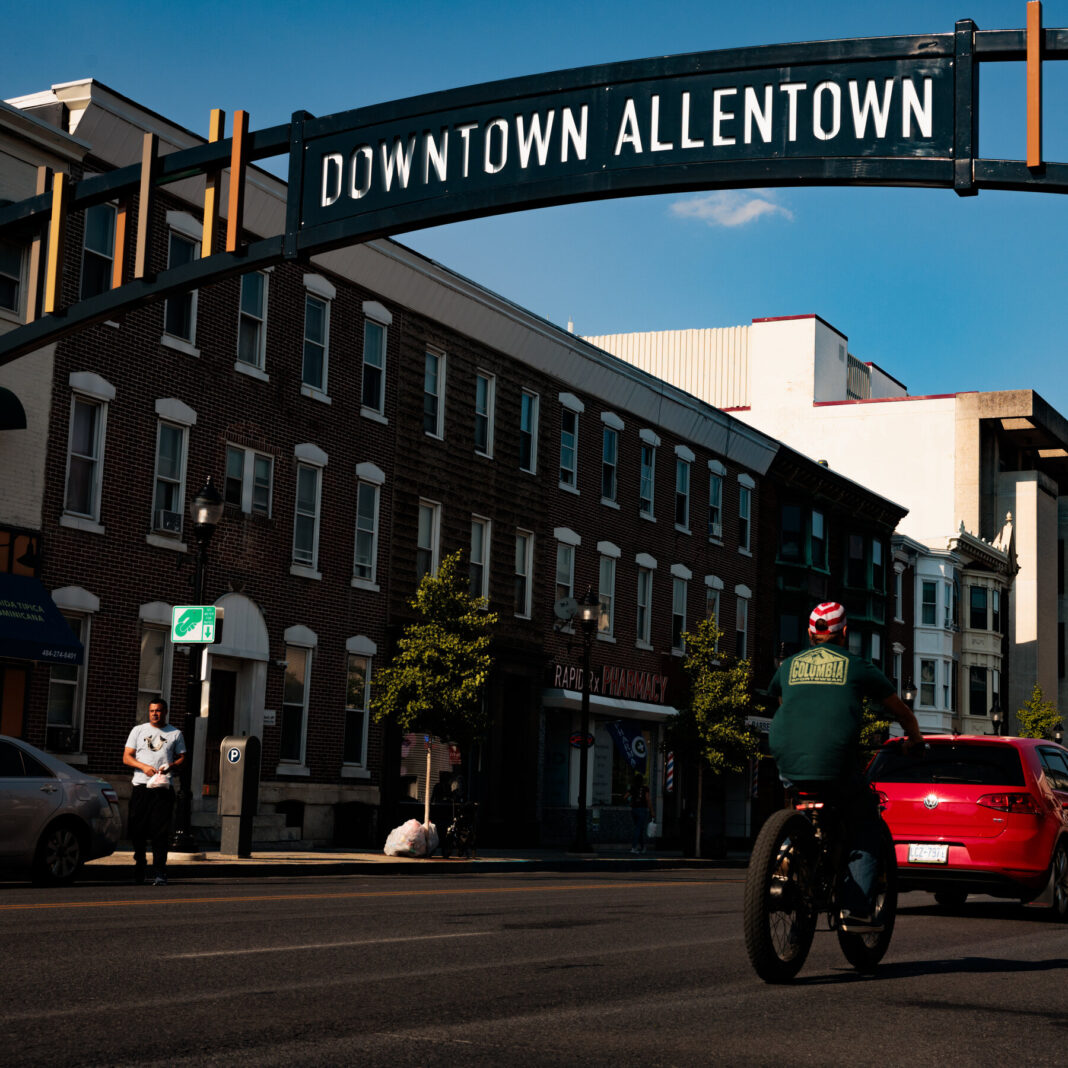
With two competitive congressional districts, the corridor from Scranton to Allentown could determine control of the House. Voters in this region are voicing deep economic anxiety.
Residents report that the cost of living has reached unprecedented levels. Many say they have never faced such financial hardship.
Housing prices have surged beyond local wages. Rent and mortgage costs now consume a larger share of household income than in previous decades.
Energy bills have climbed sharply. Utility costs strain family budgets, forcing difficult trade-offs on other necessities.
Grocery prices remain persistently high. Families describe cutting back on food or choosing lower-quality items to stretch their dollars.
Political candidates are responding to this distress. Both parties frame affordability as a central issue in their campaigns for these swing seats.
The outcome of these races may hinge on which candidate offers a more credible plan. Voters express skepticism toward promises without clear action.
Economic frustration cuts across party lines. Longtime residents note that the region’s industrial decline has compounded these newer cost pressures.
Local businesses also feel the squeeze. Small shops and restaurants report thinner margins as customers reduce discretionary spending.
Policymakers face pressure to address housing supply and wage growth. Without tangible relief, voter discontent could reshape the political landscape in the fall election.