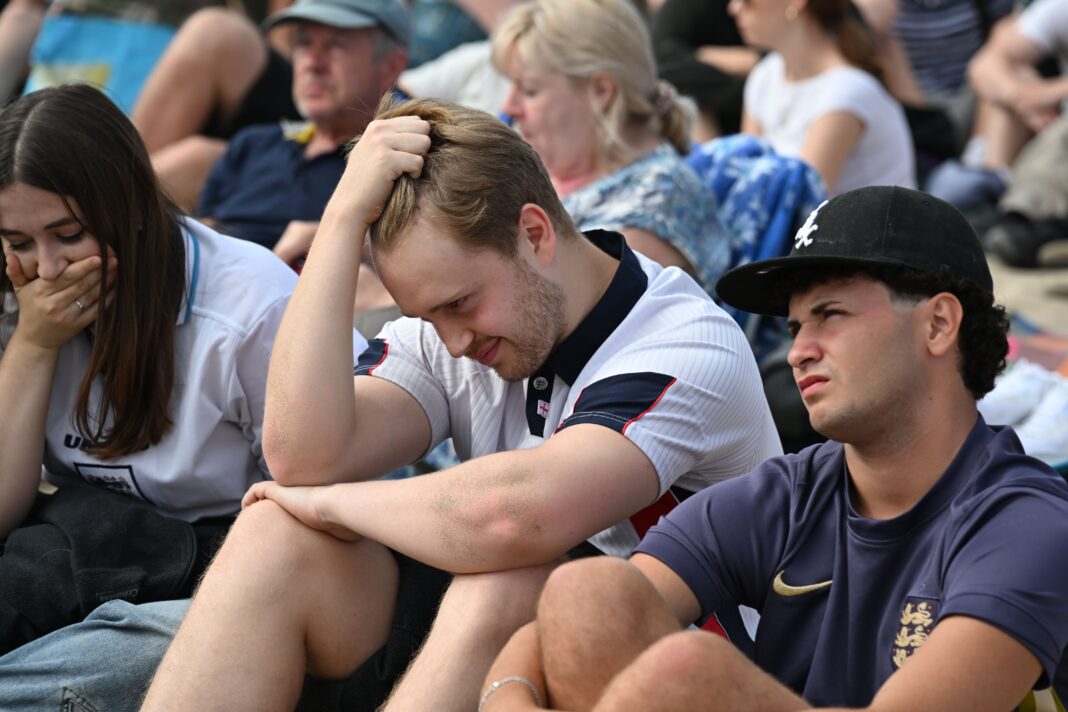
Watching a high-stakes soccer final can trigger measurable physical stress, according to a scientific study. Researchers monitored hundreds of fans as their favorite teams advanced to a tournament final. The findings reveal significant spikes in both stress levels and heart rates among spectators.
The study tracked fans over an extended period, culminating in the championship match. As the final approached, participants showed elevated markers of psychological stress. Heart rate data confirmed a corresponding physical response, with peaks occurring during critical game moments.
These physiological changes mirror the body’s natural fight-or-flight reaction. The brain perceives the game’s tension as a real threat, releasing stress hormones like cortisol and adrenaline. This response prepares the body for action, even when the viewer is simply sitting on a couch.
For healthy individuals, these spikes are generally temporary and pose no long-term risk. However, researchers caution that intense emotional investment in sports can strain the cardiovascular system. Those with underlying heart conditions may be more vulnerable during nail-biting matches.
The study emphasizes that the phenomenon is not unique to soccer finals. Similar effects occur during other high-stakes sporting events, such as championship games in basketball or football. The key factor is the emotional connection fans feel to the outcome.
Practical implications extend beyond the stadium. The findings suggest that watching live sports can be a legitimate physiological event. Viewers might benefit from taking breaks or practicing deep breathing during tense moments to help regulate their body’s responses.
Understanding these effects can help fans enjoy the game more safely. By recognizing the physical impact of emotional investment, individuals can take simple steps to stay calm. This knowledge turns a passive viewing experience into one where the viewer remains in control of their own health.