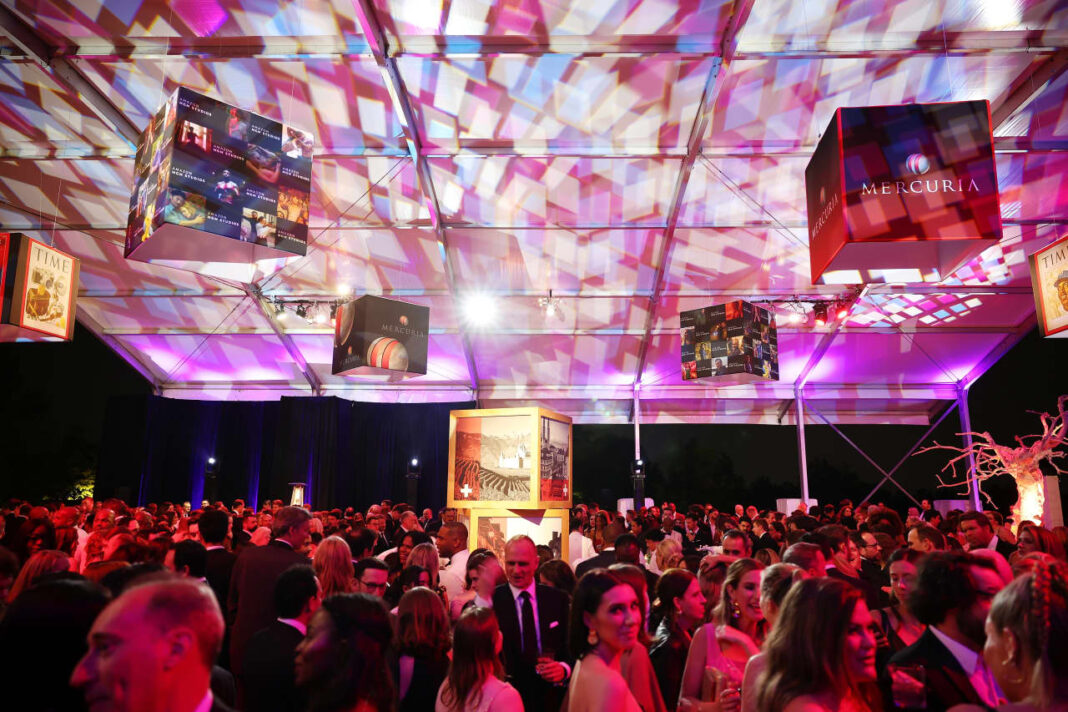
The White House Correspondents’ dinner has transformed into a weekend-long event filled with nonstop parties. Once a single formal dinner, it now stretches over multiple days with dozens of side events. Critics say the gathering has become increasingly commercialized and celebrity-focused.
President Donald Trump will attend this year’s festivities. His presence adds a layer of political tension to an already crowded social calendar. Many media organizations and corporations are hosting their own events throughout the weekend.
Companies from CNN to Grindr are organizing parties and receptions. These events can cost up to $300,000 to produce. The range of hosts reflects a broadening of the weekend beyond traditional journalism circles.
The weekend has been described as “Hollywoodified” by attendees and observers. The term captures the shift toward entertainment and branding rather than press freedom advocacy. Red carpets, celebrity appearances, and branded lounges now dominate the scene.
Grindr, the dating app, will host its own event for the first time. This move highlights how non-media companies are leveraging the weekend for visibility. The app joins a growing list of brands seeking access to journalists and politicians.
Critics argue the weekend has strayed from its original purpose. The dinner was founded to honor the relationship between the press and the White House. Now, it often feels like a networking and marketing opportunity.
Event costs have ballooned in recent years. Some parties require six-figure budgets for venues, catering, and security. Sponsorships from major brands help offset these expenses for hosts.
The sheer volume of events can be overwhelming for attendees. Many journalists now spend the weekend hopping between parties rather than focusing on the dinner itself. The schedule has become a logistical challenge.
Supporters see the expansion as a sign of the dinner’s cultural relevance. They argue the additional events allow for broader participation. The weekend has become a platform for media, tech, and political sectors to interact.
Regardless of opinion, the weekend remains a major fixture in Washington’s social calendar. Its evolution reflects broader trends in media and event culture. The blend of politics, media, and entertainment shows no signs of slowing down.