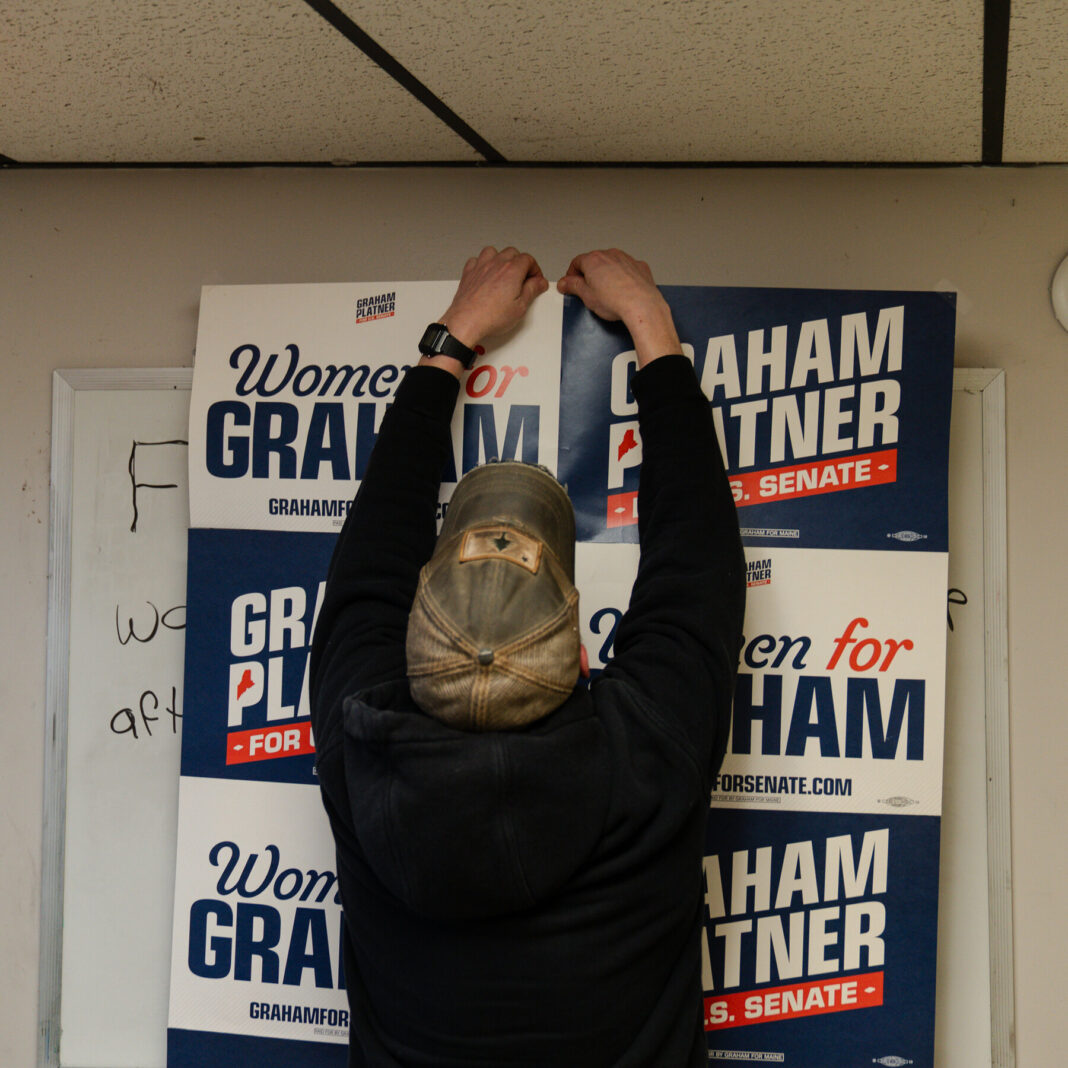
Why Some Women in Maine Are Mourning the End of Graham Platner’s Campaign
Many women in Maine supported the accuser in the controversy that ended Graham Platner’s campaign. At the same time, they grieve the collapse of a political effort that offered a new kind of politics. They believe the allegations were credible, but they also mourn the loss of a candidate who promised change.
These women blame party leaders and political insiders for failing to find a less flawed candidate. They argue that the campaign’s demise could have been avoided with better vetting and support. The focus now shifts to the systemic issues that allowed the situation to unfold.
For some, Platner’s campaign represented hope that politics could move beyond divisive tactics. His platform resonated with voters tired of traditional partisan battles. The loss feels personal, not just political.
The accuser’s experience remains central to the story. Many women emphasize that accountability matters, but they also want to understand why better alternatives were not available. The dual emotions of belief and loss highlight a deeper frustration.
Local conversations reveal a split between those who prioritize justice and those who value political innovation. Some argue the reaction was too harsh, while others insist no candidate is above scrutiny. This tension mirrors broader national debates.
Moving forward, advocates hope for more diverse and vetted candidates in Maine. The incident serves as a cautionary tale for campaigns promising reform without thorough preparation. The lesson is clear: change requires both vision and rigor.
Ultimately, the story reflects a community grappling with complex values. Women in Maine are left to reconcile their hopes for a better politics with the reality of human flaws. The campaign’s end is a loss, but not a reason to abandon the pursuit of integrity.