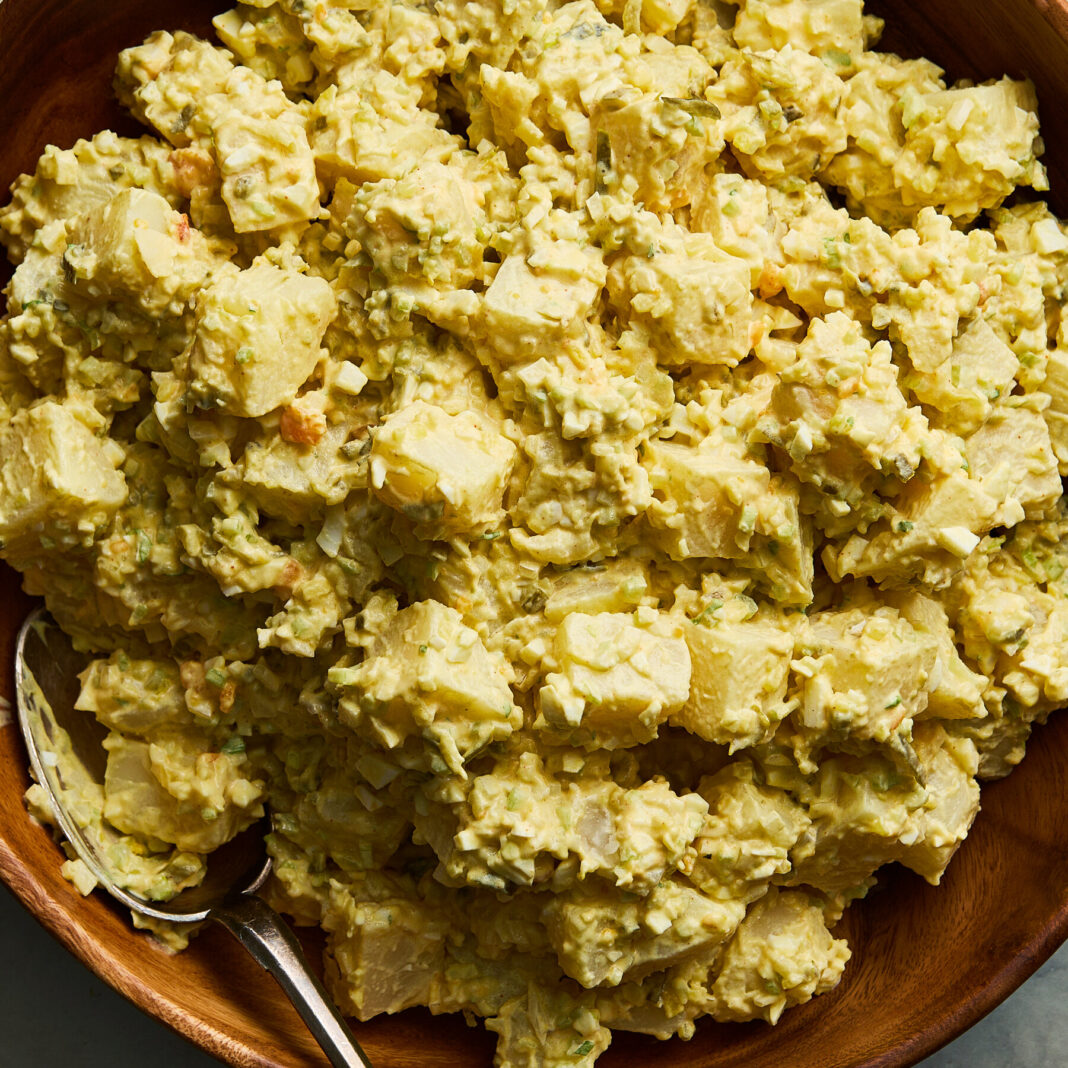
Potato salad holds a distinct place among American culinary traditions. It is a staple of summer gatherings, from backyard barbecues to Fourth of July picnics. Its widespread appeal stems from its simplicity and versatility.
The dish tells a story about American identity and cultural blending. Potato salad has roots in European cuisine, but it evolved uniquely in the United States. Immigrants adapted their own versions, incorporating local ingredients and preferences.
Regional variations highlight this diversity. Southern-style potato salad often includes mustard and hard-boiled eggs. Midwestern versions may rely more on mayonnaise and celery. Each style reflects local tastes and available produce.
The dish also democratizes cooking. It requires no special skills or expensive equipment. Anyone can prepare a basic potato salad with common pantry items. This accessibility makes it a reliable choice for both novice and experienced cooks.
Potato salad has sustained its popularity through decades of changing food trends. It withstands competition from newer side dishes and international flavors. Its consistent presence on tables speaks to its enduring appeal.
Nutritionally, potato salad provides carbohydrates and fat, making it satisfying for active outdoor events. It pairs well with grilled meats and fresh vegetables. Its texture and temperature work well in hot weather.
Commercially, potato salad supports a range of businesses. Grocery stores sell pre-made versions, while delis and restaurants craft house recipes. This economic impact reinforces its place in American food culture.
Ultimately, potato salad remains a reliable, crowd-pleasing option. Its simple foundation invites creativity without sacrificing tradition. For these reasons, it continues to earn its status as a beloved American dish.