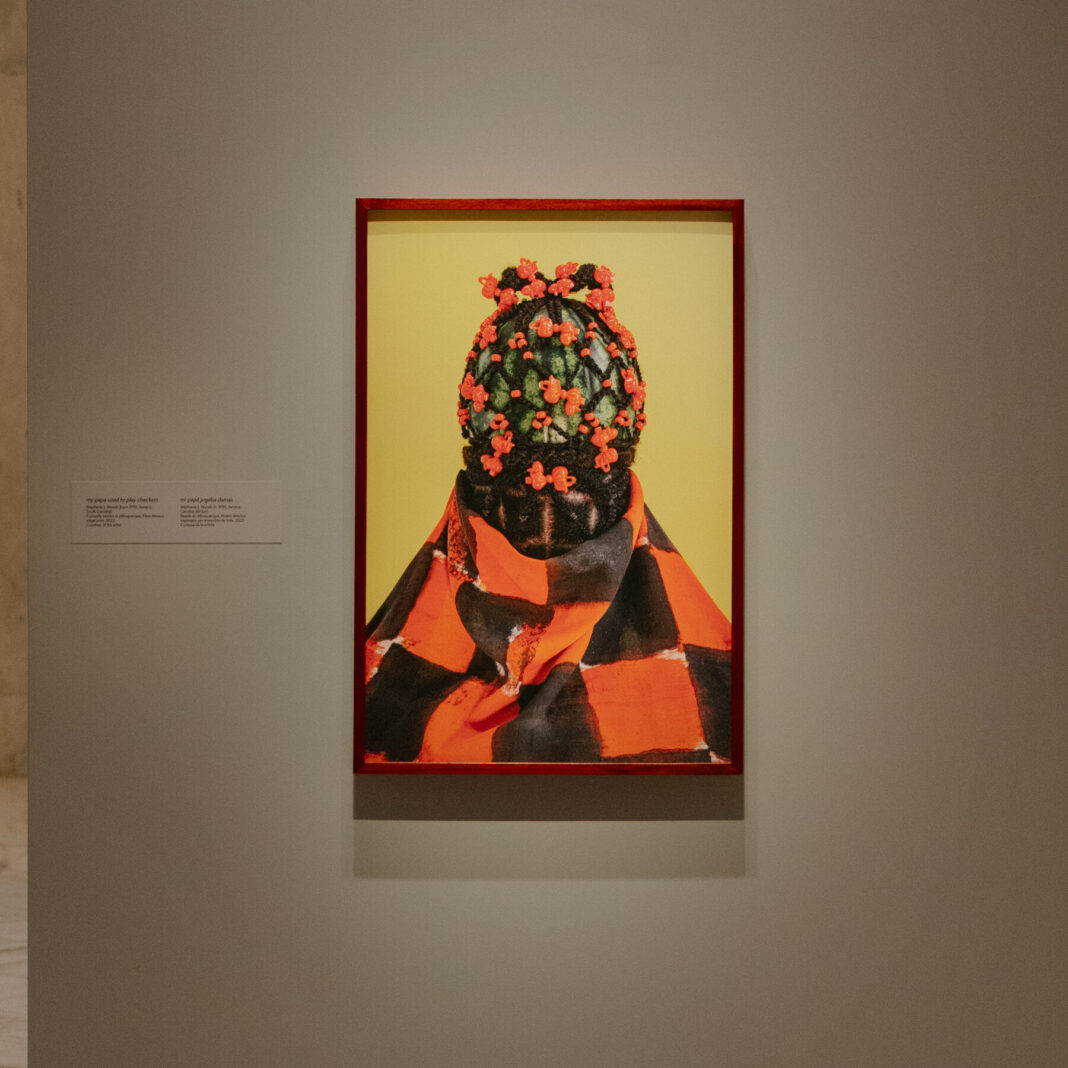
The Smithsonian Institution has quietly revised or removed certain interpretive wall texts that accompany exhibited artworks. These changes have sparked criticism from some observers who label the moves self-censorship. The museum network maintains the updates aim to improve visitor clarity and accuracy.
Interpretive labels, often created by curators, provide context about an artwork’s history, meaning, or creator. Some eliminated phrases referenced controversial historical figures or political movements. Revisions often replaced nuanced descriptions with more neutral language.
Critics argue the changes represent a retreat from necessary dialogue about difficult histories. They point to specific examples where language about colonialism, race, or social justice was softened. The Smithsonian has not confirmed which specific texts were altered.
Smithsonian officials stated the review process is routine and focused on ensuring factual precision. They noted that interpretive text evolves regularly as scholarship advances. The institution emphasized its commitment to presenting diverse perspectives within its collection.
The debates reflect broader tensions in American cultural institutions over how to address politically charged subjects. Museums across the country have faced pressure from both conservative and progressive groups to adjust their presentations. These conflicts often center on language in wall texts.
Some art historians worry the changes could set a precedent for sanitizing museum education. They argue that wall texts play a crucial role in helping visitors understand art within its full social context. Removing critical perspectives may reduce educational value.
Supporters of the revisions counter that museum labels should prioritize accessibility over academic debate. They believe overly complex or partisan language alienates general audiences. Neutral wording, they argue, allows visitors to form their own interpretations.
The Smithsonian has not disclosed a timeline for further text reviews. The institution continues to face internal and external debates about its role in shaping public understanding of history and art. The outcome could influence similar discussions at other major museums.