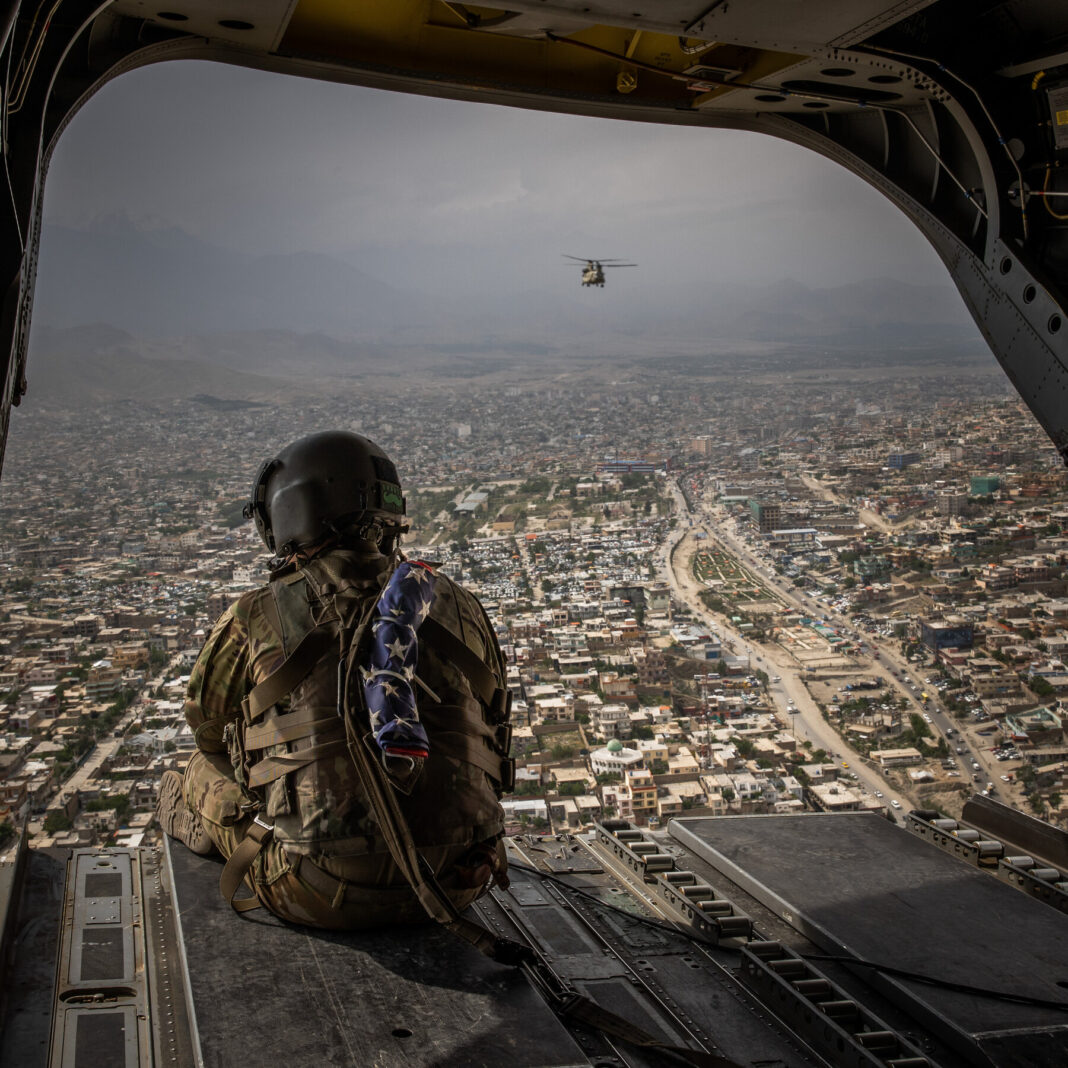
Five years have passed since the United States ended its longest war, a conflict that stretched across two decades in Afghanistan. That withdrawal, completed in August 2021, was meant to close a chapter of endless military engagement. Instead, it now serves as a reference point for a new generation of officials confronting the possibility of another protracted conflict, this time with Iran.
The end of the Afghan war was chaotic, marked by the rapid collapse of the Afghan government and the Taliban’s swift return to power. That outcome left a lasting impression on American foreign policy, shaping debates about troop deployments and military intervention. For many policymakers, the lesson was clear: large-scale ground wars carry immense risks and uncertain endings.
The same caution now applies to discussions about Iran. Military options against Tehran have been floated repeatedly, but the memories of Afghanistan loom large. A conflict with Iran would likely be more complex, given its size, population, and advanced military capabilities. Any campaign could quickly escalate beyond a limited strike, drawing the United States into a prolonged engagement.
Analysts point to several structural factors that make quitting such wars difficult. The presence of entrenched interests, including defense contractors and political constituencies, creates momentum for continued involvement. Additionally, the nature of modern insurgencies and asymmetric warfare means that clear victories are rare, leaving forces in a state of indefinite stalemate.
The Afghanistan experience also highlighted the challenge of defining success. Initial goals of dismantling terrorist networks gave way to broader nation-building efforts, which proved unsustainable. Without a clear and achievable objective, military missions tend to expand, making an exit strategy harder to define.
For Iran, the stakes are even higher. The country’s influence extends across the Middle East, from Lebanon to Yemen, and a direct confrontation could ignite a regional war. Unlike Afghanistan, where the U.S. faced a fragmented opposition, Iran possesses conventional military strength and the ability to strike back at American assets and allies.
Some experts argue that the United States has not fully learned the lessons of its longest war. They point to a persistent belief in the efficacy of military force, even after decades of mixed results. The political pressure to appear tough on adversaries often outweighs the strategic wisdom of restraint.
The debate over Iran is not a foregone conclusion. Diplomacy remains an option, though it has faced repeated setbacks. The Biden administration and its successors have oscillated between pressure campaigns and negotiations, reflecting the uncertainty that now defines U.S. policy in the region.
In the end, the five-year anniversary of the Afghan withdrawal offers no simple answers. It does, however, provide a sobering reminder of the costs of military intervention. As policymakers weigh their next move, the ghost of Afghanistan will likely remain a powerful force in their deliberations.