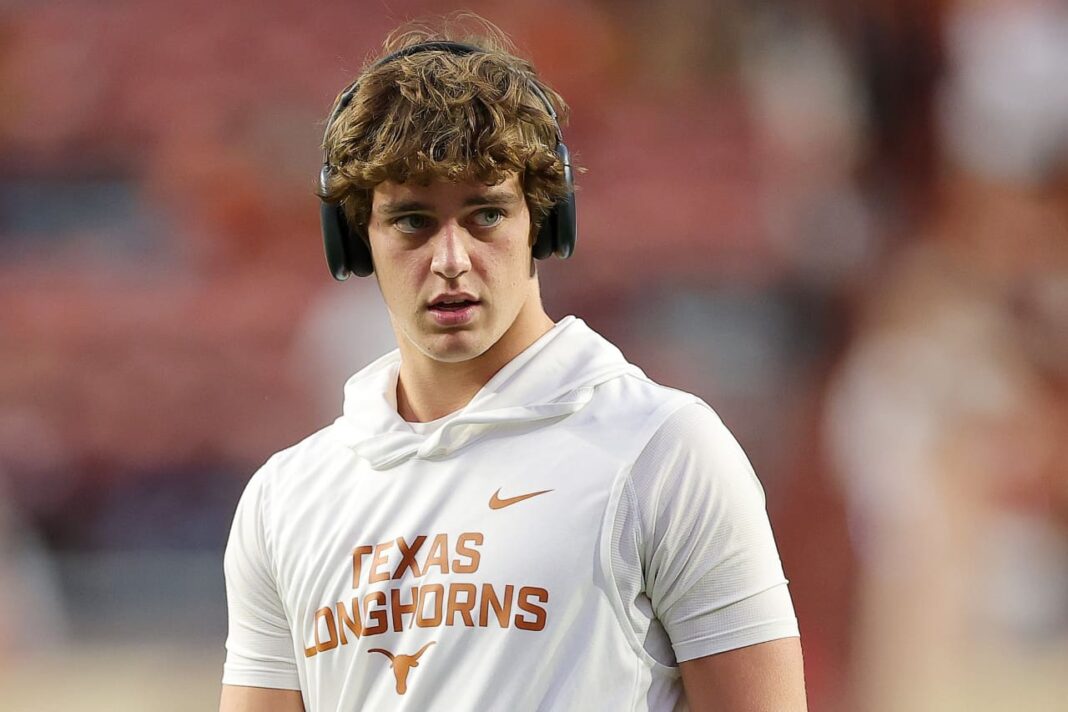
A new bipartisan bill in Congress threatens the earnings of college sports’ wealthiest athletes. The Protect College Sports Act aims to establish federal guidelines for name, image, and likeness (NIL) deals. One sports attorney warns the bill could “materially harm the earnings potential of top college athletes.”
The proposed legislation seeks to create a national standard for NIL compensation. Currently, a patchwork of state laws governs how athletes profit from their personal brands. This inconsistency has led to competitive imbalances among universities.
The bill would introduce stricter oversight and potential caps on NIL payments. Lawmakers argue this protects the integrity of college sports. Critics say the measure unfairly targets athletes cashing in on their fame.
Wealthy donors and collectives often fund the largest NIL deals. Under the new rules, those arrangements could face significant restrictions. This directly impacts athletes who secure multi-million dollar agreements.
The legislation also addresses recruiting practices tied to NIL promises. Some schools have used lucrative deals to lure top talent away from rivals. The bill aims to eliminate such incentives, limiting athlete leverage.
Supporters of the bill claim it provides stability for the NCAA and member schools. They emphasize the need to preserve the amateur model of college athletics. Opponents see it as a step backward for athlete rights.
The bill’s future remains uncertain as Congress debates its provisions. Stakeholders across the sports industry are watching closely. Athletes and their representatives are preparing for potential earnings losses.