
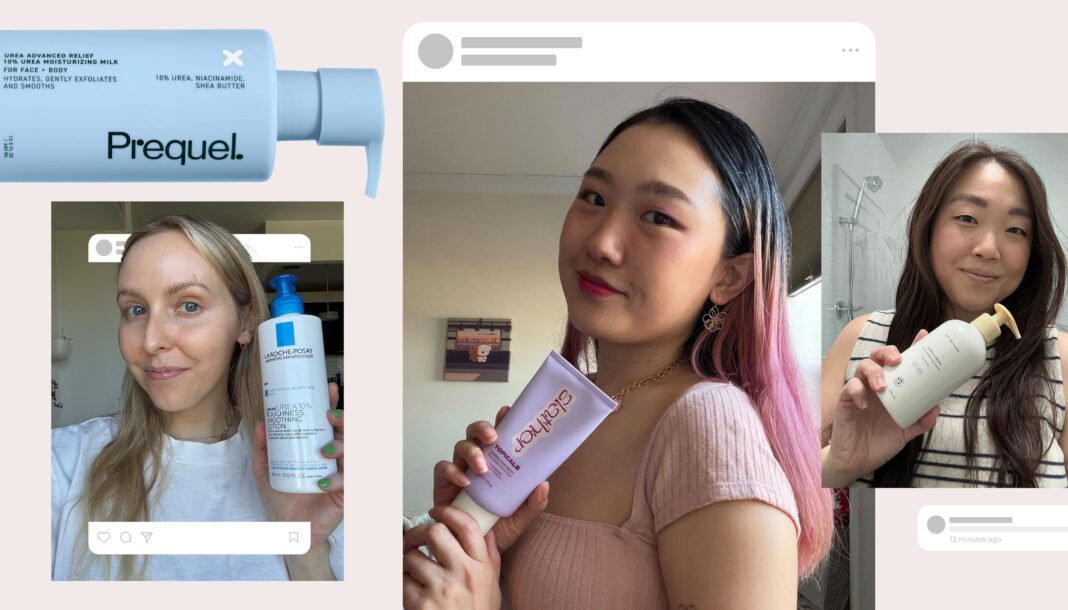
Urea, a compound naturally found in the skin, has become a key ingredient in moisturizers for its dual action of hydrating and exfoliating. It helps manage everything from persistent dry patches on the body to thick calluses on the feet. The ingredient works by drawing moisture into the outer layer of the skin while gently breaking down the bonds that hold dead skin cells together.
Dermatologists note that urea is particularly effective for conditions like eczema, psoriasis, and keratosis pilaris. These conditions often involve a buildup of rough, scaly skin that standard lotions fail to address. By softening the top layer, urea allows other emollients in a formula to penetrate deeper and work more efficiently.
The concentration of urea in a product is critical to its function. Low-strength formulas, typically around 5 to 10 percent, focus on hydration and are safe for daily use on the face and body. Higher concentrations, ranging from 20 to 40 percent, act as stronger exfoliants and are usually reserved for treating stubborn areas like heels or elbows.
Skin care experts warn against using high-percentage urea on broken or irritated skin, as it can cause stinging or further inflammation. They recommend patch testing any new product, especially for individuals with sensitive skin. For facial use, lower concentrations are generally preferred to maintain the skin’s natural barrier without over-exfoliation.
Unlike many active ingredients, urea is considered stable and well-tolerated across most skin types. It is also a humectant, meaning it attracts water from the environment and deeper skin layers into the surface. This property makes it a valuable addition to routines during dry winter months or in arid climates.
Consumers will find urea in various formats, including creams, lotions, and balms. Foot creams with high urea content are common for managing cracked heels, while lighter body lotions offer a maintenance option for daily use. The ingredient pairs well with ceramides and fatty acids, which help restore the skin’s lipid barrier after exfoliation.
Results from urea-based products are not immediate but become visible over several days of consistent use. Users typically notice smoother texture and reduced flaking within a week. For deep calluses, extended treatment over several weeks is often necessary to achieve significant improvement.
When selecting a urea moisturizer, checking the ingredient list for the exact percentage is essential. Products that advertise urea but place it low on the list may not deliver the intended effect. Those looking for a gentle daily moisturizer can start with a lower strength, while athletes or individuals with heavy foot wear may require a stronger formulation.
Urea has been used in dermatology for decades, yet it remains less popular than acids like glycolic or salicylic acid for exfoliation. However, its unique ability to both hydrate and soften makes it a practical alternative for those seeking a simpler approach. The ingredient offers a straightforward solution for maintaining smooth skin from head to toe without introducing multiple steps to a routine.



