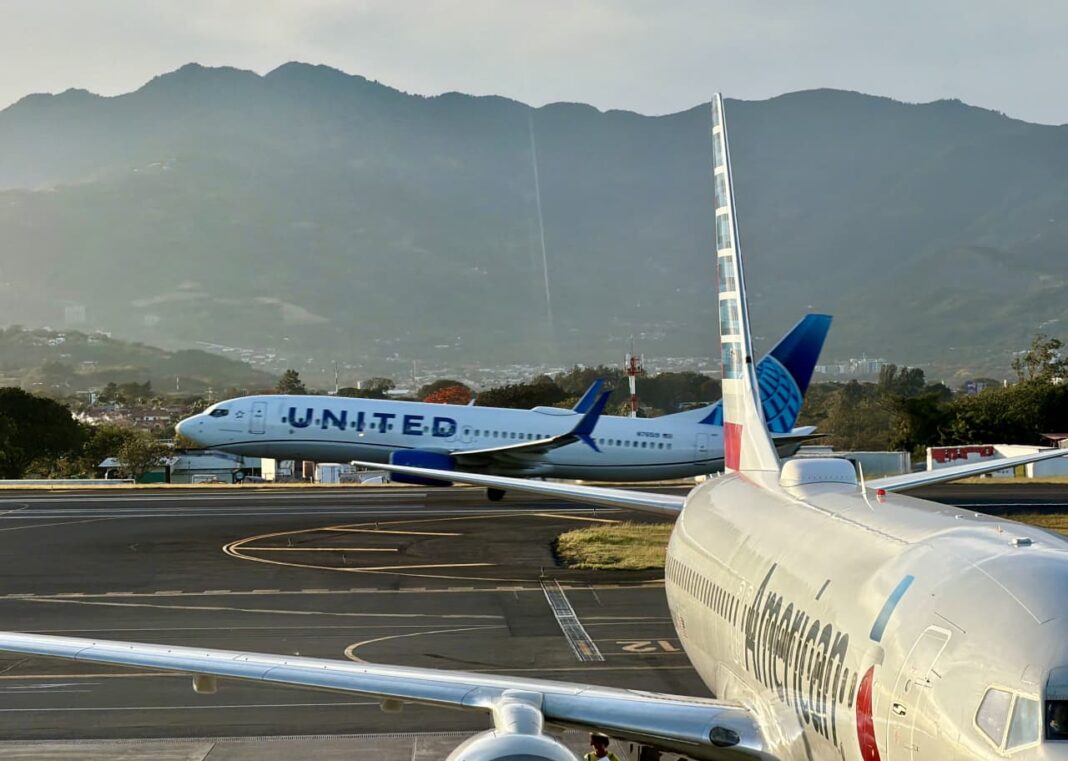
A potential merger between United Airlines and American Airlines would face intense regulatory scrutiny. The current administration, while generally supportive of business, would likely examine such a deal closely. Antitrust concerns would be a primary focus from the outset.
The combined entity would create the world’s largest airline by several metrics. This market dominance could trigger opposition from consumer advocacy groups. They would argue that reduced competition often leads to higher fares for passengers.
Regulators would analyze the impact on key domestic routes and hubs. Overlap on busy corridors could raise significant red flags. The deal would require convincing arguments that it benefits the public.
Past airline mergers provide a complex blueprint. Some integrations have led to operational efficiencies and expanded networks. Others have resulted in prolonged service issues and customer dissatisfaction.
Labor union negotiations would present another major hurdle. Merging seniority lists and contracts is historically difficult. Employee integration often becomes a protracted and delicate process.
The financial rationale would center on cost savings and network strength. Eliminating duplicate functions could improve profitability. A larger route map might also better compete with global rivals.
Ultimately, any proposal would demand a clear demonstration of consumer benefit. Regulatory approval is far from guaranteed in the current climate. The path to a merger would be long and uncertain.