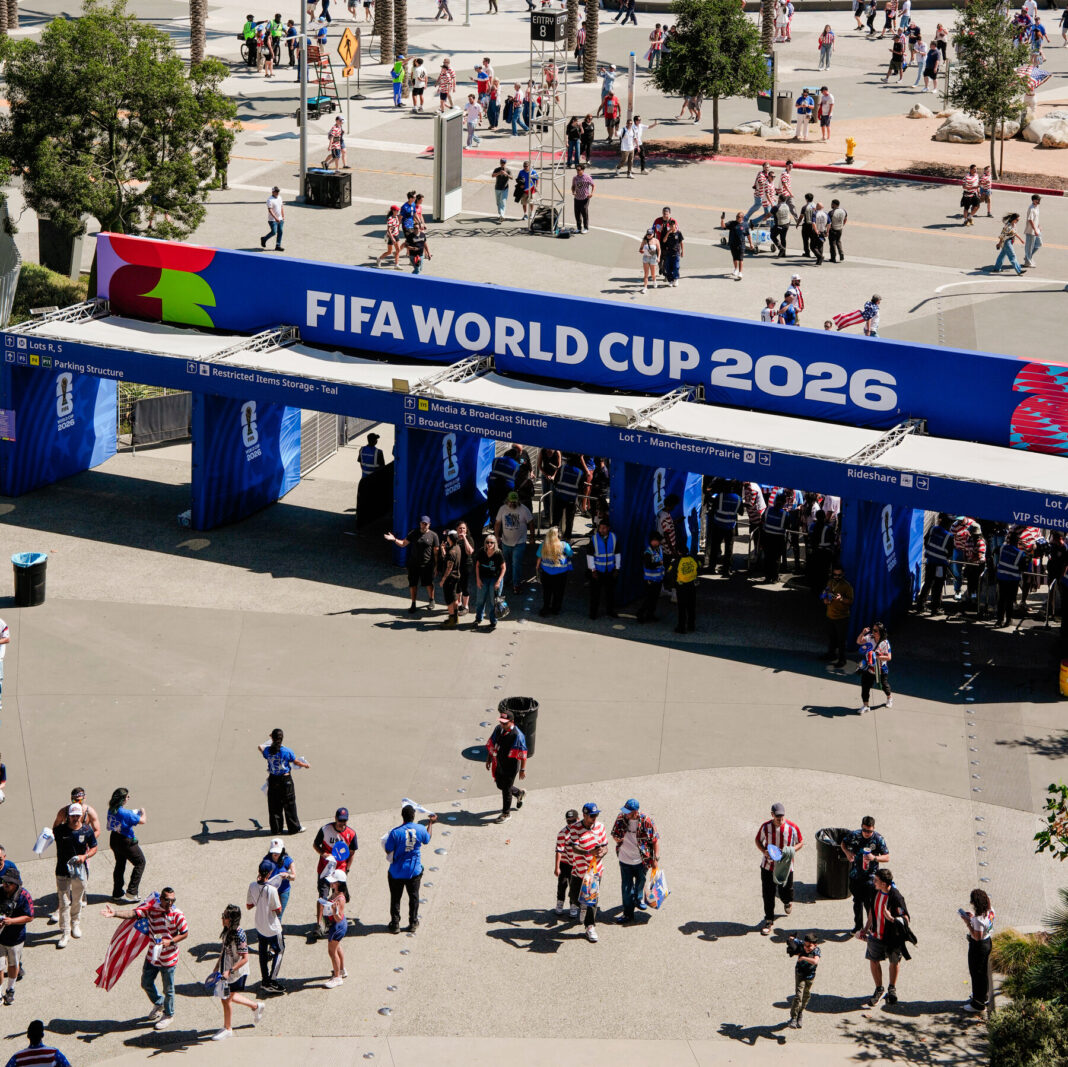
World Cup Tourism Off to a Slow Start in the U.S., Canada and Mexico
Hotels and visitation numbers were expected to surge across the United States, Canada, and Mexico this year. Instead, several host cities have reported a decline in tourism. The anticipated travel boom has yet to materialize as the World Cup approaches.
Early data from major booking platforms shows a significant dip in hotel reservations. Industry analysts cite high ticket prices and accommodation costs as key deterrents for prospective visitors. The slump contradicts earlier optimistic forecasts from tourism boards.
Canadian host cities like Toronto and Vancouver have seen softer demand than projected. Local hospitality groups report a cautious approach from international travelers. Many tourists are waiting for last-minute deals closer to match dates.
In Mexico, cities including Guadalajara and Monterrey face similar trends. Officials had prepared for a wave of foreign visitors but now see a more reserved market. Domestic tourism is partially filling the gap left by international arrivals.
U.S. host venues from coast to coast are adjusting their expectations. Major hotel chains have lowered their initial revenue predictions for the summer. The slow start raises questions about long-term economic benefits for the region.
Experts suggest mixed factors behind the sluggish start, including economic uncertainty. Higher airfare and inflation have also influenced travel budgeting decisions. The pattern deviates from typical major sporting event tourism spikes.
Some industry leaders remain hopeful that bookings will pick up as games begin. Last-minute travel surges remain a possibility for host cities. The current pace, however, indicates a more measured recovery than originally anticipated.