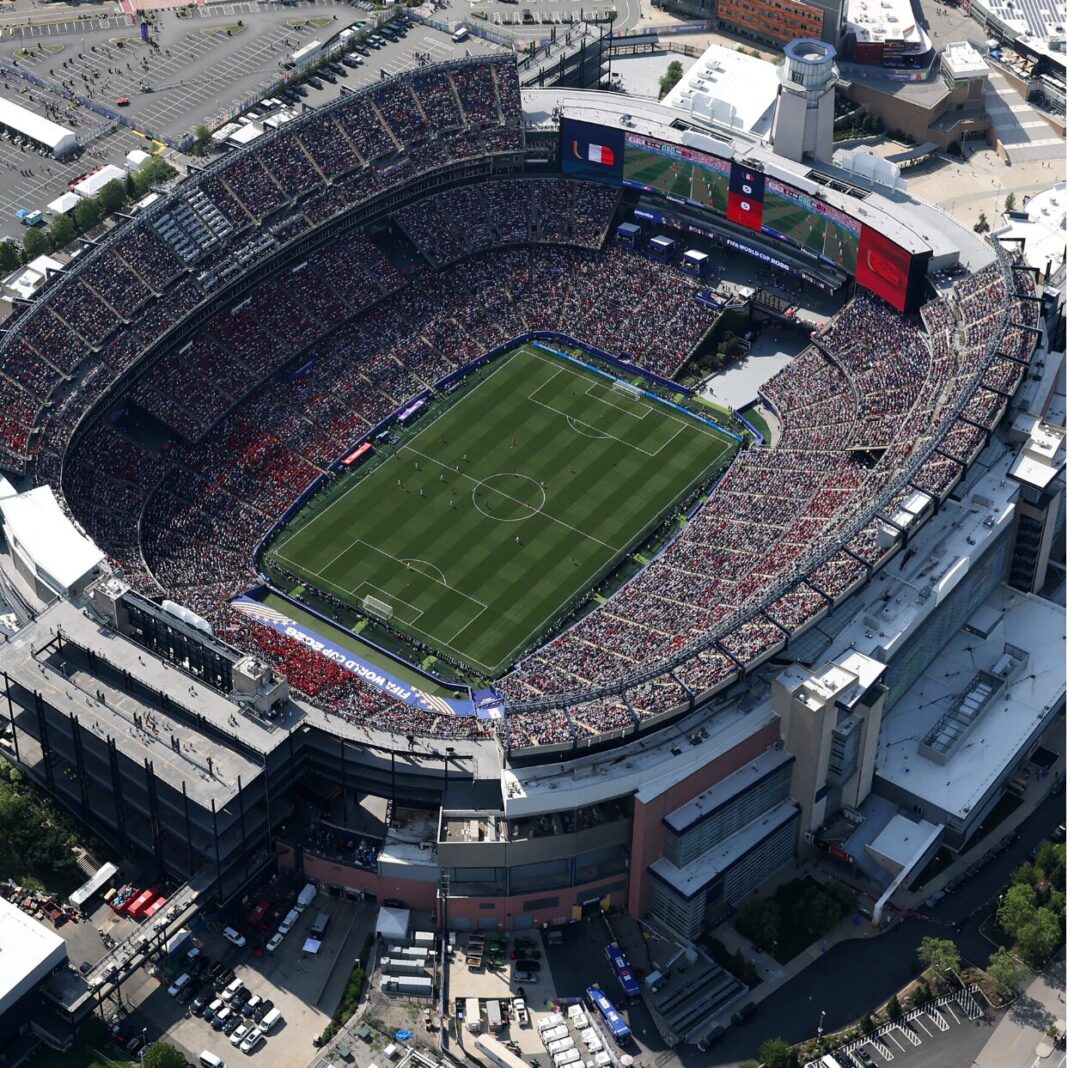
The World Cup in the United States, Canada, and Mexico generated intense economic bets from host cities and tourism boards. Many expected a surge in international visitors, hotel bookings, and local spending. The actual results, however, varied significantly across the three nations.
Some destinations hit their tourism targets squarely. Cities with strong existing infrastructure and direct transportation links saw sustained crowds. Hotels reported near-full occupancy during key matches, and local businesses benefited from steady foot traffic.
Other host cities experienced a fizzle. High hotel prices and logistical challenges deterred some travelers. Several venues saw lower than anticipated attendance from foreign tourists, leaving some sectors with unmet revenue goals.
The tournament highlighted regional disparities. Canadian cities, for example, attracted a smaller share of international fans compared to their U.S. counterparts. Mexican destinations faced additional hurdles, including visa restrictions and safety perceptions that dampened travel demand.
Data from tourism boards reveals a mixed outcome. While total visitor numbers rose in aggregate, the per-visitor spending did not always match the pre-tournament hype. Many travelers opted for budget accommodations or day trips rather than extended stays.
Hotels in secondary markets struggled the most. Smaller cities hosting early-round matches failed to convert short-term spikes into lasting tourism growth. Local officials now face the task of sustaining interest beyond the event.
The winners were cities that combined match-day attractions with broader cultural or natural appeal. These locations successfully extended visitor stays and encouraged repeat visits. The losers were those that relied solely on the tournament for a quick economic boost.
For future mega-events, the lesson is clear. Tourism gains depend on strategic planning, accessible pricing, and integrated marketing. The World Cup proved that hosting alone does not guarantee a lasting windfall.