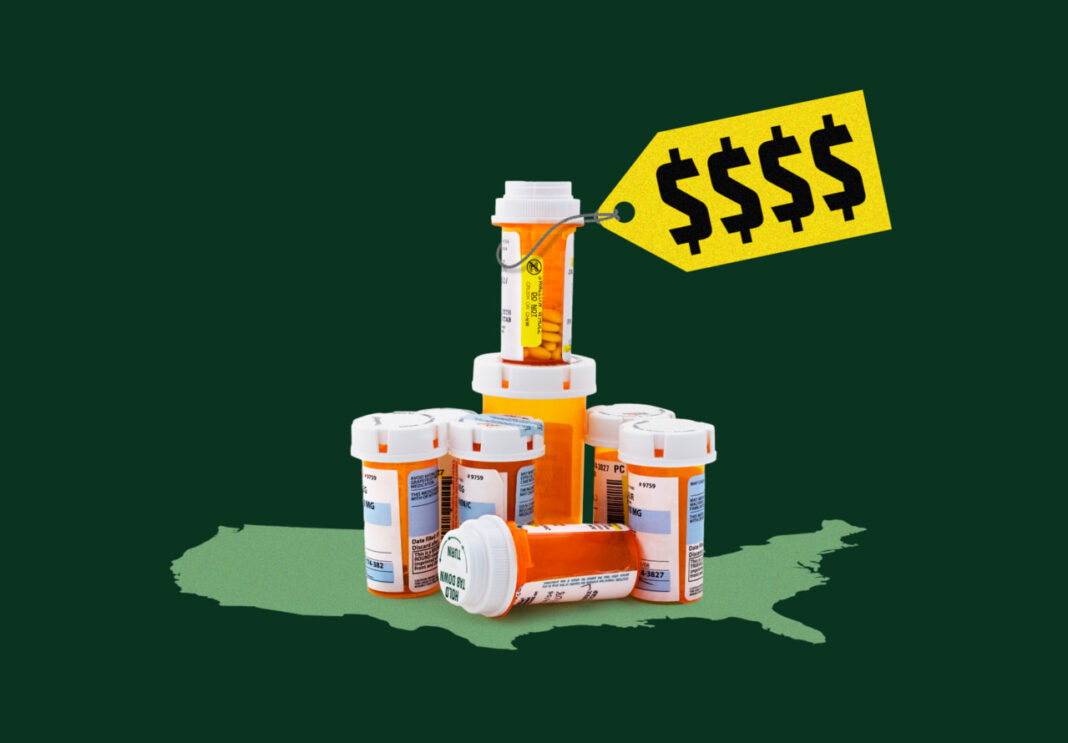
Prescription drug prices in the United States have reached levels where, for some patients, monthly medication costs exceed their mortgage payments. The underlying pricing system that allows this to happen is complex, but the core problem is straightforward: the companies that develop and sell the drugs are also the ones defining their worth.
Value-based pricing is often cited as the ideal method for setting drug costs. That approach would link what patients pay to the real-world benefit a medicine provides. In practice, however, the entity measuring that value is typically the manufacturer itself, creating a direct conflict of interest.
The result is a math problem that never works in the patient’s favor. When a company controls the data, the clinical endpoints, and the narrative around a drug’s effectiveness, the calculated price inevitably skews upward. Rarely does that calculation factor in the household budget of the person filling the prescription.
This pricing structure creates a ripple effect. Insurers pass higher costs to employers, who then pass them to workers through premiums and deductibles. Patients at the pharmacy counter see the final bill, but the price was set years earlier in boardrooms, not in response to patient outcomes.
Attempts at reform have been met with significant pushback from an industry armed with substantial lobbying power. Independent assessments of drug value do exist, but they are often ignored or challenged by manufacturers who prefer their own internal estimates.
Transparency in pricing negotiations would be a starting point, but true reform requires separating the evaluation of a drug’s worth from the financial interests of its creator. Without that separation, affordability remains an afterthought, and the burden continues to fall on patients.
The system will not self-correct. Real change depends on external oversight that prioritizes clinical effectiveness over corporate profit. That shift is necessary before the cost of staying alive becomes permanently out of reach.