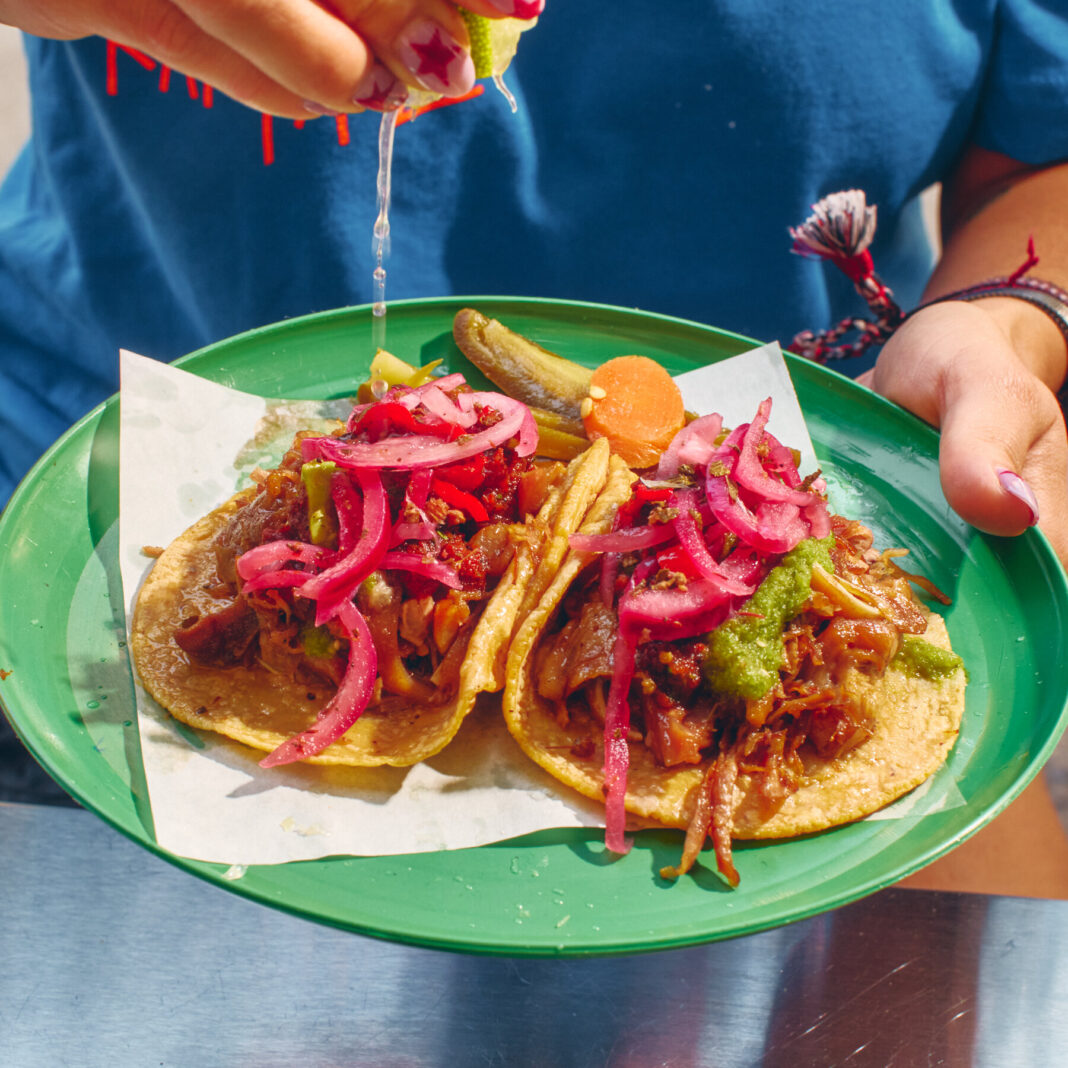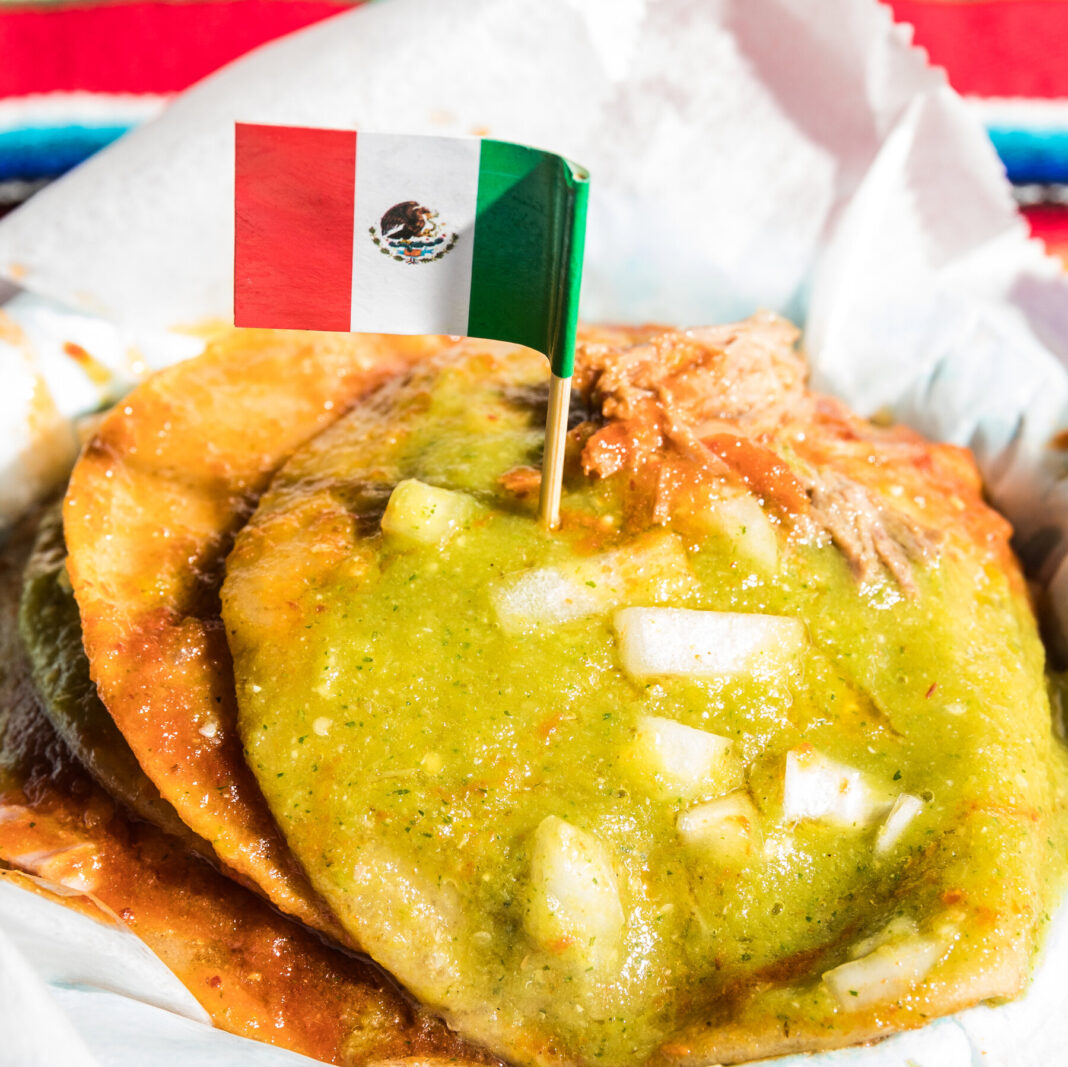
Mexican cuisine in the United States has reached an unprecedented level of diversity and quality. Restaurants across the country now offer regional dishes that were nearly impossible to find outside Mexico just a decade ago. This expansion comes despite a political climate marked by strict immigration policies and anti-immigrant rhetoric.
The growth reflects deeper changes within the Mexican American community. Second and third generation chefs are exploring their culinary heritage with fresh eyes. They are moving beyond the standard tacos and burritos to highlight the complexity of Mexico’s many regional traditions. Ingredients like huitlacoche, pipicha, and varied moles are appearing on mainstream menus.
This new wave of restaurants often operates under significant pressure. Rising rents in urban centers and the high cost of authentic ingredients create financial hurdles. Many owners balance fine dining expectations with the need to keep prices accessible for their communities. The result is a delicate and sometimes fragile business model.
Immigration policy remains the central tension in this story. The restaurant industry depends heavily on immigrant labor, yet the current legal environment makes it harder for workers to enter and stay in the country. Chefs and owners report difficulties finding and retaining skilled staff. This squeeze threatens the very expansion that defines the current era.
There is also a growing conversation about authenticity and ownership. Questions arise about who has the right to cook and profit from Mexican food. Some native chefs welcome the broader interest, while others worry about cultural dilution and commercial exploitation. These debates play out in real time on social media and in industry panels.
Despite the challenges, the demand for regional Mexican food shows no signs of slowing. Diners are more adventurous and educated than ever before. They seek out niche establishments that offer a sense of place and history. This curiosity has pushed larger restaurant groups to invest in concepts they previously ignored.
Ultimately, the current moment is both a celebration and a test. It showcases the richness of Mexican gastronomy while exposing the economic and political fault lines beneath it. The future of this movement will depend on whether the industry can sustain its people, protect its traditions, and adapt to a shifting landscape.