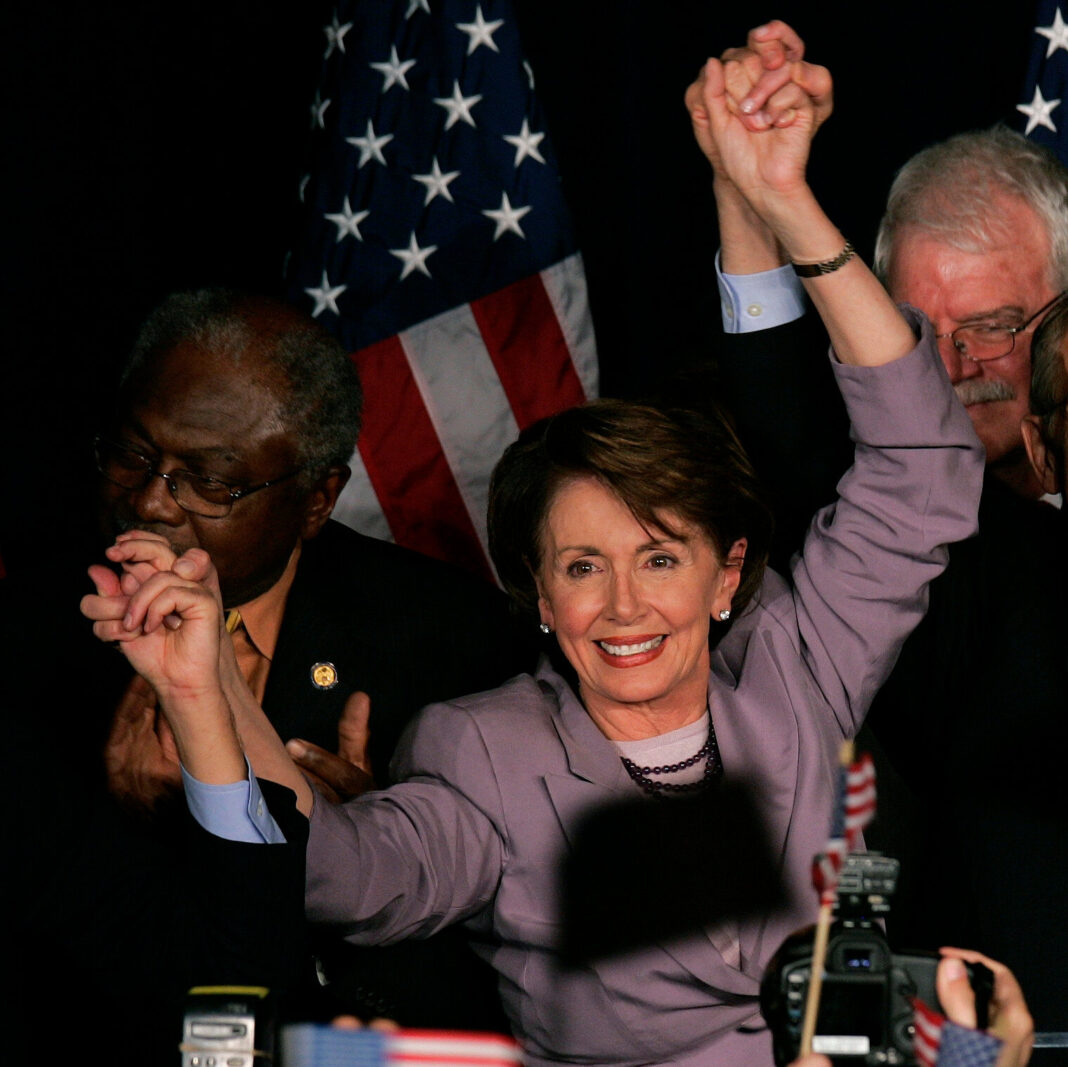
With an unpopular war and rising costs fueling voter frustration, both parties see echoes of the 2006 midterm cycle. That year, Democrats swept both chambers of Congress in a decisive wave. But strategists warn that today’s political landscape differs significantly from two decades ago.
The 2006 election was defined by public anger over the Iraq War and economic anxiety. Republicans lost 30 House seats and six Senate seats, handing control to Democrats. Current polling shows similar discontent, with inflation and overseas conflicts dominating voter concerns.
Democratic operatives point to a familiar energy among their base. They see suburban voters and independent moderates drifting away from the Republican Party, much as they did in 2006. Fundraising numbers and special election results have fueled optimism within the party.
Republican strategists, however, note critical differences in the electorate. The political map has become more polarized, with fewer competitive districts and states. Turnout patterns among rural and working-class voters have shifted, making a national wave harder to replicate.
Another major change is the media environment. In 2006, local news and a handful of cable channels shaped the narrative. Today, fragmented digital platforms and social media amplify different messages to distinct audiences, complicating any unified national shift.
Demographic changes also play a role. The electorate is more diverse, with younger voters prioritizing climate and social issues alongside economic ones. But shifts in Latino and Asian American voting patterns add unpredictability to current forecasts.
Candidate quality remains a wild card. In 2006, Republicans faced scandals and weak incumbents. This year, both parties have struggled with primaries that produced polarizing nominees, which could blunt a potential wave.
Internal party divisions add further friction. Republican factions clash over spending and foreign policy, while Democrats face pressure from their progressive wing. These internal battles could suppress turnout or energize opposition.
Early voting data and generic ballot polls suggest a competitive environment. Yet core indicators, such as presidential approval and consumer confidence, point to a challenging season for the party in power.
History rarely repeats exactly. Analysts caution against assuming 2006 provides a clear blueprint. Structural changes in fundraising, redistricting, and voter behavior mean this cycle could produce a different outcome.
The final months will test whether similar anger translates into similar results. Both parties see the parallels, but they also recognize the rules have changed. The only certainty is a volatile and unpredictable autumn ahead.