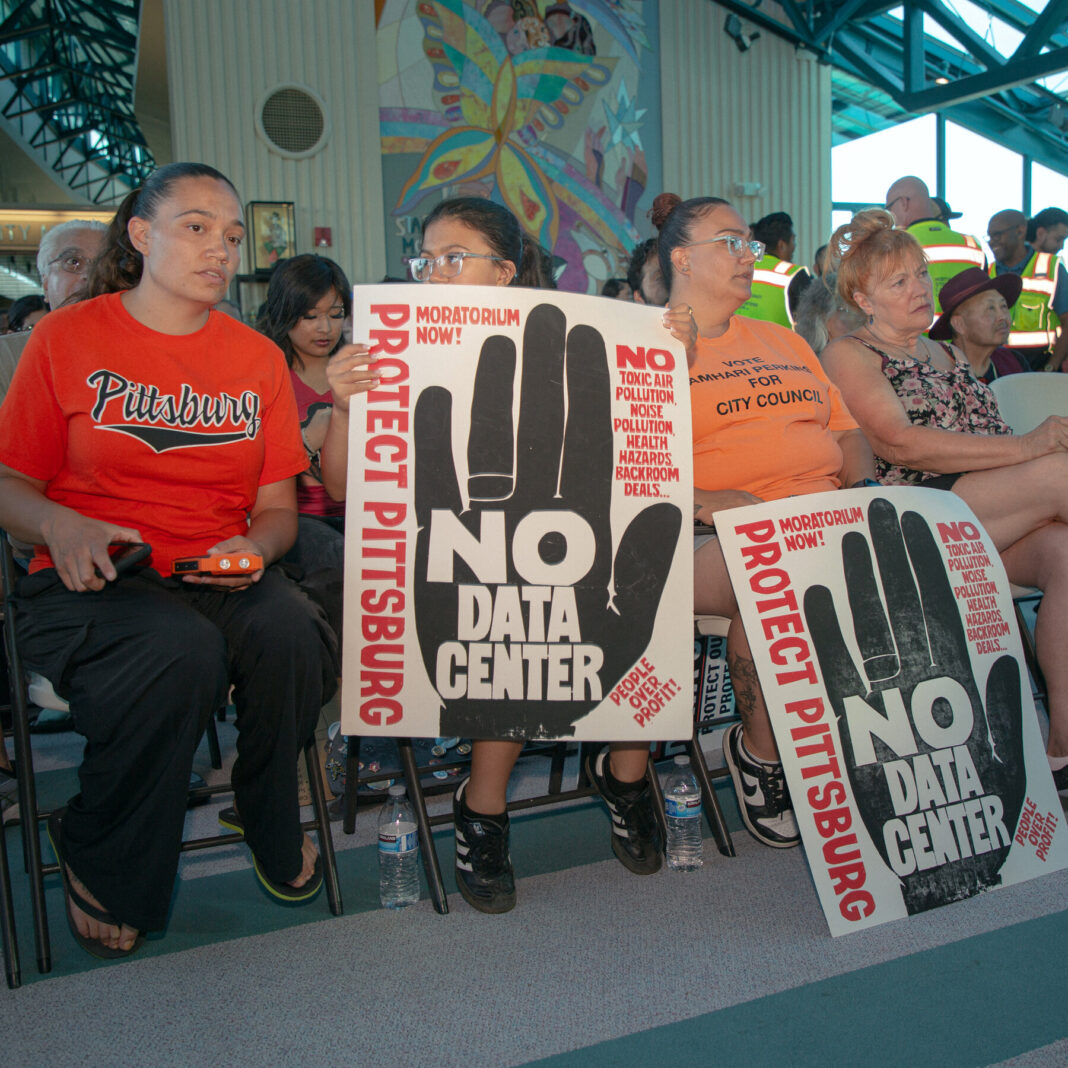
Local opposition to data centers has moved from community meetings to the campaign trail. Candidates in competitive races are now staking out positions against new developments, with both parties responding to voter frustration.
The issue has become a central theme in several midterm contests. Democrats in swing districts are voicing concerns about energy consumption and water usage tied to large-scale facilities. A growing number of Republicans are also taking up the cause, citing property values and local infrastructure strain.
This bipartisan push reflects a broader shift in public sentiment. Residents in rural and suburban areas have raised alarms about noise, grid reliability, and environmental impact. The backlash marks a sharp turn from earlier years when data centers were welcomed as clean economic engines.
Energy demands are a core driver of the political response. Utilities in multiple states have reported that new facilities are forcing rate hikes and delaying grid upgrades. Lawmakers are now fielding questions about who bears the cost of expanded power generation.
The industry has pushed back, highlighting job creation and tax revenue. Company representatives argue that modern designs are more efficient and that data centers support essential digital services. They have also pledged to work with local officials on siting and sustainability.
Campaign ads and debates are reflecting the tension. Several candidates have released plans to restrict new permits or impose stricter review processes. Others are calling for moratoriums until state-level energy and water studies are completed.
The outcome of these races could shape future policy decisions. A wave of new officials opposed to data centers might slow permitting or introduce new fees. At the same time, industry lobbyists are ramping up outreach to counter the political momentum.
Voter attention on the issue remains high, particularly in regions with multiple active projects. Neither party has embraced a unified position, leaving room for local variations. The midterms will likely serve as a testing ground for how this controversy influences electoral outcomes.
For communities, the debate centers on balancing growth with quality of life. The coming months will show whether political opposition translates into lasting regulatory change. For now, the data center backlash has firmly entered the public arena.