Mexican cuisine in the United States stretches far beyond tacos and burritos, and a new survey highlights the depth and breadth of that culinary landscape. From the seafood-rich shores of Sonora to the slow-cooked carnitas of Michoacán, the list identifies 41 restaurants that define regional excellence. Diners across the country can now find authentic chalupas from Puebla and other specialty dishes without boarding a plane.
The selection emphasizes regional diversity, moving past the Tex-Mex staples that often dominate the American perception of Mexican food. Each restaurant on the list was chosen for its fidelity to specific state-level traditions and cooking methods. This approach brings lesser-known culinary practices into the national spotlight, offering a more complete picture of Mexico’s gastronomic map.
Seafood from Sonora takes a prominent place, with establishments showcasing the state’s signature preparations of shrimp and fish. These dishes often rely on simple, fresh ingredients and techniques passed down through generations. The inclusion of such options signals a growing appetite for coastal Mexican flavors in the U.S. market.
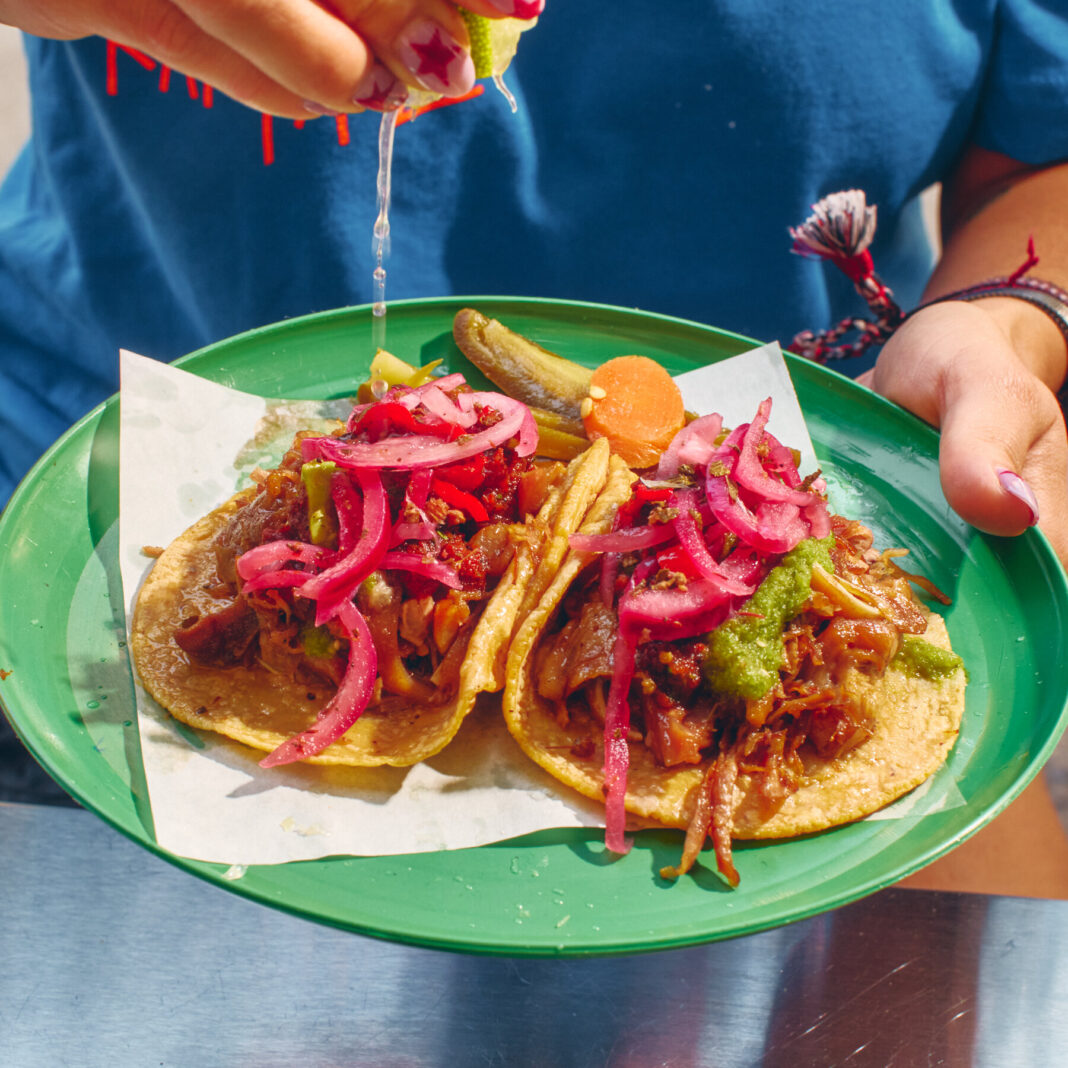
Carnitas from Michoacán represent another cornerstone of the list, with restaurants specializing in the slow-braised pork that defines the region’s cooking. The process involves simmering meat in its own fat until tender, a method that yields a distinct texture and richness. Diners seeking this authentic preparation can find it at select locations known for their dedication to tradition.
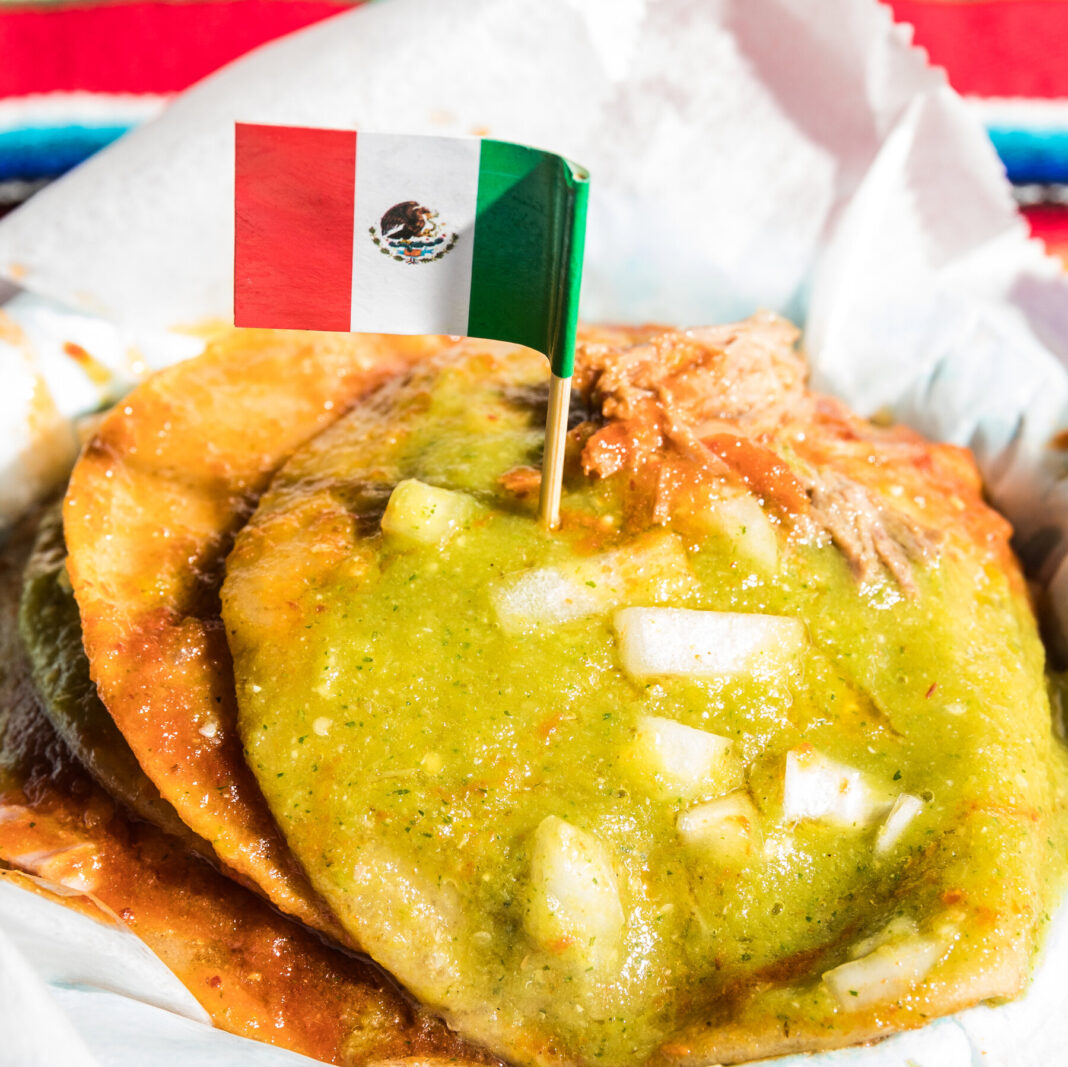
Puebla’s chalupas, a thick tortilla topped with salsa and shredded meat, also earn recognition. These handheld dishes are a street-food staple in their home state and require careful attention to texture and seasoning. Their presence on the list underscores the importance of regional street food in the broader Mexican culinary identity.
The restaurants span the country, from coastal cities to inland hubs, ensuring that diners in various regions can access these offerings. While some are long-established institutions, others represent a newer wave of chefs committed to preserving and innovating upon traditional recipes. This mix of old and new keeps the cuisine dynamic and evolving.
For those unfamiliar with these regional styles, the list serves as a practical guide for exploration. It encourages a shift away from generic menus and toward specific, place-based dining experiences. The result is a richer understanding of what Mexican food can be in the United States today.
Ultimately, the collection reflects a broader trend in American dining: a move toward authenticity and regional precision. As more restaurants embrace these standards, the gap between traditional Mexican cooking and its American interpretations continues to narrow. The list offers a starting point for anyone ready to taste that difference firsthand.