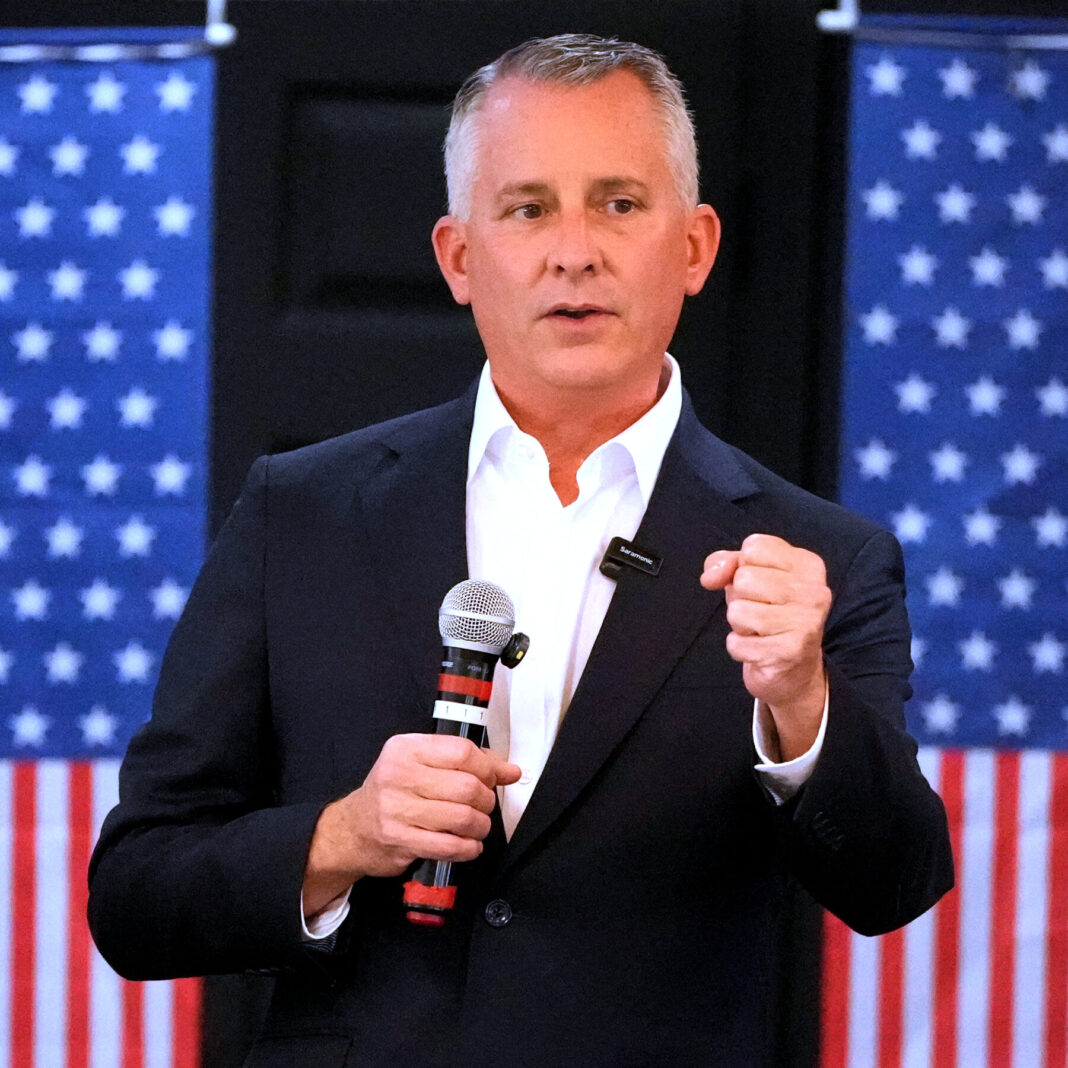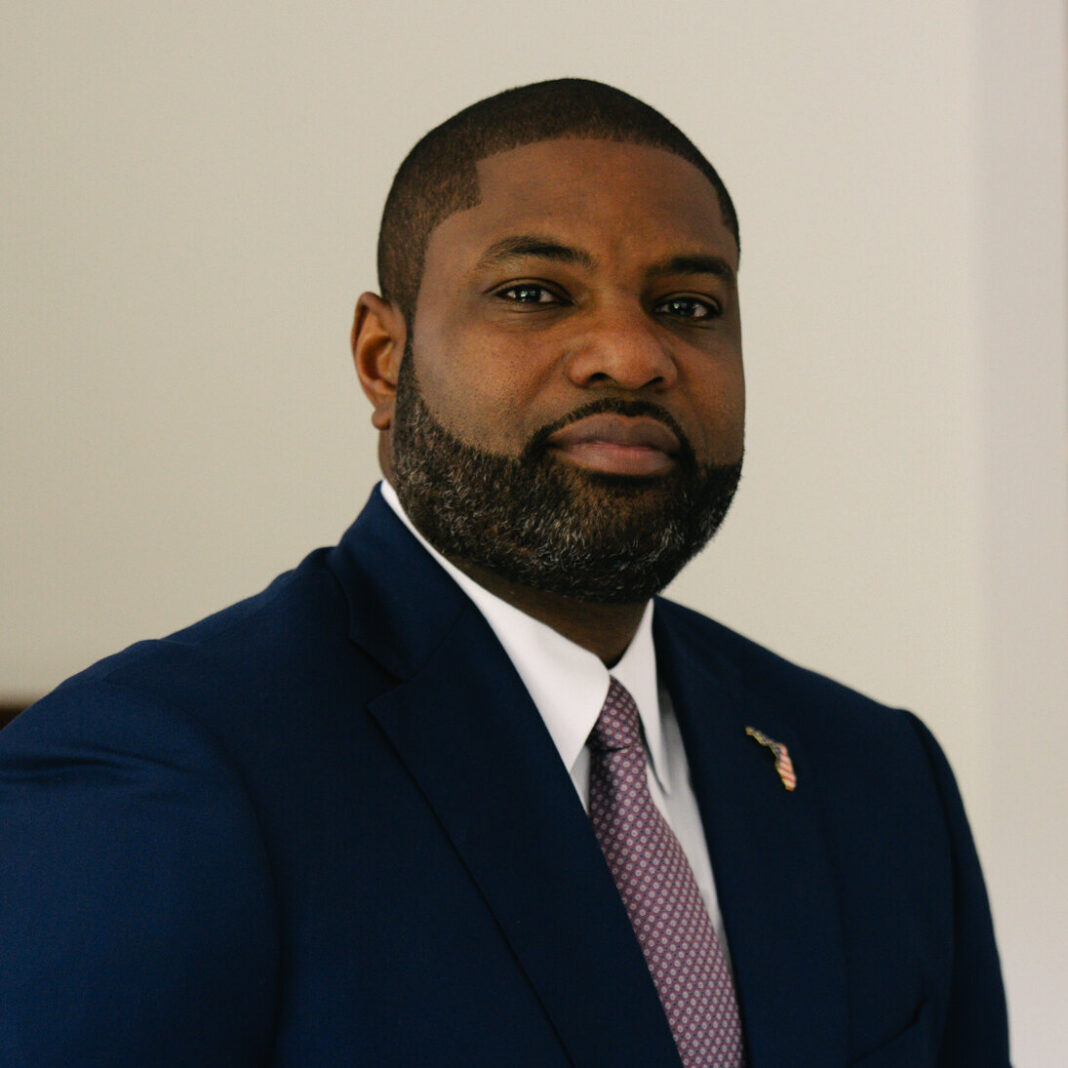
Representative Byron Donalds has secured the Republican nomination for Florida governor, cementing his rise from a conservative outsider in Congress to a leading state figure. His campaign has leaned heavily on his allegiance to former President Donald Trump, a strategy that proved decisive in the primary. Donalds first gained national attention as a rare Black conservative voice in the House, often breaking with his party’s traditional messaging.
His political trajectory accelerated after joining Congress in 2021, where he quickly aligned with the Trump wing of the GOP. That loyalty has translated into key endorsements and fundraising advantages, overshadowing his earlier legislative work. On the campaign trail, Donalds has focused on education reform, immigration enforcement, and tax cuts, mirroring national Republican priorities.
Opponents have criticized his voting record on social programs, pointing to his opposition to expanded healthcare subsidies. Supporters counter that his fiscal conservatism appeals to a growing suburban base in Florida. Donalds has also emphasized his biography, frequently citing his working-class upbringing in Brooklyn as a contrast to career politicians.
The general election will test whether his Trump-aligned platform can win over independent voters in a state with shifting demographics. Polls show a tight race, with Donalds trailing slightly among Hispanic voters in the southern counties. His campaign has promised aggressive outreach in those regions, aiming to replicate Trump’s 2020 performance.
Donalds faces a Democratic opponent who has hammered him on abortion rights and hurricane recovery funding. He has responded by framing the race as a choice between stability and progressive overreach. Local GOP leaders view him as a disciplined candidate who rarely deviates from prepared remarks.
Observers note that his nomination marks a shift for Florida Republicans, who previously favored more moderate figures. His rise signals the party’s continued embrace of Trumpism, even as some national strategists warn of electoral risks. The upcoming debates will likely focus on his voting record and his ability to articulate a vision beyond loyalty.
If elected, Donalds would become the state’s first Black governor, a milestone he has mentioned selectively on the stump. He has distanced himself from identity politics, instead urging voters to judge him on results. His campaign’s final stretch will hinge on turnout in conservative strongholds like the Panhandle and central Florida.