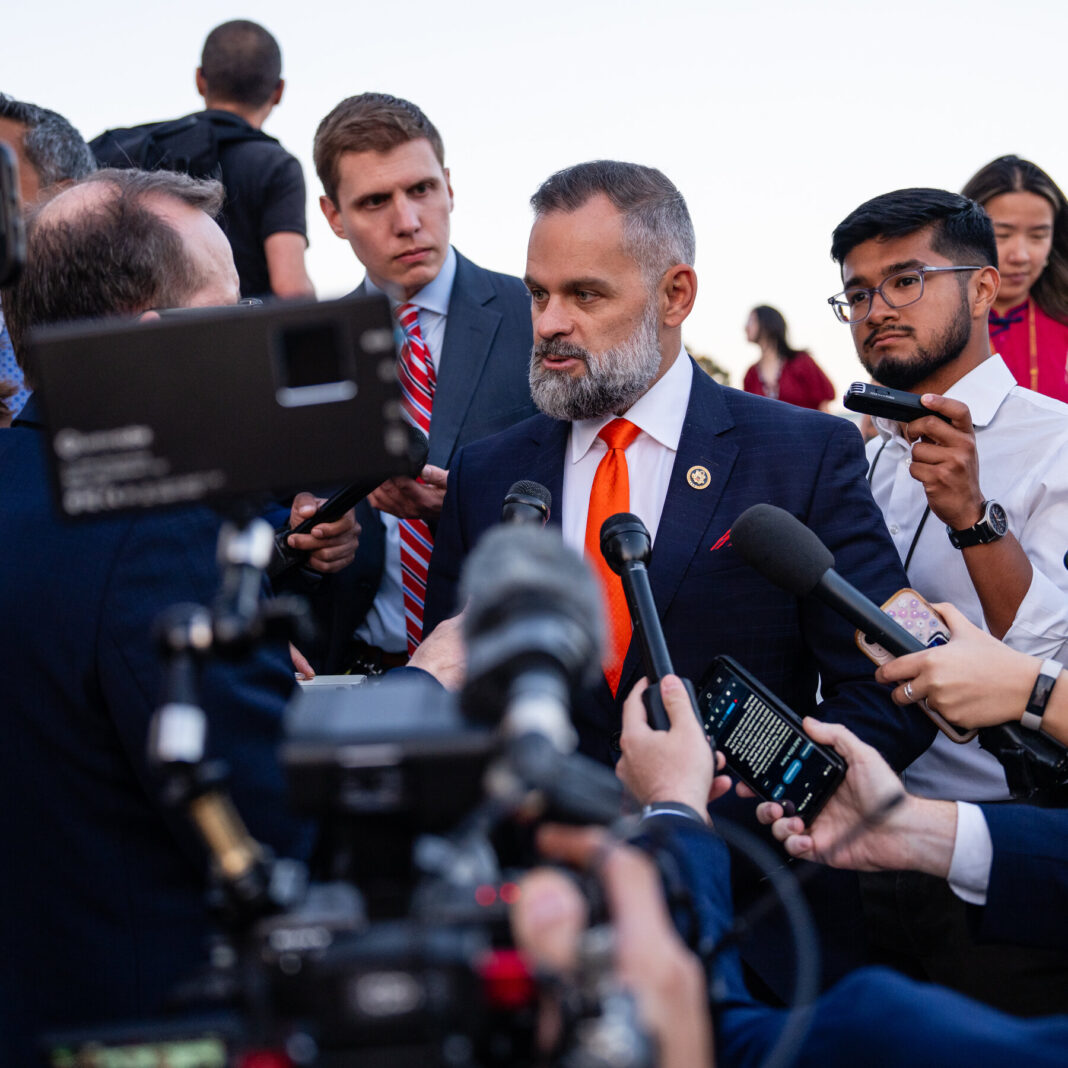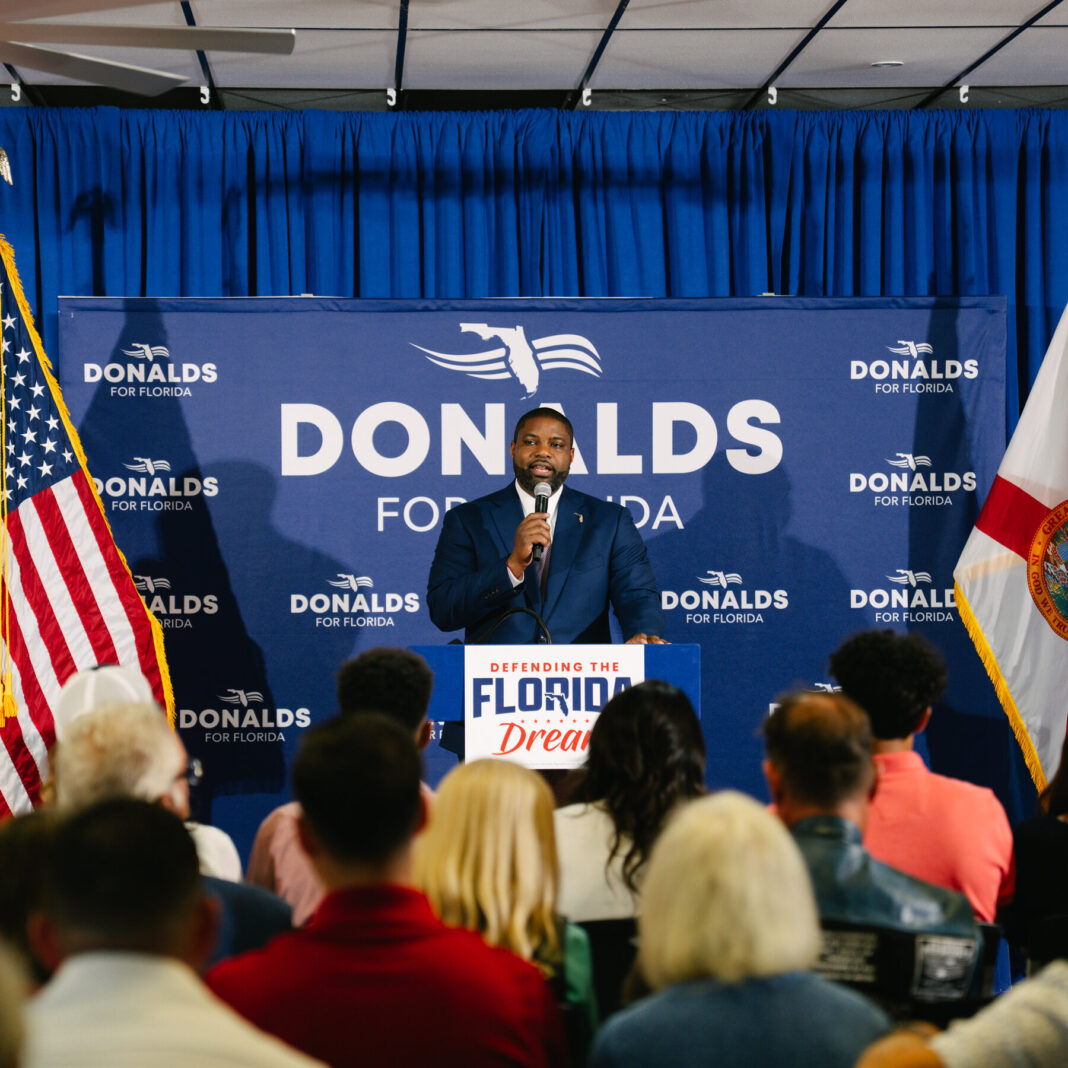
Byron Donalds secured the Republican nomination for Florida governor on Tuesday, defeating several primary challengers in a race defined by his alliance with former President Donald Trump. The conservative congressman from Naples now advances to the general election as the party’s standard-bearer.
Donalds, who has represented Florida’s 19th Congressional District since 2021, leaned heavily on Trump’s endorsement throughout the campaign. His platform centered on school choice, tax cuts, and stricter immigration enforcement. He framed his candidacy as a continuation of the state’s conservative governance under current Governor Ron DeSantis.
The victory sets up a historic bid. If elected in November, Donalds would become Florida’s first Black governor. He highlighted that milestone in his victory speech, focusing on opportunity and economic growth rather than identity politics.
His primary win came after a crowded field that included state officials and business figures. Donalds outspent most rivals, with super PACs tied to national Republican donors funneling millions into his campaign. Polls in the final weeks showed him with a commanding lead, driven by high name recognition and Trump’s active campaigning on his behalf.
Democrats have already targeted Donalds’ voting record, particularly his positions on abortion and social spending. His general election opponent, likely a moderate Democrat from South Florida, will attempt to frame the race around affordability and insurance costs. Florida remains a competitive swing state, though recent statewide elections have favored Republicans.
Donalds now faces the challenge of broadening his appeal beyond the conservative base. He has signaled plans to focus on hurricane recovery, housing costs, and veterans’ services in the coming months. His campaign intends to hold town halls across the state to reach independent voters.
The general election is set for November 3. Political analysts view the race as a test of Trump’s enduring influence in Florida politics. Donalds’ performance could also shape national conversations about diversity within the Republican Party.