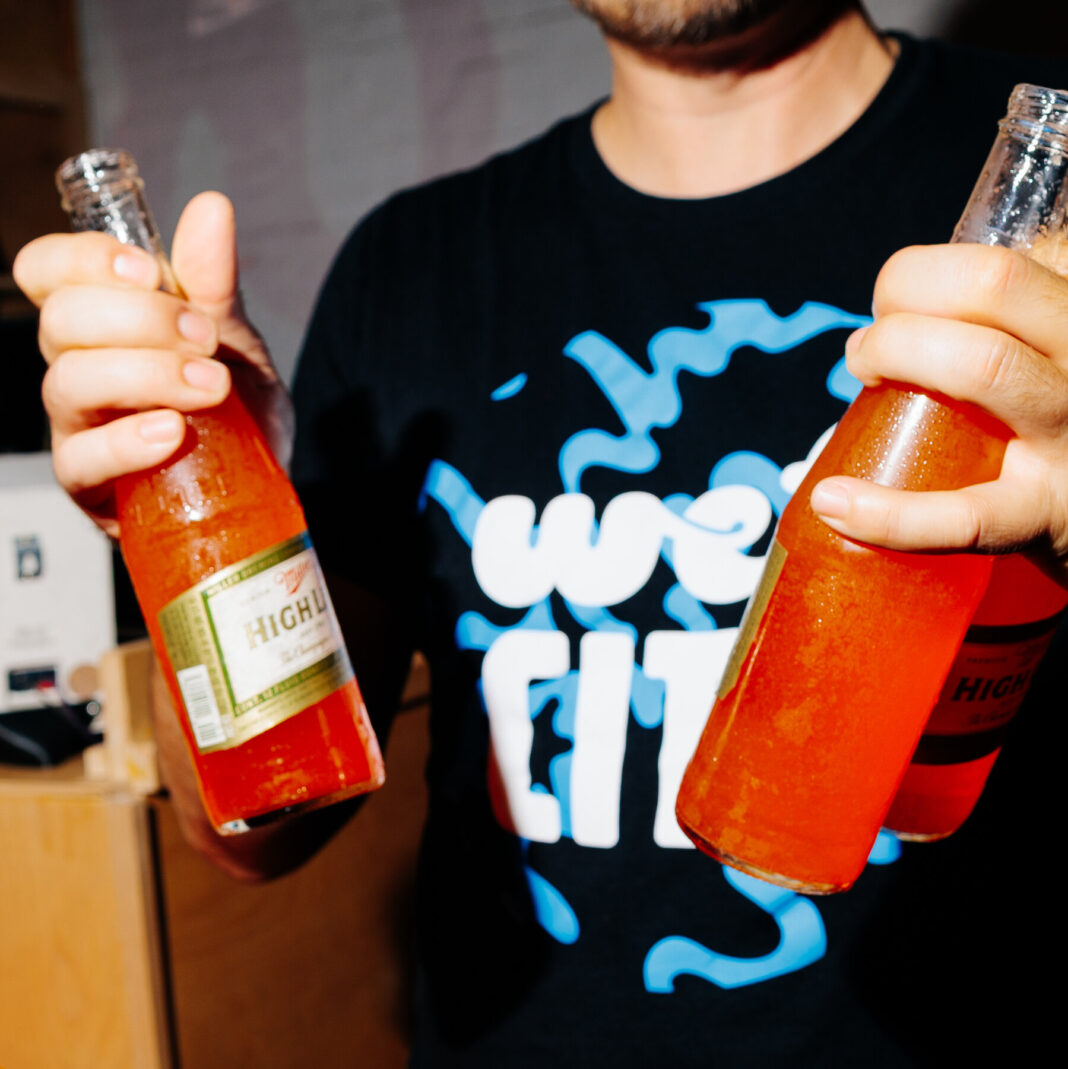
The Spaghett, a cocktail defined by its bright-red hue and sweet, citrusy flavor, has transitioned from a Baltimore staple to a global sensation. Originally a niche order in the city’s bars, the drink is now found on menus across the country and beyond. Its journey from local novelty to international mainstay highlights a shifting taste for approachable, high-alcohol beverages.
The drink’s core recipe is deceptively simple, combining a lager or beer with a shot of sweet, red berry-flavored liqueur. This mixture produces a vibrant color and a flavor profile that masks the alcohol’s harshness, making it an easy entry point for many drinkers. The simplicity of the recipe has likely contributed to its rapid spread, as it requires no specialized equipment or rare ingredients.
Baltimore’s local bar scene served as the initial testing ground for the cocktail, where it built a loyal following. Bartenders in the city report that the drink’s popularity grew steadily through word of mouth before breaking into the broader market. Its identity as a “Charm City special” gave it an authentic origin story, which added to its appeal for curious visitors.
The cocktail’s expansion appears tied to social media, where its striking appearance and simple preparation make it a natural fit for visual platforms. Posts featuring the drink’s distinctive color have likely accelerated its adoption in cities far from its Maryland roots. This digital spread marks a clear departure from the traditional regional cocktails of past decades, which often relied on tourism for exposure.
Industry observers note that the Spaghett fits a wider trend toward sweeter, fruit-forward drinks that prioritize drinkability. In a market that has seen a surge in low-alcohol and bitter offerings, this cocktail offers a counterpoint with its overt sweetness and higher proof. This positioning has allowed it to carve out a distinct niche among both casual and experienced drinkers.
Restaurants outside of Baltimore have adapted the drink in various ways, with some incorporating local beers or adjusting the liqueur ratio to suit their patrons. These variations have helped maintain interest while also testing the limits of how far the recipe can bend before losing its core identity. Despite these tweaks, the essential elements—beer, red liqueur, and a lemon squeeze—remain consistent in most versions.
Sales data from major beverage distributors indicate a steady increase in orders for the key liqueur used in the drink, suggesting its growth is more than just a passing fad. Distributors in multiple states have reported year-over-year volume increases that align with the cocktail’s rising profile. This commercial backing provides a strong signal that the Spaghett is securing a permanent place in the American drinking canon.
The cocktail’s success also raises questions about the future of regional specialties in an interconnected market. If a beer-based drink from Baltimore can achieve national recognition, other local creations may soon follow a similar path. For now, the Spaghett stands as a testament to the power of a simple, social, and visually memorable drink.
As the drink continues to appear on more menus, its Baltimore origins remain a central part of its story. The city’s bars, once the only place to find the drink, now serve as a pilgrimage site for those wanting the original experience. Whether this popularity will endure or fade remains to be seen, but its current trajectory shows no signs of slowing down.