A massive $50 billion repair backlog is plaguing federal buildings across the United States. The problem stems from decades of deferred maintenance on government-owned properties.
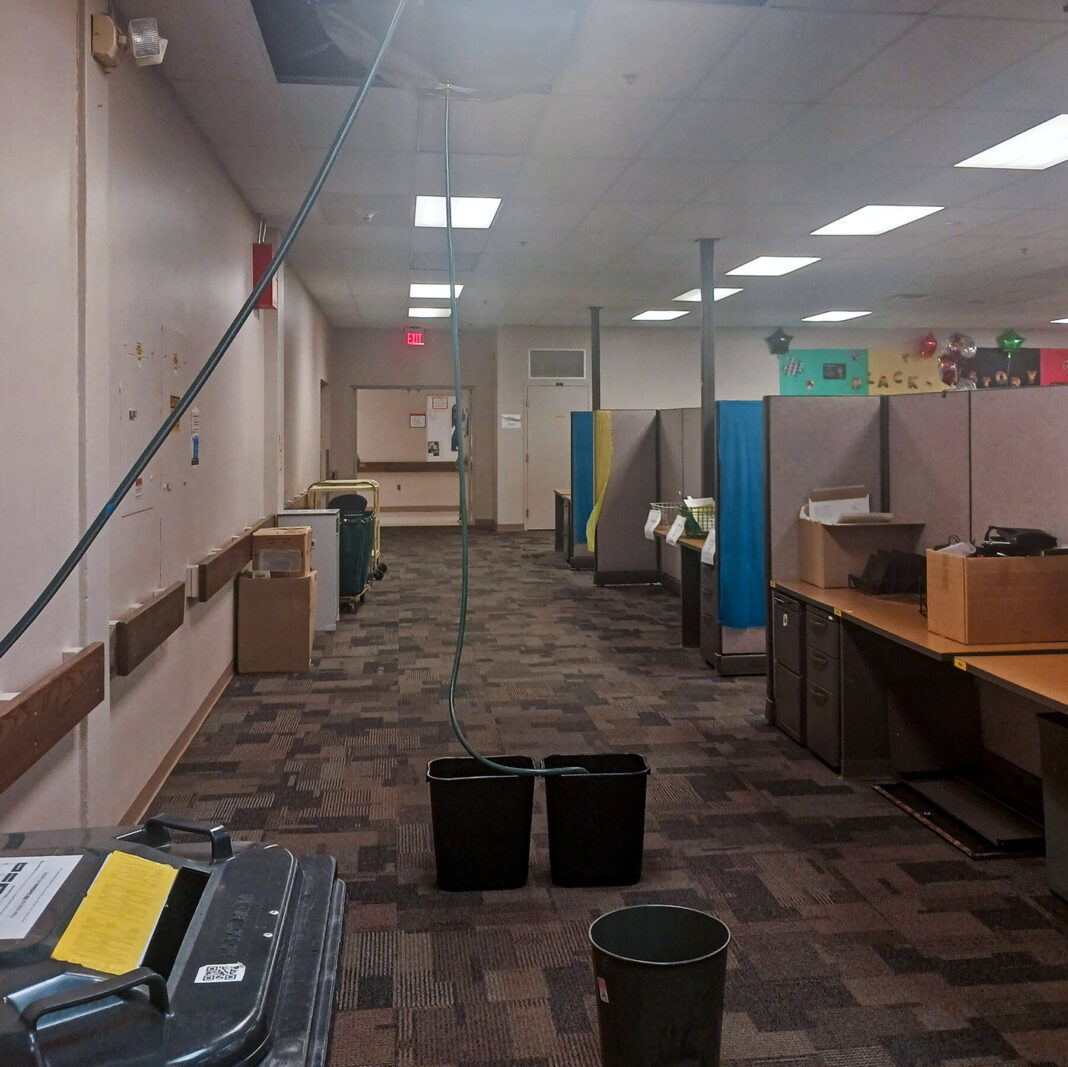
Leaking roofs, broken elevators, and rodent infestations have become common issues in these structures. The deteriorating conditions affect both employee safety and public access to services.
The process of securing repair funds from Congress has proven to be a lengthy and complex task. Lawmakers require detailed justifications and extensive paperwork before approving maintenance budgets.
Aging infrastructure in federal buildings includes failing HVAC systems and outdated electrical wiring. These problems create hazardous environments and increase long-term operational costs.
Employees in affected facilities have reported working in uncomfortable and sometimes unsafe conditions. The backlog impacts morale and productivity across multiple government agencies.
The estimated $50 billion figure covers essential repairs needed nationwide. This total continues to grow as buildings age without proper upkeep.
Congressional committees have held hearings on the issue, but funding requests face stiff competition from other priorities. Bipartisan efforts to streamline the repair funding process have stalled repeatedly.
Agency officials argue that preventive maintenance would reduce costs over time. They emphasize that waiting for failures often leads to more expensive emergency repairs.
The backlog includes security upgrades and accessibility improvements required by law. These mandated fixes add to the total financial burden facing federal property managers.
Without a consistent funding stream, the cycle of deferred maintenance is expected to continue. The nation’s federal building inventory will likely see further deterioration unless Congress acts.