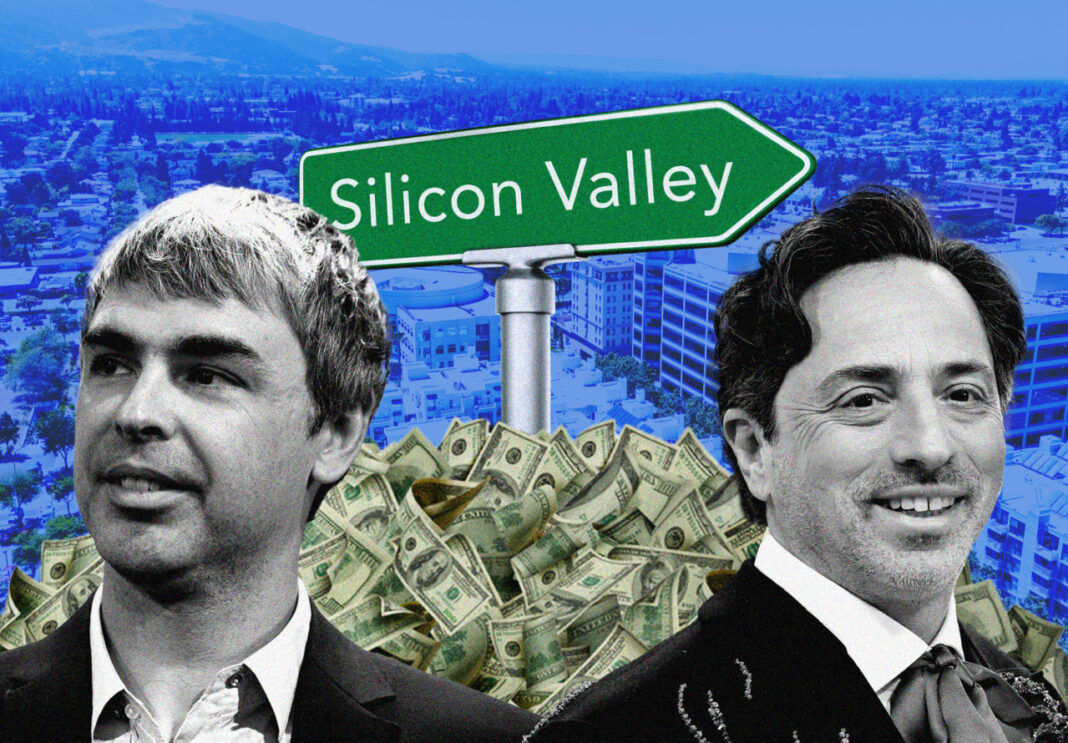
Silicon Valley’s technological foundation was largely built on public investment. Government research grants, university partnerships, and taxpayer-funded infrastructure helped create the ecosystem today’s tech giants dominate.
Now, as California considers a new billionaire tax to fund education and housing, many elite tech figures oppose the measure. Critics argue the industry has turned against the public system that supported its rise.
The author of “Cyberselfish” notes that some tech leaders believe taxes are for “little people.” This attitude reflects a broader disconnect between the industry’s origins and its current political stance.
The proposed tax would apply to net worth over $1 billion, generating billions in annual revenue. Supporters argue it would help address the state’s growing inequality and housing crisis.
Technology companies have spent heavily on lobbying against the measure. Public records show millions of dollars in contributions aimed at blocking the proposal’s progress.
Industry defenders counter that high taxes drive talent and innovation away from California. They point to recent business relocations to Texas and other states as evidence.
The debate highlights a deeper tension. Silicon Valley prospered through collective investment, but now resists paying back into the system that enabled its success.
Observers note this conflict is not unique to California. Similar battles over taxation and corporate responsibility play out globally as technology wealth grows.
The outcome of California’s billionaire tax vote will signal whether public sentiment shifts toward holding the industry accountable for its public debt.