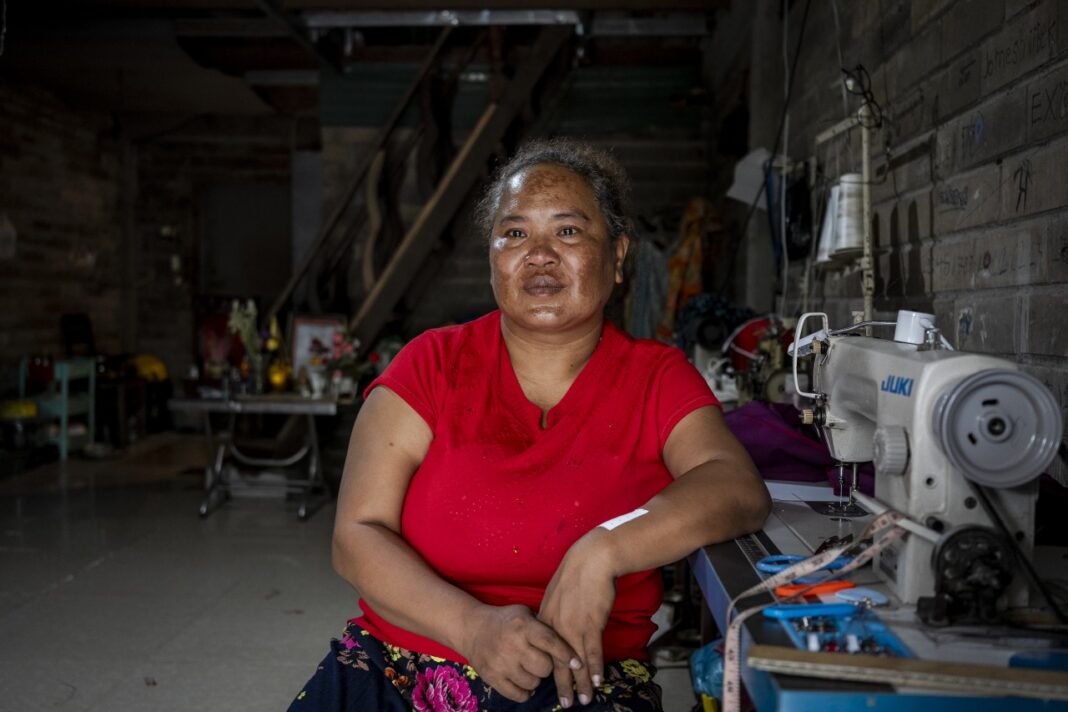
Hundreds of billions of dollars in microfinance loans have failed to reduce global poverty, according to a new analysis. The lending model, which provided small loans to entrepreneurs in developing nations, was promoted as a tool for economic empowerment.
Instead of fostering prosperity, microfinance often stoked hardship for borrowers who took on debt they could not afford. Many recipients used the funds for consumption rather than business investment, undermining the program’s original intent.
The scale of lending reached vast proportions over the past two decades. Institutions disbursed hundreds of billions of dollars in small loans across dozens of countries. Despite this massive capital flow, poverty rates remained stubbornly high in many of these regions.
Researchers found that repayment pressures created financial strain for vulnerable households. Borrowers sometimes sold assets or cut essential spending to meet loan obligations. This cycle of debt deepened financial insecurity rather than alleviating it.
The microfinance industry grew rapidly with support from governments and philanthropists. Advocates argued that small loans could unlock entrepreneurial potential and lift communities out of poverty. The evidence now suggests the model fell short of its promises.
Critics point to a lack of oversight and a focus on repayment rates rather than borrower welfare. Lenders often prioritized financial sustainability over social impact, leading to aggressive collection practices. The results highlight the risks of scaling financial tools without adequate safeguards.
Regulators and development agencies are now reexamining microfinance policies. Some propose shifting toward grants, savings programs, or more flexible lending terms. The goal remains to find effective ways to support economic growth without burdening the poor with unmanageable debt.
The findings serve as a cautionary tale for other financial inclusion initiatives. Success requires more than just access to capital—it demands responsible lending and a clear path to sustainable income. The microfinance experience underscores the complexity of fighting poverty through credit alone.