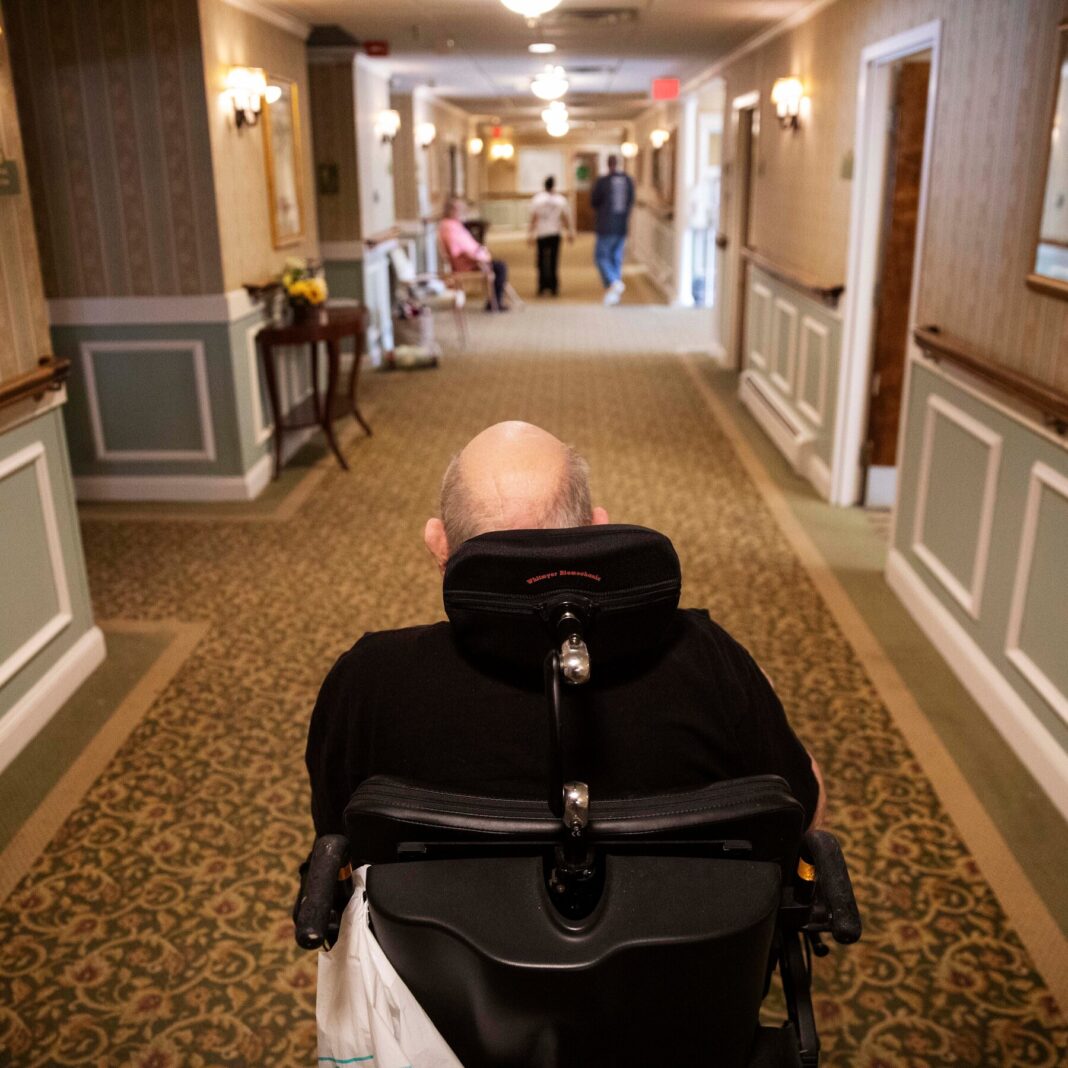
Medicare Advantage plans frequently deny seniors access to specialized nursing home and inpatient rehabilitation services, according to two new reports from U.S. investigators.
The findings highlight a pattern of quick rejections for short-term care requests. Patients often need these services after hospital stays for recovery or therapy.
Investigators examined internal data from several major Medicare Advantage insurers. The reports show denial rates for skilled nursing facility care are significantly higher than in traditional Medicare.
Some plans automatically deny initial requests without full medical review. This forces patients and families to navigate lengthy appeal processes to receive necessary care.
Critics argue these practices prioritize cost savings over patient health. Medicare Advantage plans receive fixed payments per member, creating incentives to limit expensive services.
Traditional Medicare, in contrast, typically approves such care when doctors deem it medically necessary. The difference in approval rates raises questions about patient access across the system.
The reports did not name specific insurers but noted widespread issues across the industry. Lawmakers have called for greater oversight of Medicare Advantage plan practices.
Consumer advocates urge seniors to carefully review plan details before enrollment. They also recommend appealing any denied care requests promptly.
The findings add to growing scrutiny of Medicare Advantage, which now covers more than half of all Medicare beneficiaries. Regulators may face pressure to tighten rules for plan approvals.