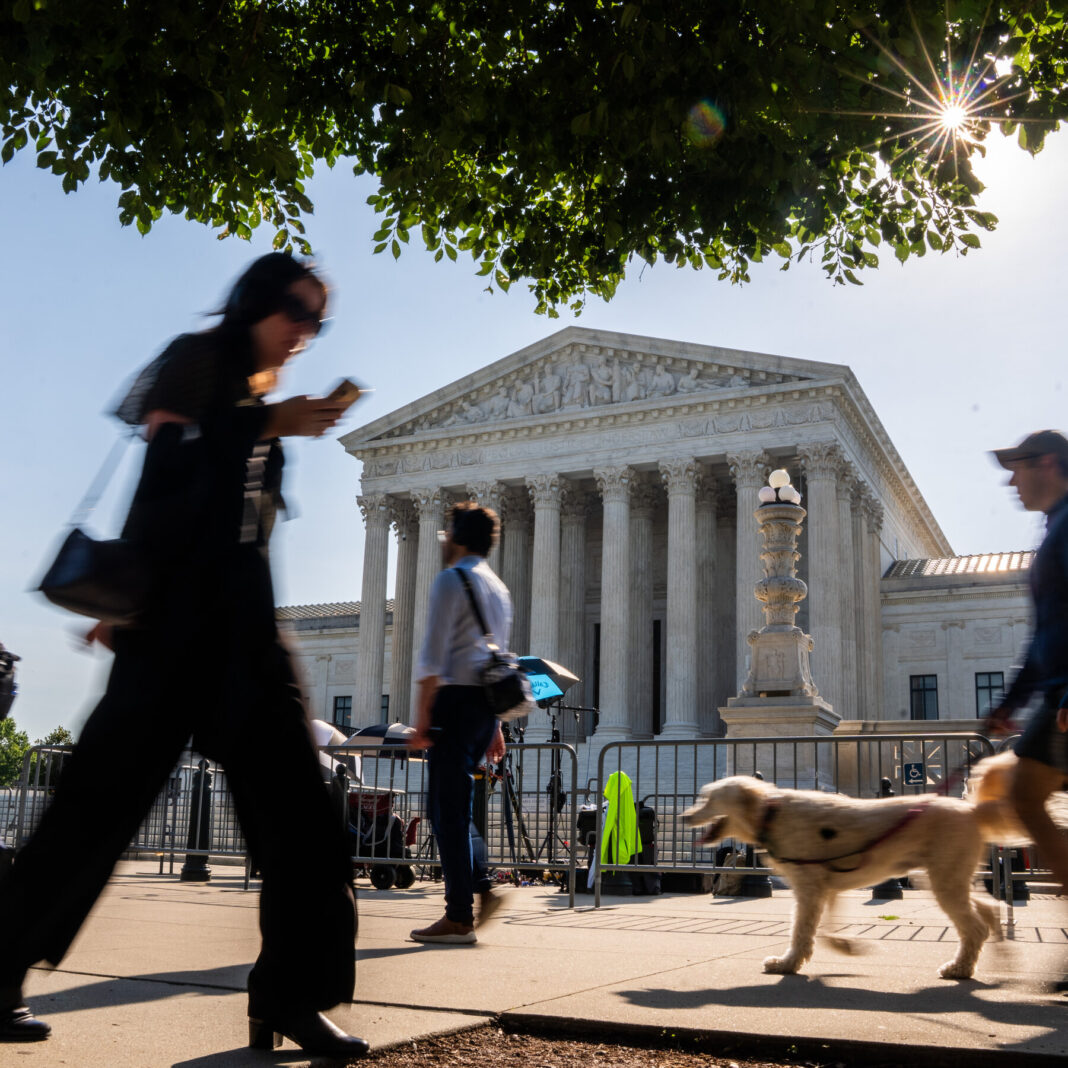
The Supreme Court’s decision on birthright citizenship was far closer than many expected, legal scholars say. A slim majority of justices ruled President Trump’s executive order unconstitutional.
The 5-4 ruling revealed a significant conservative shift on the issue. Historically, birthright citizenship enjoyed broad bipartisan support in the courts.
Justice Sonia Sotomayor wrote the majority opinion. She argued the 14th Amendment clearly guarantees citizenship to anyone born on U.S. soil.
The four conservative justices dissented, signaling a new legal interpretation. Their position could influence future challenges to citizenship laws.
Legal analysts noted the ruling marked a departure from settled precedent. The decision exposed deep ideological divisions on the bench.
The case centered on Trump’s 2025 executive order. It sought to deny citizenship to children of undocumented immigrants.
Supporters of the order argued for a narrower reading of the amendment. They claimed it only applied to those subject to U.S. jurisdiction.
Opponents warned the order would create a permanent underclass. They celebrated the court’s defense of constitutional protections.
The ruling has immediate implications for thousands of families. It also sets the stage for ongoing debates over immigration policy.