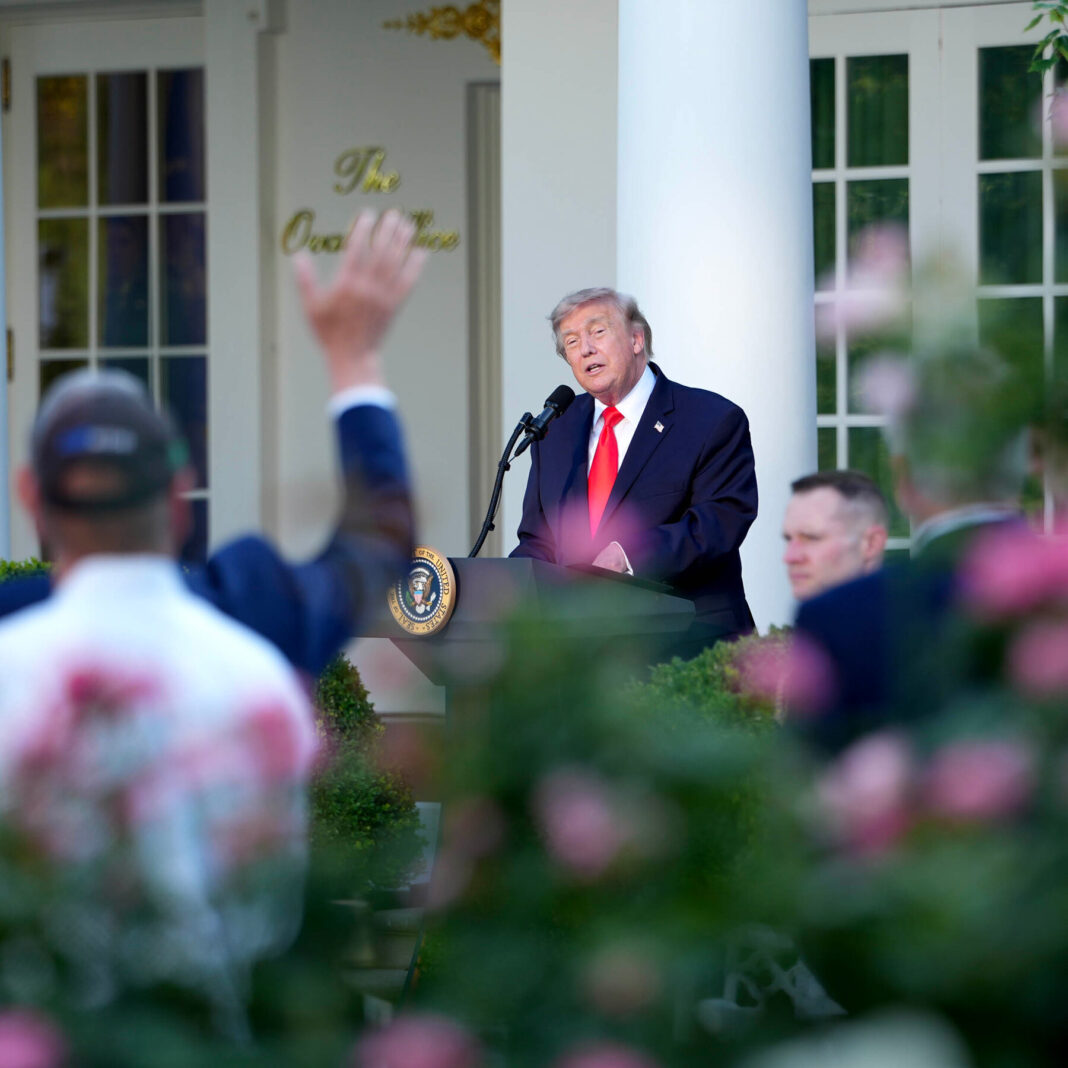
Former President Donald Trump often weaves vivid tales about American history, but fact-checkers frequently find those stories stray from the truth.
Trump’s historical claims range from the Battle of Gettysburg to the Unabomber, creating narratives that are more fiction than fact.
In one instance, Trump described the 1863 Battle of Gettysburg in ways that contradict standard historical records.
He has also made false statements about the Unabomber, Ted Kaczynski, distorting key details of the case.
Fact-checkers have consistently flagged these inaccuracies, noting that Trump disregards established timelines and events.
The president’s tendency to embellish history is not new, but it carries weight when shaping public perception.
His accounts often prioritize entertainment over accuracy, blurring the line between fact and folklore.
This pattern raises concerns about how historical misinformation spreads in political discourse.
Experts warn that such narratives can erode trust in reliable sources of history.
Trump’s colorful storytelling may engage audiences, but it comes at the cost of truth.
Each fact-check reveals a gap between his version of events and what actually happened.
The result is a public conversation where history becomes a tool for persuasion rather than education.