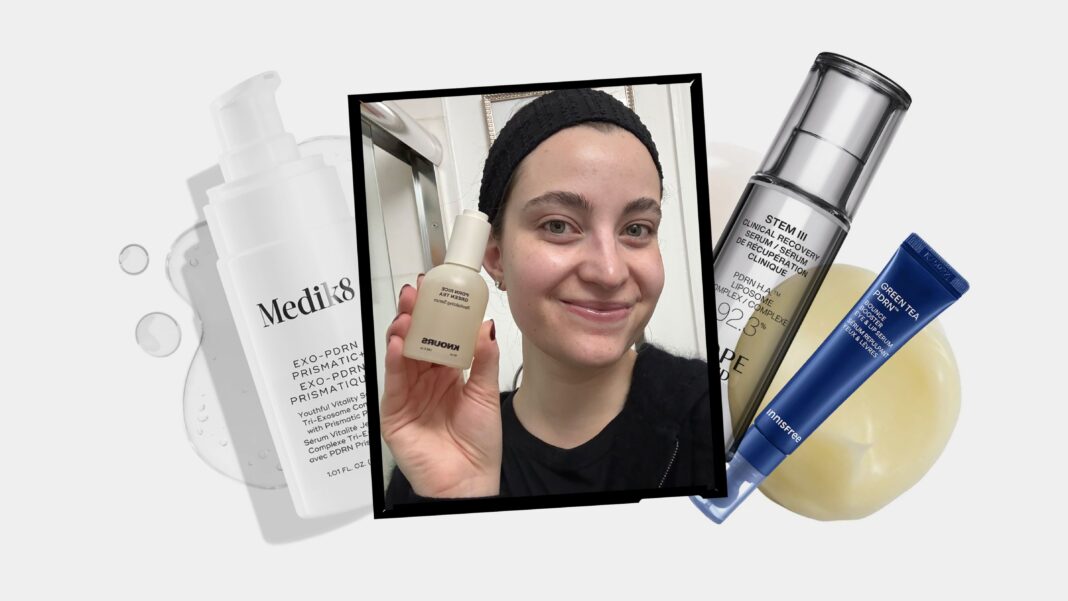
**PDRN Serums Gain Traction as a Top Skincare Ingredient**
Dermatologists and beauty editors are increasingly recommending PDRN serums, a K-beauty ingredient traditionally derived from salmon DNA. The compound, known for its regenerative properties, is now generating significant buzz in the skincare industry.
PDRN, short for polydeoxynucleotide, helps stimulate cell growth and repair damaged skin. This makes it particularly effective for treating signs of aging, such as fine lines and wrinkles. Experts note that the ingredient also improves skin texture and hydration.
The serums work by promoting collagen production and reducing inflammation. This dual action appeals to those seeking both anti-aging and soothing benefits. Many users report visible improvements in skin firmness and elasticity after consistent use.
Dermatologists emphasize the ingredient’s safety profile, except for individuals with salmon allergies. PDRN is generally well-tolerated across various skin types, including sensitive skin. This broad compatibility contributes to its growing popularity.
Beauty editors highlight several standout products in the current market. These serums often feature high concentrations of PDRN alongside complementary ingredients like hyaluronic acid or peptides. Such formulations aim to maximize results without causing irritation.
The trend reflects a broader shift toward science-backed skincare. Consumers are increasingly seeking products with proven regenerative capabilities rather than temporary cosmetic fixes. PDRN serums align with this demand by offering tangible, long-term benefits.
For optimal results, experts recommend applying PDRN serums after cleansing and before moisturizing. Consistent nightly use is advised for at least four to six weeks to see noticeable changes. The routine integrates easily into most existing skincare regimens.
As the ingredient continues to gain mainstream attention, more brands are likely to develop PDRN-infused products. This expansion will provide consumers with a wider range of options at various price points. The future of regenerative skincare appears promising.