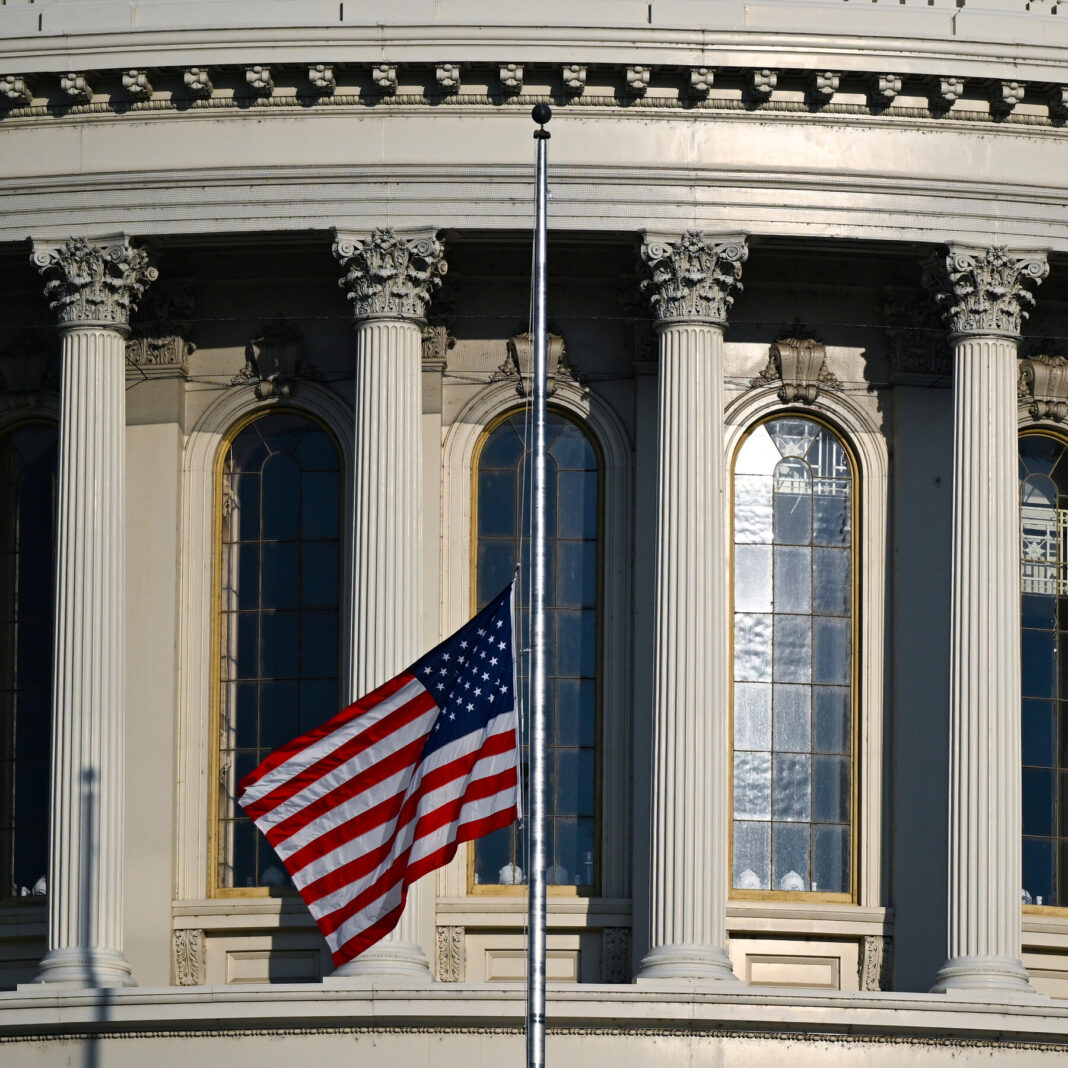
Senators returned to the Capitol this week mourning the death of Senator Lindsey Graham, a key figure whose loss complicates the Republican legislative agenda. Graham played pivotal roles on multiple issues confronting lawmakers, including defense spending, immigration reform, and judicial confirmations.
His absence leaves the GOP with a narrower majority, making party-line votes more precarious. Graham often served as a bridge between conservative hardliners and more moderate factions, a dynamic now unsettled.
The senator’s death also disrupts ongoing negotiations over a major defense policy bill he helped craft. His knowledge of military and foreign affairs was widely respected, amplifying the void on the Senate Armed Services Committee.
Republican leaders now face the challenge of reassigning Graham’s committee posts and legislative responsibilities. This could slow progress on key priorities ahead of fast-approaching deadlines.
Democrats are likely to leverage the changed power balance in procedural votes. A tighter majority could force more bipartisan deals, altering the legislative landscape.
Beyond committee work, Graham’s personal relationships with colleagues often smoothed contentious debates. His absence removes a consensual voice in an already divided chamber.
The party must now rally around remaining leaders to maintain momentum on its agenda. Whether they can do so without Graham’s influence remains an open question.