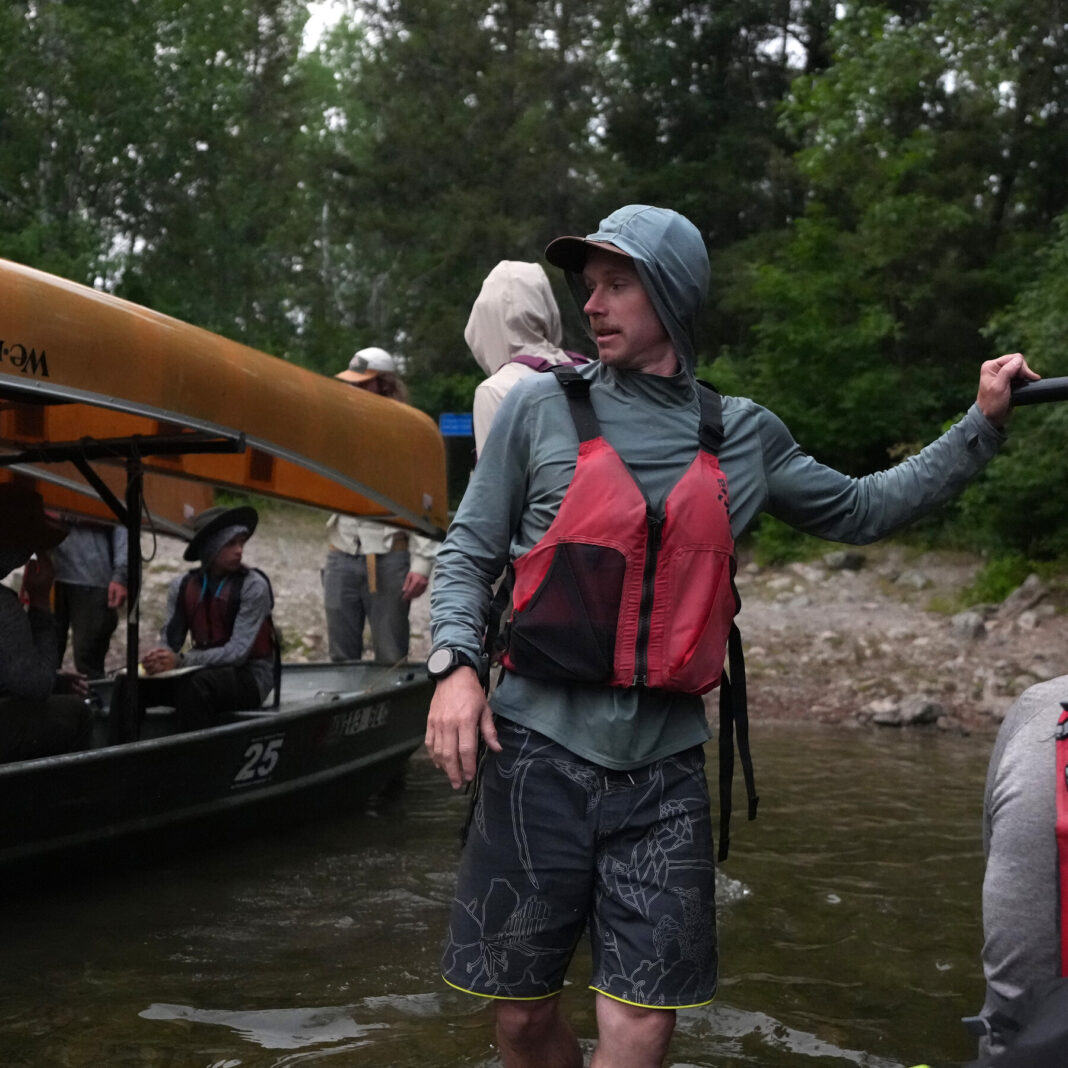
Wildfire smoke has forced the closure of several national parks and public lands across the Midwest. Officials cite unhealthy air quality as the primary reason for the shutdowns. Visitors are encountering blocked entrances and altered itineraries.
Smoke drifting from large wildfires in Canada and the western United States has blanketed the region. Air quality indexes have reached hazardous levels in multiple states. Park management is prioritizing visitor and staff safety above all else.
Recommended limits on outdoor activities are now in effect for remaining open areas. Hiking, camping, and other strenuous exercises are discouraged. Those with respiratory conditions face heightened risks.
Several popular destinations have completely closed their gates to the public. This includes sections of the National Park Service and state-managed lands. Shuffled reservations and canceled trips are common.
Officials are advising travelers to check real-time air quality data before heading out. Many parks are updating their statuses hourly on official websites and social media. Flexibility in planning is essential this season.
The smoke is expected to persist as fire seasons grow longer and more intense. Climate patterns are contributing to drier conditions and larger burn areas. This trend suggests similar disruptions may recur.
Veteran visitors are shifting to indoor attractions and alternative regions with clearer air. Some are postponing trips entirely until conditions improve. Local businesses reliant on tourism are feeling the strain.
Travelers should prepare for sudden changes and potential refunds or credits. Booking with flexible cancellation policies is strongly recommended. The situation remains dynamic and unpredictable.