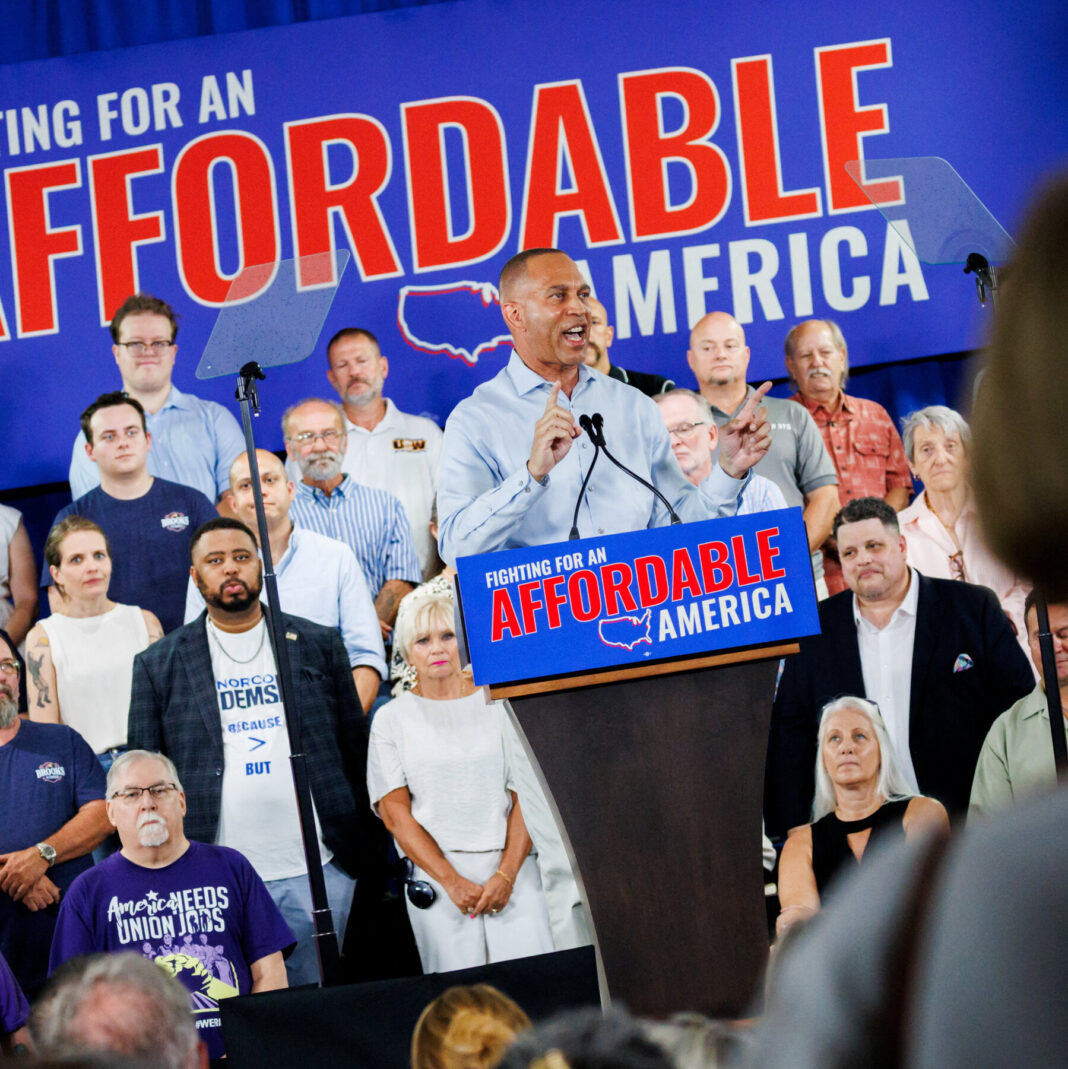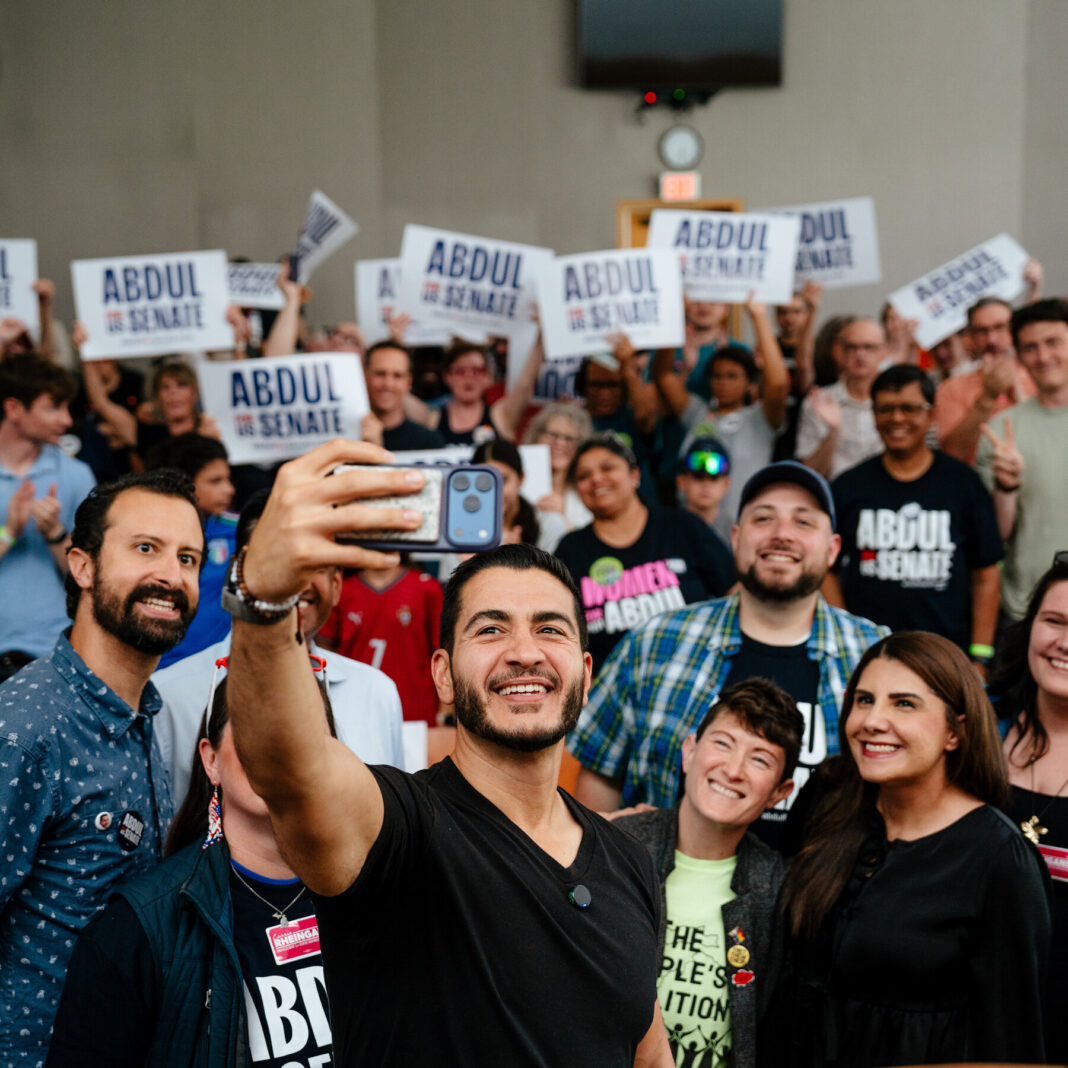
Michigan’s Aug. 4 primary has become a key battleground between the progressive and moderate wings of the Democratic Party. The race is also being viewed as an early indicator of dynamics likely to shape the 2028 presidential primary.
Abdul El-Sayed, a physician and former Detroit health department director, is seeking the Democratic nomination for an open U.S. Senate seat. His campaign is testing whether a progressive platform can succeed in a purple state like Michigan.
El-Sayed gained national attention during his 2018 gubernatorial run, where he ran on a platform of Medicare for All and tuition-free public college. He has returned with similar policy priorities, including a Green New Deal and criminal justice reform.
The primary race has drawn significant outside spending from national groups representing both factions. Progressive organizations have rallied behind El-Sayed, while moderate groups have backed his main opponent, a more centrist candidate.
Michigan’s electorate is diverse and politically complex, with union-heavy industrial regions, growing suburban populations, and rural conservative strongholds. El-Sayed’s campaign is focusing on turning out young voters and communities of color.
His strategy includes heavy digital outreach and grassroots organizing rather than relying on large donations. El-Sayed has also emphasized his experience as a public health official during the pandemic.
The outcome of this primary will offer insight into the appetite for progressive policies in a state that narrowly voted for both Donald Trump and Joe Biden. It may also shape the messaging and coalition-building strategies for future national races.
Political analysts are watching closely to see if El-Sayed can expand the Democratic base in Michigan or if his platform risks alienating swing voters. The result could influence the direction of the party heading into the next presidential cycle.