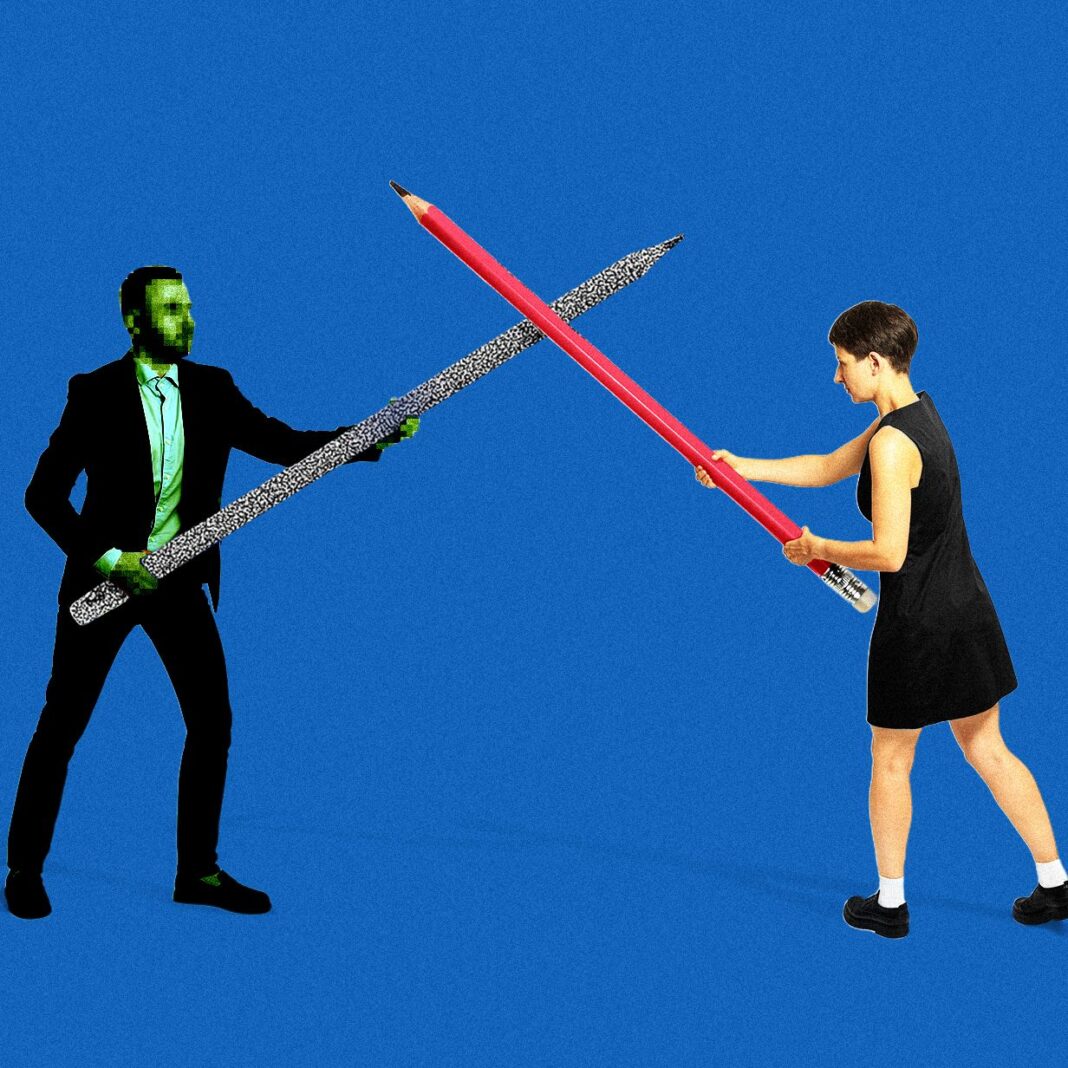
A growing number of writers are deliberately introducing typos and avoiding polished punctuation to differentiate their work from AI-generated text. Novelists, journalists, and LinkedIn influencers are leading this shift toward a more human literary style. The trend represents an emerging anti-AI cultural movement within the writing community.
Participants are abandoning the clean, formulaic patterns commonly associated with chatbot outputs. Em dashes, bullet points, and overly structured sentences are being replaced with more natural, imperfect language. First-person narratives and idiosyncratic phrasing have become key tools for signaling human authorship.
The strategy aims to create a visible contrast with AI-generated content. Writers argue that perfect grammar and uniform style now carry the risk of appearing robotic. By embracing minor errors and personal quirks, authors hope to retain their unique voice in a crowded digital landscape.
Some professionals have adjusted their writing habits consciously. Editing processes now include steps to remove overly polished elements. The goal is not carelessness but intentional authenticity.
Critics question whether the approach could undermine credibility in formal contexts. Supporters counter that natural imperfections build trust with readers. The success of this tactic may vary by audience and platform.
The trend has gained traction among power LinkedIn posters seeking to stand out. Fiction writers and journalists are also experimenting with these techniques. The movement reflects broader anxieties about AI’s impact on creative professions.
As detection tools improve, this stylistic rebellion may evolve. For now, the anti-AI literary counterculture continues to grow. Writers are prioritizing human connection over algorithmic approval.