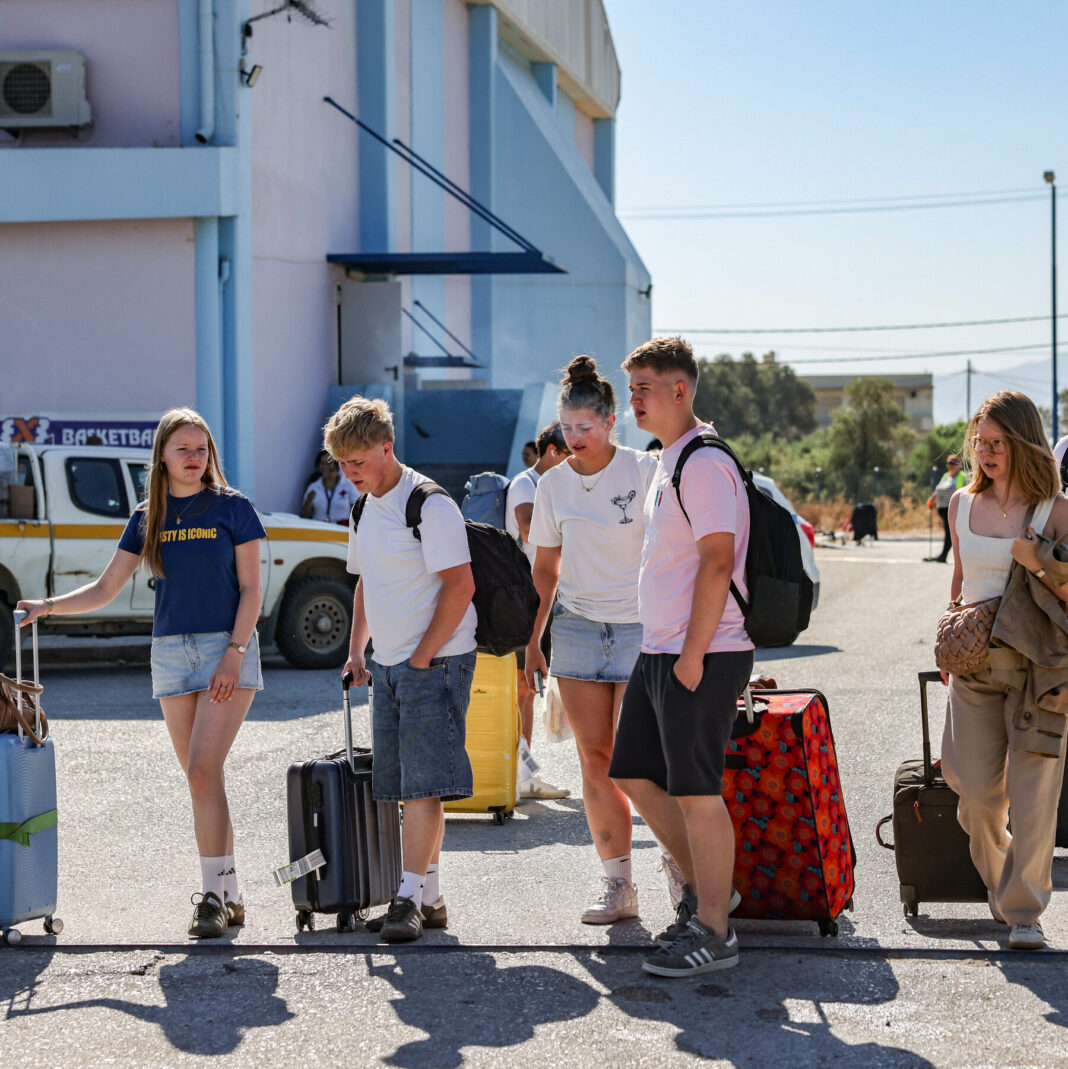
Travelers to Europe this summer have faced unprecedented disruptions from extreme heat and wildfires. Many had to cancel, reschedule, or completely overhaul their planned itineraries. Destinations across France, Spain, and other Mediterranean countries have been particularly affected.
The harsh conditions have forced tour operators and airlines to adjust schedules at short notice. Some vacationers found themselves trapped in transit hubs as flights were delayed or rerouted. Others arrived at booked accommodations only to find them inaccessible due to nearby fire zones.
Heat advisories have prompted local authorities to close popular tourist sites. Outdoor attractions, including historical landmarks and hiking trails, have been shuttered for safety reasons. This has left many visitors scrambling to find alternative indoor activities.
The financial impact of these disruptions has been significant. Travelers report losing deposits on non-refundable bookings. Some have faced unexpected costs for emergency lodging and last-minute transportation changes.
Travel insurance companies have seen a surge in claims related to weather events. However, policyholders have encountered varying levels of coverage for heat-related cancellations. Many standard policies do not account for temperature extremes, leaving some travelers without recourse.
Local businesses in affected regions are also feeling the strain. Hotels and restaurants that depend on summer tourism have experienced waves of cancellations. Yet some have adapted by offering flexible booking terms and cooling packages to attract visitors.
Government agencies are monitoring the situation closely as climate patterns shift. Officials in several countries have discussed implementing new safety protocols for summer tourism. These measures could include earlier closing times for outdoor venues and expanded emergency response teams.
The travel industry is now looking toward next season with caution. Industry analysts suggest that future summer trips may require more flexible planning. Travelers are being advised to book refundable options and to purchase comprehensive coverage that includes weather-related disruptions.
For many, the experience has changed how they approach European travel. Seasons once considered ideal for visiting are now seen as risky. Some travelers are shifting their plans to spring or autumn to avoid the peak heat months.
Authorities encourage affected visitors to document their experiences. This information helps officials understand the scope of the problem. It also aids in developing better support systems for future travelers.
The situation serves as a reminder of the changing nature of global tourism. As conditions evolve, so must the strategies used by both travelers and the industry that serves them.