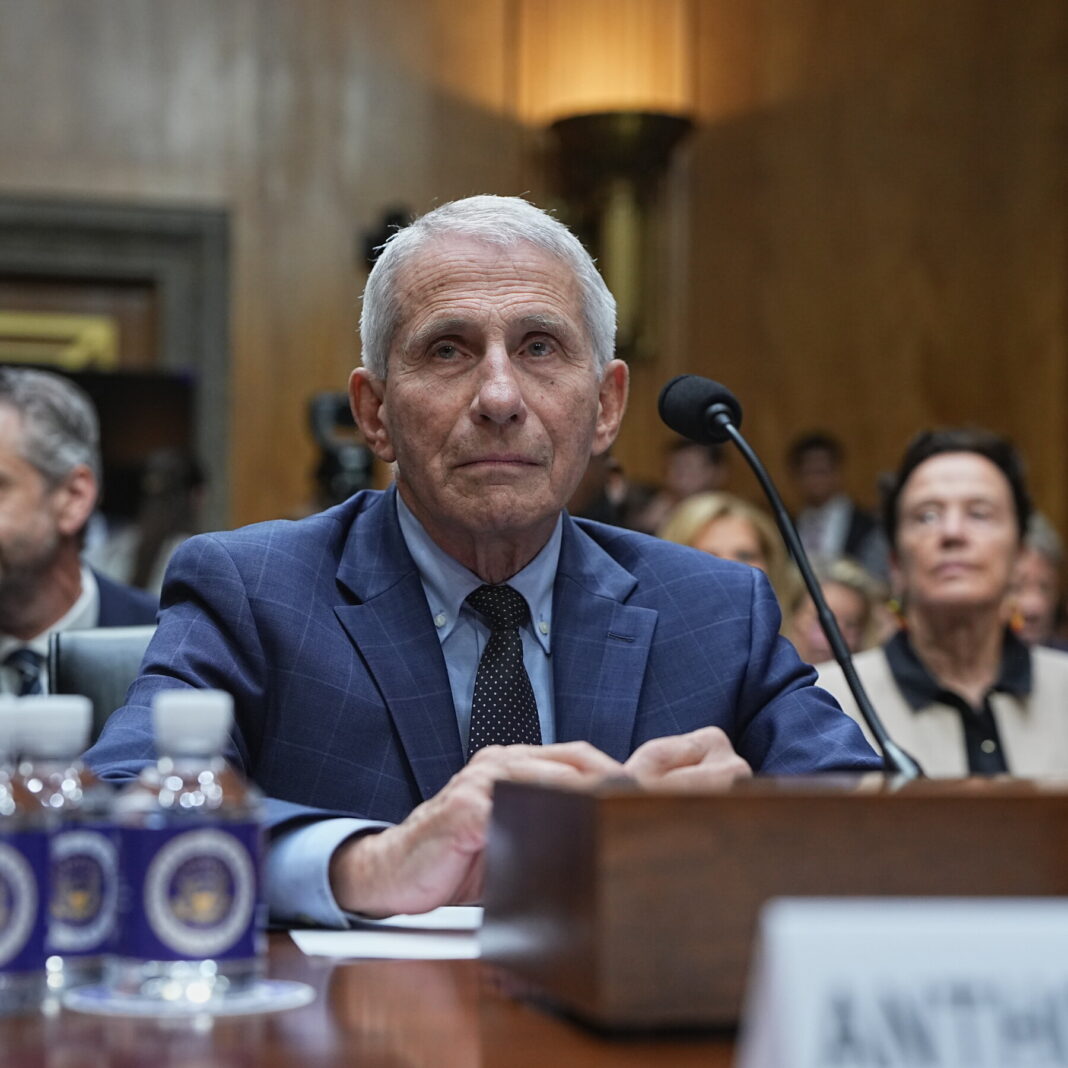
Dr. Anthony Fauci invoked his Fifth Amendment right against self-incrimination during a Senate hearing this week, declining to answer questions about the origins of Covid-19. The three-hour session left several allegations and policy questions unresolved, drawing sharp reactions from both parties.
Lawmakers pressed the former chief medical adviser on his role in early pandemic response and communications regarding the virus’s emergence. Fauci repeatedly cited his constitutional right to remain silent, a move that frustrated Republican committee members who sought detailed responses. Democrats on the panel largely defended his decision, noting the legal protections afforded to any witness.
The hearing focused heavily on disputed claims about funding for virus research and potential lab safety lapses. Fauci did not address whether he endorsed certain studies linked to the pandemic, nor did he clarify his past statements on mask guidance or social distancing measures. This silence left a factual vacuum that both sides used to reinforce their narratives.
Several senators referenced emails and documents previously released through Freedom of Information requests, suggesting inconsistencies in his public remarks. Fauci’s attorneys argued that the questioning risked criminal exposure due to ongoing investigations, a rationale that legal experts say is valid but uncommon for high-profile government officials. No formal charges have been filed against him.
The hearing also revisited his testimony from previous years, where he denied certain actions that later surfaced in archived communications. His refusal to answer this week prevents any new admissions or clarifications, allowing prior statements to stand without further explanation. This dynamic has amplified public skepticism on both ends of the political spectrum.
Public health experts watching the proceedings noted that the Fifth Amendment invocation does not imply guilt, but it does hinder transparency. They pointed out that the absence of direct answers on virus origins could deepen mistrust in federal health agencies. Some researchers argue that the debate over lab leaks versus natural transmission remains unresolved and requires independent investigation beyond political hearings.
The session ended without a clear timeline for further testimony or legal proceedings. Committee leaders indicated they may pursue additional steps, including possible subpoenas for written responses. Fauci’s team has not commented on whether he will cooperate in the future.
Meanwhile, the broader scientific community continues to study Covid origins, with some studies suggesting a natural animal spillover and others considering laboratory accident scenarios. The hearing added no new empirical data to this debate, instead highlighting the intersection of science, law, and politics. Follow-up inquiries are expected in the coming months as both parties seek to shape public understanding of the pandemic’s early days.