Color-treated hair requires more than just occasional touch-ups; the right cleansing routine can mean the difference between a vibrant hue and a dull, faded tone. Standard shampoos often contain harsh detergents that strip away the cuticle, pulling color molecules out with every wash. A dedicated system, however, uses gentler surfactants and protective ingredients to seal in pigment. Experts consistently note that the wash day routine is the single most important factor in maintaining salon-fresh color between appointments.
The market offers a wide range of formulas designed specifically for dyed strands, but not all are created equal. Some focus on sulfate-free cleansing, while others prioritize bond-building technology to repair damage caused by the coloring process. A product that works for a loose balayage might not be sufficient for a full, permanent color application. Understanding the specific pH level and ingredient list of your chosen shampoo and conditioner is critical for long-term hair health.
Many top-performing formulas include UV filters to shield hair from sun damage, which is a leading cause of color oxidation. Others incorporate botanical extracts like aloe vera and camellia oil to hydrate the hair shaft without weighing it down. The goal is to close the cuticle and lock in moisture, preventing the dry, brittle texture often associated with chemically treated hair. Consumers should look for labels that explicitly mention color preservation rather than general “moisturizing” claims.
Silicone-free options are gaining traction for those who prefer a lighter feel, but experts caution that some silicones are beneficial for sealing split ends. The key is finding a balance between cleansing power and gentle care that leaves the hair manageable. For those with highlights, purple or blue pigments can help neutralize brassy undertones, acting as a toner in the shower. However, these should be used sparingly to avoid over-toning and leaving hair looking dull or violet.
Consistency in application matters just as much as the product itself. Hot water opens the cuticle, so rinsing with lukewarm or cool water helps seal the barrier and lock in color. Additionally, massaging shampoo only into the scalp and letting the suds run through the lengths can prevent unnecessary friction on dry ends. Conditioners should be applied from mid-length to tips, where damage is typically most concentrated.
Dermatologists often recommend alternating between a deep-cleaning shampoo and a color-safe formula to prevent product buildup. While strong cleansers are necessary for removing styling residue, using them too frequently accelerates fading. A bi-weekly treatment mask can provide an extra boost of protein and hydration, reinforcing the hair’s internal structure. This layered approach ensures the color remains rich while the strands stay resilient.
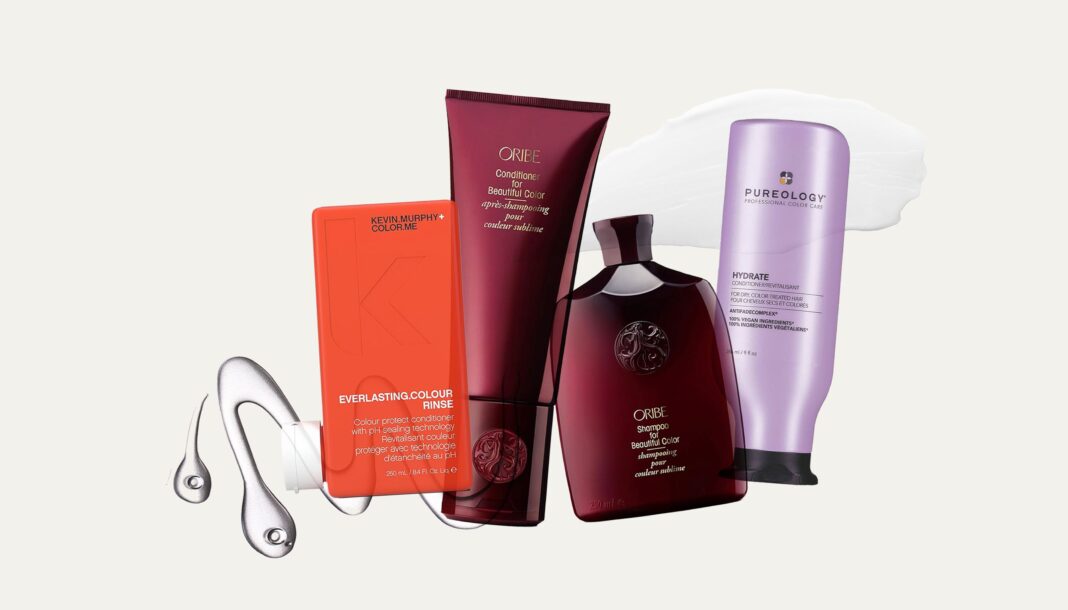
Below are some of the most effective shampoos and conditioners on the market, vetted for their ability to preserve luminosity and integrity. These options range from affordable drugstore finds to premium professional lines, catering to different hair types and budgets. Each pairing works in synergy to combat the environmental and mechanical stressors that dull dyed hair. The recommendations focus on proven ingredients and real-world performance rather than fleeting trends.