President Trump continues to focus heavily on the events of 2020, revisiting the coronavirus pandemic and his election loss. He is working to reshape the narrative around that period, despite the passage of time. His public remarks and private discussions frequently return to that year’s most contentious moments.
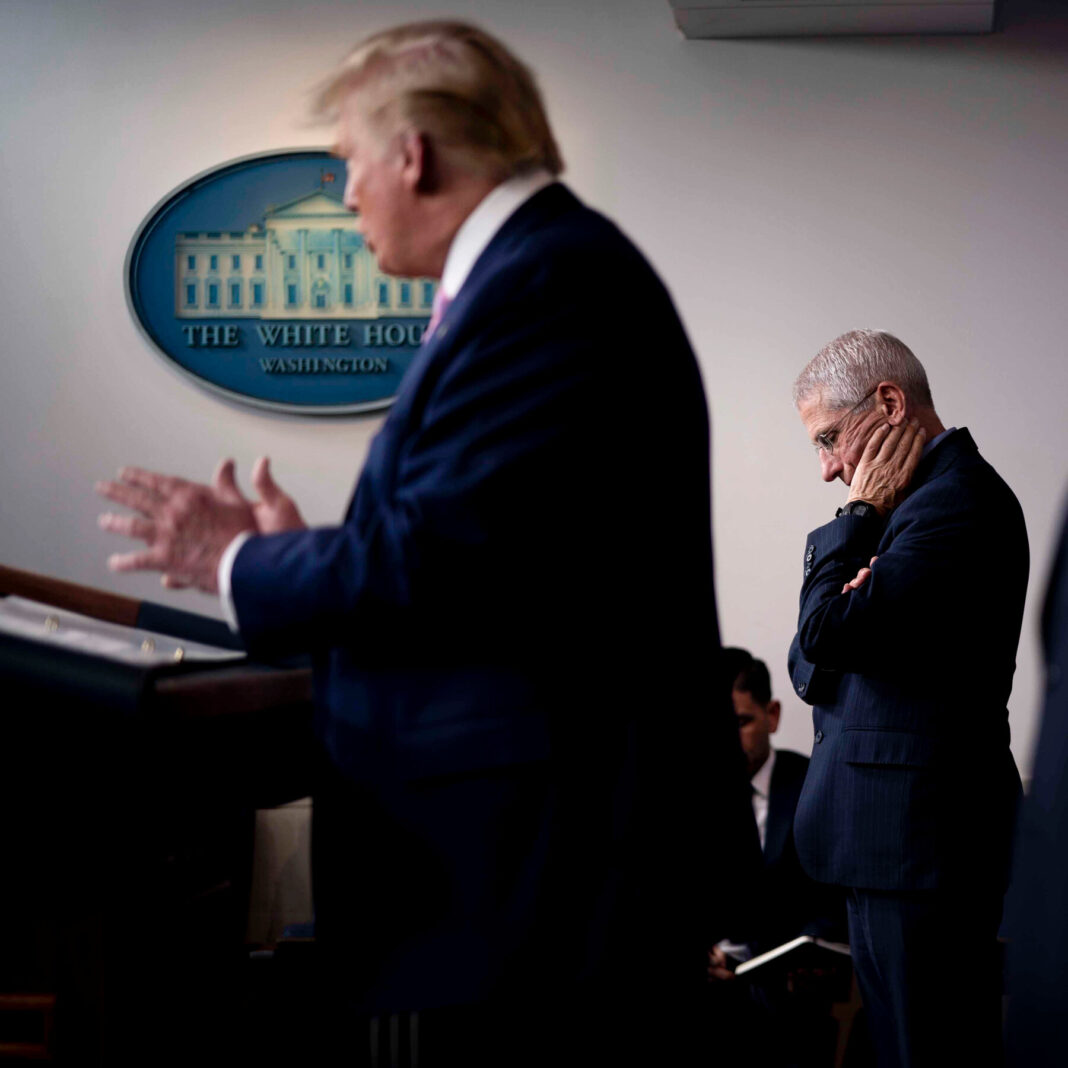
The former president has repeatedly criticized Dr. Anthony Fauci and other public health officials. He argues that their guidance during the pandemic was flawed and overly restrictive. This effort includes promoting alternative views on the origins of the virus and the effectiveness of lockdowns.
Trump also maintains that the 2020 election was rigged, a claim that has been widely disputed. He continues to push this assertion in speeches and interviews ahead of upcoming races. The focus on the past comes as many Republican voters express more interest in 2026 policy issues.
Recent polling suggests that a majority of voters are more concerned with current economic conditions and border security. Inflation and immigration have emerged as primary topics for the midterm cycle. Republican strategists note that these issues carry more weight with undecided voters than relitigating past events.
Top party leaders are urging the former president to pivot toward forward-looking messaging. They believe that a focus on future policy wins will yield better results in key swing districts. However, Trump has shown little inclination to abandon his 2020 grievances.
His legal challenges and ongoing investigations also keep that era in the headlines. Court proceedings and document releases continue to generate news cycles tied to that period. This dynamic complicates efforts to steer the national conversation toward more recent developments.
Political analysts suggest that Trump’s fixation may energize his loyal base. Yet it risks alienating moderate voters who are eager to move past the pandemic and its aftermath. The tension between these groups remains a central feature of the current political landscape.
Democrats see an opportunity to frame the election as a choice between past controversies and future solutions. They are highlighting their own legislative achievements on infrastructure and healthcare. Their campaign strategy directly contrasts a forward-looking agenda with Trump’s backward glance.
The upcoming primary season will test how much influence Trump retains within the party. Candidates in competitive races are carefully balancing their appeals to his supporters with broader voter concerns. Their success may ultimately determine whether the 2026 cycle is defined by the future or the past.