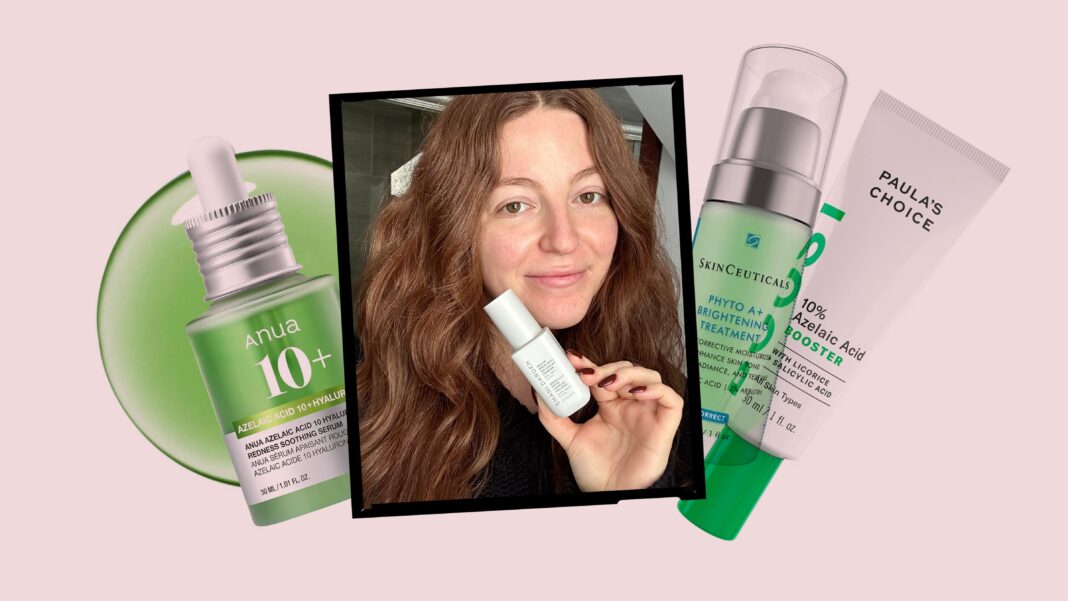
Azelaic acid has earned a reputation as a multi-tasking ingredient for skincare routines. Its primary strengths include addressing clogged pores, reducing inflammation, and fading dark spots. This makes it a practical option for those dealing with acne, redness, and uneven skin tone.
The ingredient works by targeting multiple pathways in the skin. It helps to clear pores, calm active breakouts, and interrupt the process that leads to post-acne marks. This versatility allows it to serve as an alternative or complement to other active ingredients like salicylic acid or retinoids.
Formulators have created a wide range of serums featuring azelaic acid. These products vary in concentration, texture, and supporting ingredients. Some focus on soothing sensitive skin, while others aim to boost overall radiance and clarity. This makes it possible to find a formula suited to individual skin needs.
Experts suggest introducing azelaic acid gradually to minimize potential irritation. Starting with a lower percentage and applying it a few times a week helps the skin build tolerance. It is generally safe for daily use once adapted, but a patch test is recommended before full application.
The ingredient pairs effectively with moisturizers and sunscreens. Its non-sensitizing nature allows it to be layered with hydrating products, enhancing comfort during use. Daily sun protection is still essential, as fading dark spots can make skin more susceptible to UV damage.
Many formulations include additional soothing agents to offset any initial stinging or itching. Common additions include niacinamide, allantoin, or botanical extracts. These supportive elements help maintain the skin barrier while the azelaic acid works on surface concerns.
For those with combination or oily skin, lightweight gel-based serums are often a good fit. Conversely, individuals with dry or sensitive skin may prefer creamier textures that offer more moisture. Checking the full ingredient list helps avoid potential irritants such as fragrance.
The visible results from azelaic acid typically appear after several weeks of consistent use. Users may notice a reduction in active breakouts and a softer appearance of existing marks. It is important to remain patient, as the ingredient works gradually rather than overnight.
Dermatologists frequently point out that azelaic acid is a reliable option for those who cannot tolerate stronger prescription treatments. Its gentle yet effective profile makes it a popular choice for managing rosacea-related redness as well. This adds to its appeal as a versatile staple in skincare routines.