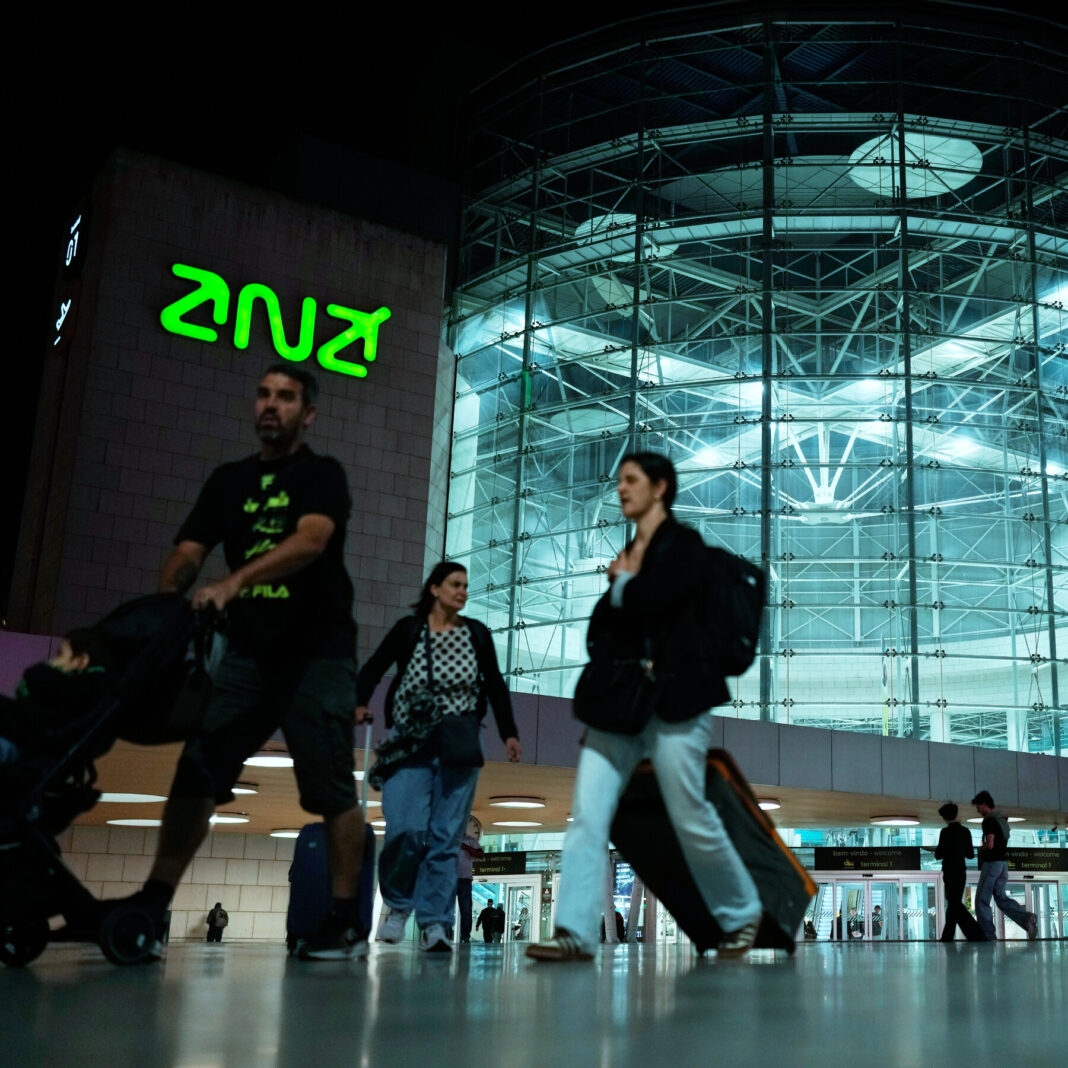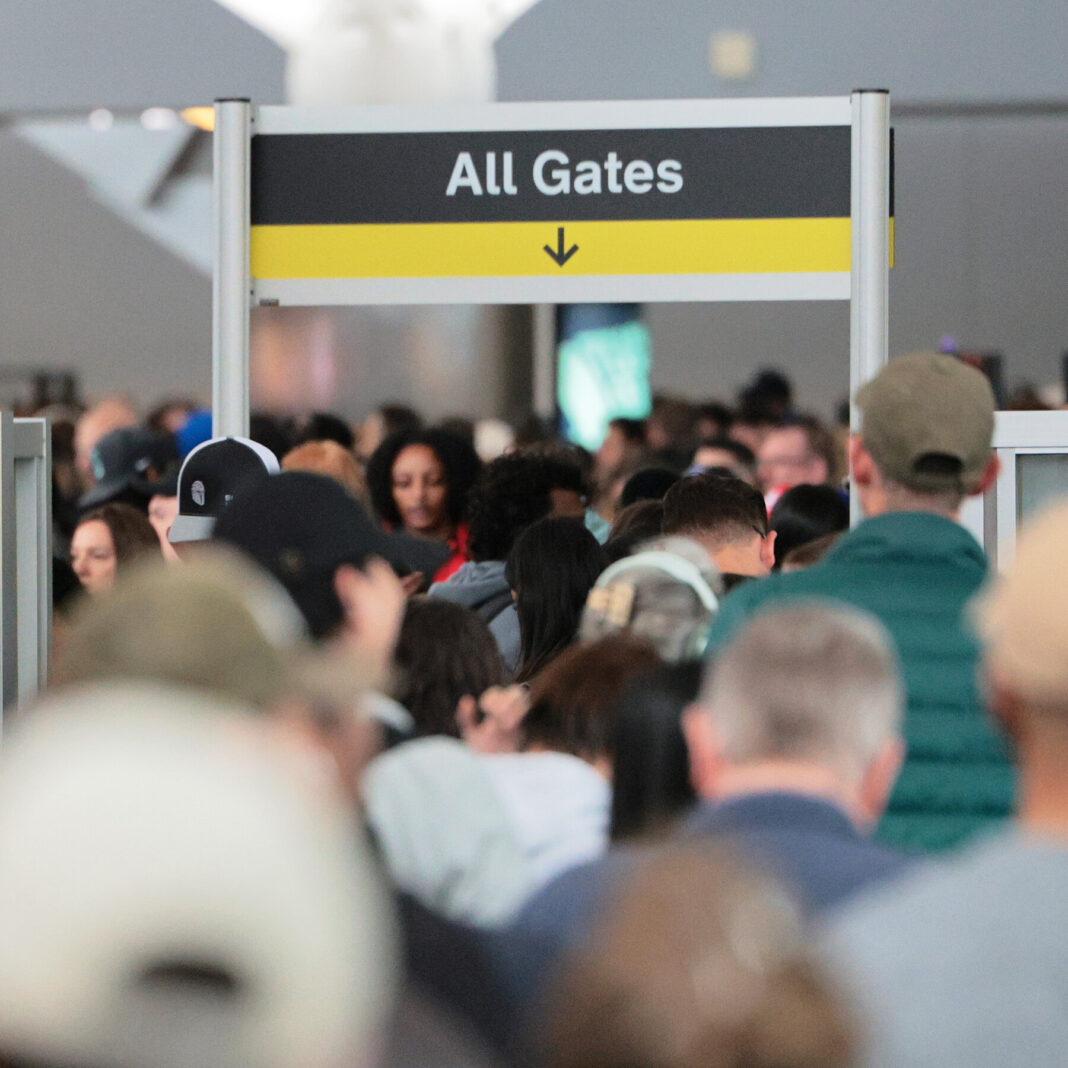
U.S. airlines and airports are testing new initiatives designed to speed up passenger and baggage screening. The goal is to reduce the long lines that have become common at security checkpoints.
The Transportation Security Administration is partnering with several major carriers on pilot programs. These programs focus on moving travelers through checkpoints with less friction and fewer delays.
One approach involves advanced imaging technology that allows passengers to keep items in their bags. This reduces the time spent removing laptops, liquids, and other electronics from carry-ons.
Another initiative is expanding the use of biometric screening. Face recognition and fingerprint scans could replace physical boarding passes and identification checks, cutting the time needed at each station.
Airlines are also experimenting with automated screening lanes. These lanes use conveyor belts and bins that automatically return to the front, allowing more passengers to be processed simultaneously.
Early results from these trials show significant reductions in wait times. Some airports have reported cutting average security line delays by nearly a third during peak hours.
The changes are not limited to security checkpoints. Baggage handling and drop-off systems are being modernized to better align with the new screening processes.
These efforts come as passenger volumes continue to rise. Industry data shows that air travel demand has surged past pre-pandemic levels, putting additional pressure on existing infrastructure.
While the initiatives are still in the testing phase, officials express confidence in their effectiveness. Broader adoption will depend on further evaluation and funding.
Passengers may still face variability in wait times depending on the airport. However, the new technologies signal a clear move toward more efficient operations in the near future.