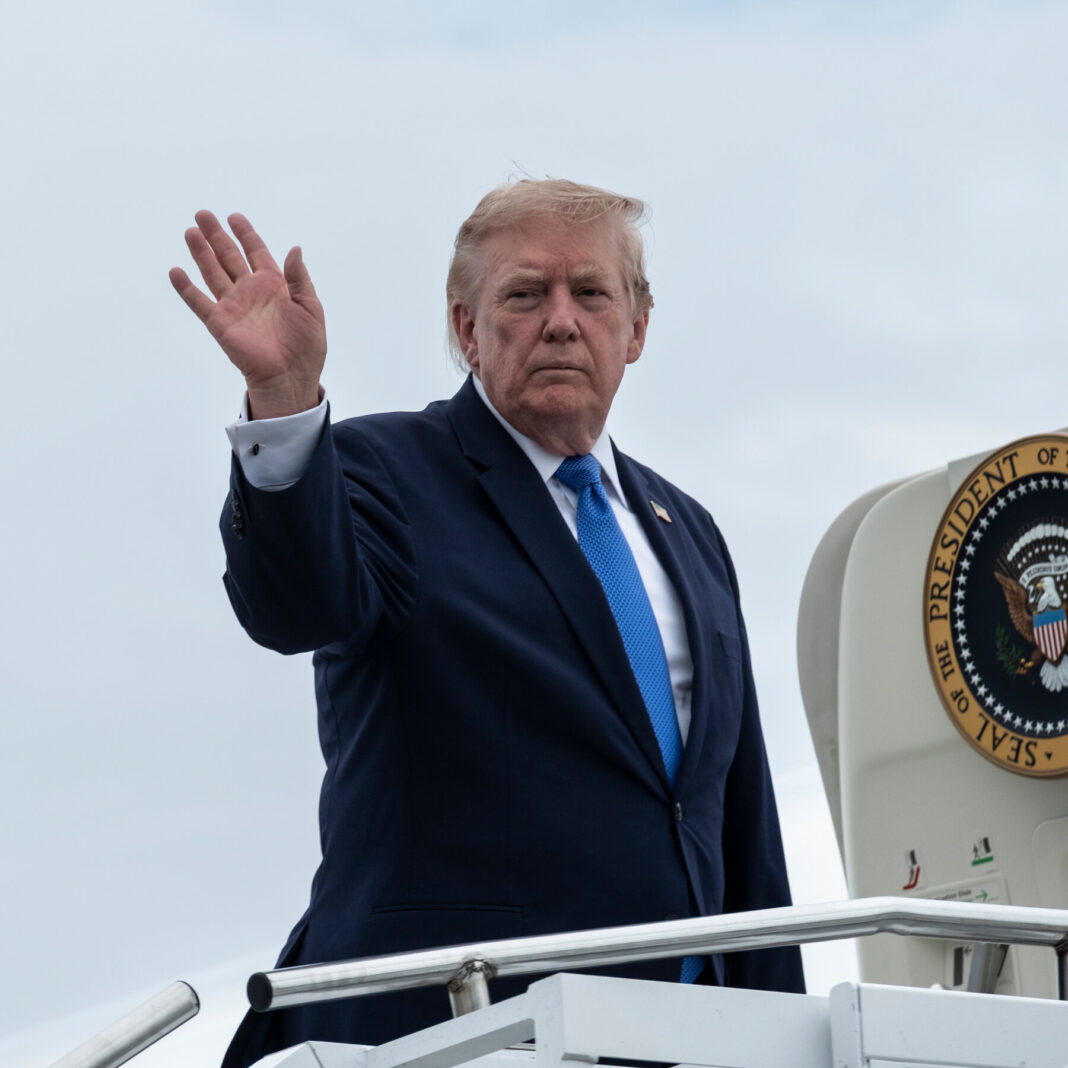
President Trump travels to the West Coast this week to promote his economic agenda, but the ongoing war in Iran is overshadowing the message. The conflict is driving up costs for American consumers, and recent polls indicate the already unpopular military engagement is losing further support.
The administration faces a growing challenge as it tries to balance foreign policy with domestic priorities. Rising fuel prices and supply chain disruptions are directly attributed to the hostilities in the region. These economic pressures are complicating the president’s narrative of a strong domestic recovery.
Public sentiment has shifted noticeably since the conflict began. Surveys show a steady decline in approval for the war effort, with a majority of respondents now favoring a diplomatic resolution. The White House has not yet publicly adjusted its strategy in response to these numbers.
The president’s scheduled speeches are expected to focus on job growth and wage increases. However, aides acknowledge that questions about Iran are likely to dominate press briefings and town hall discussions. The disconnect between the administration’s focus and public concerns is becoming a central issue.
Economic analysts point to specific sectors feeling the strain, including manufacturing and agriculture. Shipping costs have risen sharply, impacting small businesses that rely on imported materials. These groups are increasingly vocal in their calls for a de-escalation of the conflict.
Meanwhile, congressional opposition is growing on both sides of the aisle. Several lawmakers have introduced resolutions to limit the scope of military action, citing both fiscal and humanitarian concerns. The debate adds another layer of complexity to an already crowded legislative calendar.
The president’s advisors are reportedly weighing options to address the economic fallout. Proposals include tapping the Strategic Petroleum Reserve and offering targeted relief to affected industries. No formal announcements have been made, but internal discussions are said to be ongoing.
For the public, the immediate effects are tangible at gas stations and grocery stores. Everyday costs are rising, and consumers are making the connection to the overseas conflict. This direct impact is fueling the shift in public opinion that the polls are now capturing.
The trip to the West Coast is seen as a test of the administration’s ability to manage multiple crises at once. Whether the president can refocus the national conversation on his economic record remains uncertain. The shadow of the war, however, is unlikely to recede without a concrete change in policy.