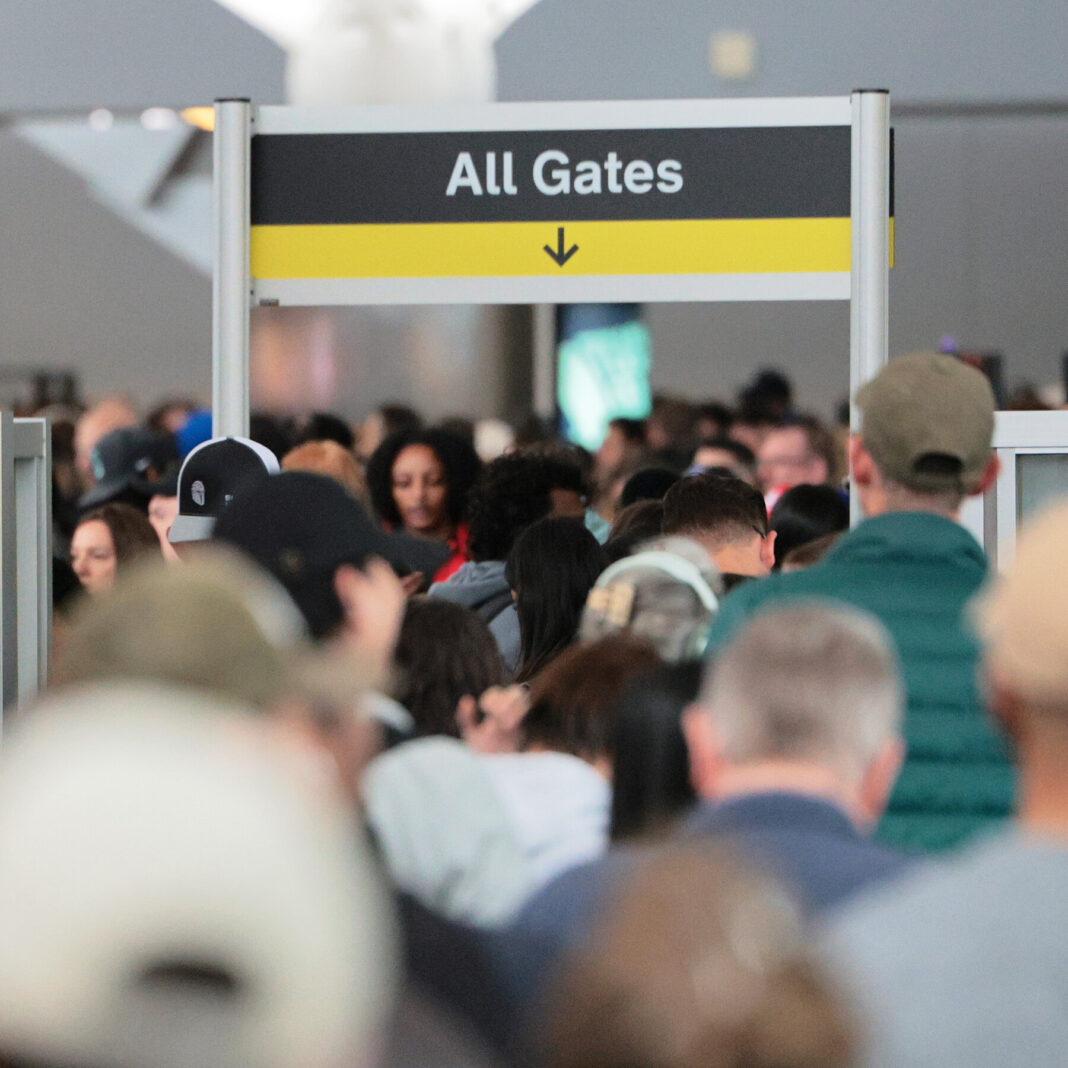
The European Union’s new biometric border system launched this week, triggering significant delays and passenger frustration at airports across the bloc. The Entry/Exit System (EES) is now mandatory for non-E.U. travelers, creating long queues at passport control in multiple member states.
The system requires non-citizens to register fingerprints and facial scans upon entry and exit. Travelers reported waits exceeding two hours at major hubs, including Paris, Amsterdam, and Frankfurt. Airport staff struggled to manage the new procedures, leading to crowded terminals and missed connecting flights.
EU officials acknowledged the rocky start but defended the technology. They stated the initial congestion is a normal part of the rollout and expect processing times to improve as staff gain familiarity. The system aims to modernize border checks and eliminate manual passport stamping.
Security experts support the system’s long-term goals, citing improved tracking of overstays and enhanced data sharing between member states. The biometric data is stored on a centralized database, allowing authorities to verify travelers quickly against security watchlists.
Passenger advocacy groups criticized the lack of preparation, calling the launch premature. They noted a shortage of trained personnel and insufficient kiosks at several airports. Some travelers faced technical glitches, including failed scans and system outages, which compounded the delays.
For casual visitors, the process now requires advance planning. Travelers are advised to arrive at airports at least three hours before departure. Airlines have also been asked to check documentation earlier at check-in to ease pressure at border points.
The European Commission promised regular updates and temporary staffing boosts to affected airports. It also suggested that some digital pre-registration features, planned for later phases, will reduce on-site processing time.
Despite the short-term chaos, officials remain confident the system will become smoother. They emphasized that security gains will outweigh the inconvenience. The EES is a step toward a fully digital border framework, with a visa waiver system expected to follow soon.
For now, patience is the key requirement for non-E.U. travelers passing through European airports. The situation may stabilize in coming weeks, but initial teething problems remain inevitable as the EU transitions to a new era of border control.